Home EV Charging Station Cost 2026: Calculate Installation Rebates in California
Key Takeaways
- Home charging installation costs vary based on electrical panel capacity and proximity to the garage.
- California offers substantial rebates and tax credits for residential charging infrastructure in 2026.
- Level 2 equipment provides significantly faster charging speeds compared to standard household outlets.
- Professional installation is required to ensure safety compliance and eligibility for local utility incentives.
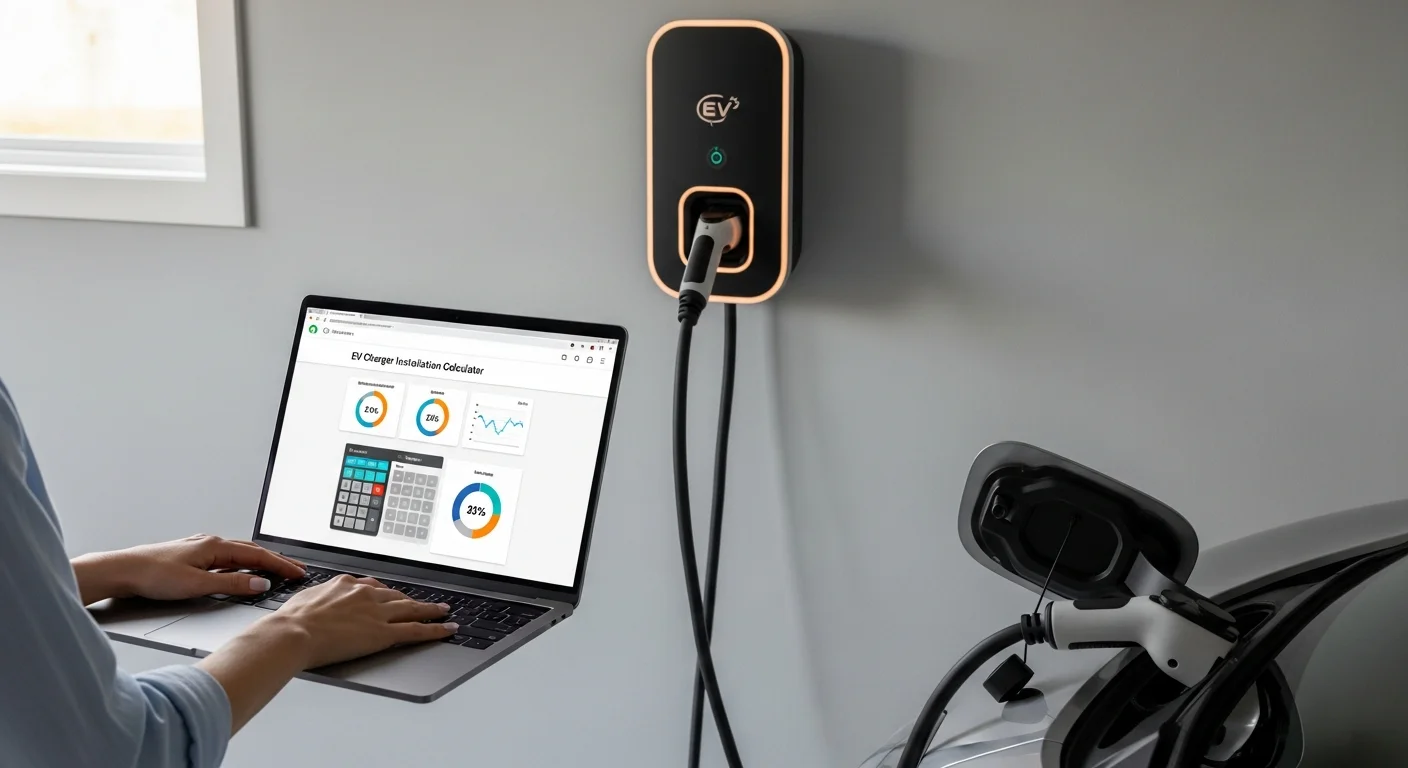
As we move through Winter 2026, the transition to electric mobility has reached an all-time high in Orange County. For many new owners, the first priority is setting up a reliable EV charger at home to ensure their vehicle is ready for the daily commute without relying on public infrastructure.
While the convenience of home charging is clear, the initial setup involves navigating equipment choices, electrical upgrades, and a complex web of local incentives. According to the U.S. Department of Energy, over 80% of charging happens at home, making this investment a critical part of vehicle ownership.
Estimate Your Installation Costs Now
Use the Calculator Tool →Understanding Home EV Charging Station Cost 2026
EV Charger Installation Calculator
Buy NowEquipment and Hardware Pricing
In the current 2026 market, high-quality Level 2 hardware typically ranges from $400 to $900. Factors influencing price include smart features like Wi-Fi connectivity, power sharing capabilities, and ruggedness for outdoor installations.
Labor and Electrical Upgrades
Professional labor represents a significant portion of the total expense. If your home requires a main panel upgrade to support the 40-50 amp load, costs can increase by $2,000 or more, depending on local labor rates.
Level 2 vs Level 1 Charging at Home
The Limitations of Standard Outlets
Level 1 charging uses a standard 120V outlet, providing roughly 3-5 miles of range per hour. While cost-effective, it is often insufficient for modern long-range batteries or drivers with high daily mileage.
The Performance of 240V Dedicated Lines
Upgrading to a dedicated 240V circuit allows for Level 2 charging, which can replenish 25-40 miles of range per hour. This is the preferred standard for 2026 trends in home infrastructure.
| Charging Level | Charging Speed | Installation Cost |
|---|---|---|
| Level 1 (120V) | 3-5 miles/hour | $0 - $100 |
| Level 2 (240V) | 25-40 miles/hour | $800 - $2,500+ |
Curious about your specific home requirements?
Get an Instant Quote →EV charger Installation Rebates California
Statewide Clean Vehicle Programs
California continues to lead the nation with aggressive incentives. Homeowners can often find grants through the California Air Resources Board which help offset the purchase of a new EV charger unit.
Local Utility Credits in Orange County
Utilities such as Southern California Edison (SCE) frequently offer rebates specifically for the installation of panel upgrades and smart charging equipment. These programs often require the use of licensed contractors.
Essential Installation Requirements for Your Home
Permitting and Local Codes
Most municipalities in California require an electrical permit for 240V installations. This ensures that the wiring meets safety standards and can handle the continuous current draw required by modern vehicles.
Hardwired vs. Plug-in Connections
A hardwired connection is often more durable and allows for higher amperage. According to National Electrical Code (NEC) standards, certain high-powered units must be hardwired to prevent outlet overheating.
Benefits of Home Charging and Long-term ROI
Increased Property Value
Homes equipped with modern charging infrastructure are increasingly attractive to buyers. As EVs become the dominant vehicle type, having a ready-to-use station is a major selling point.
Fuel Cost Savings
Charging at home during off-peak hours using Time-of-Use (TOU) rates can significantly reduce the "per gallon equivalent" cost of driving compared to commercial fast chargers.
How to Calculate Charging Costs Effectively
Using Our 2026 Estimation Tool
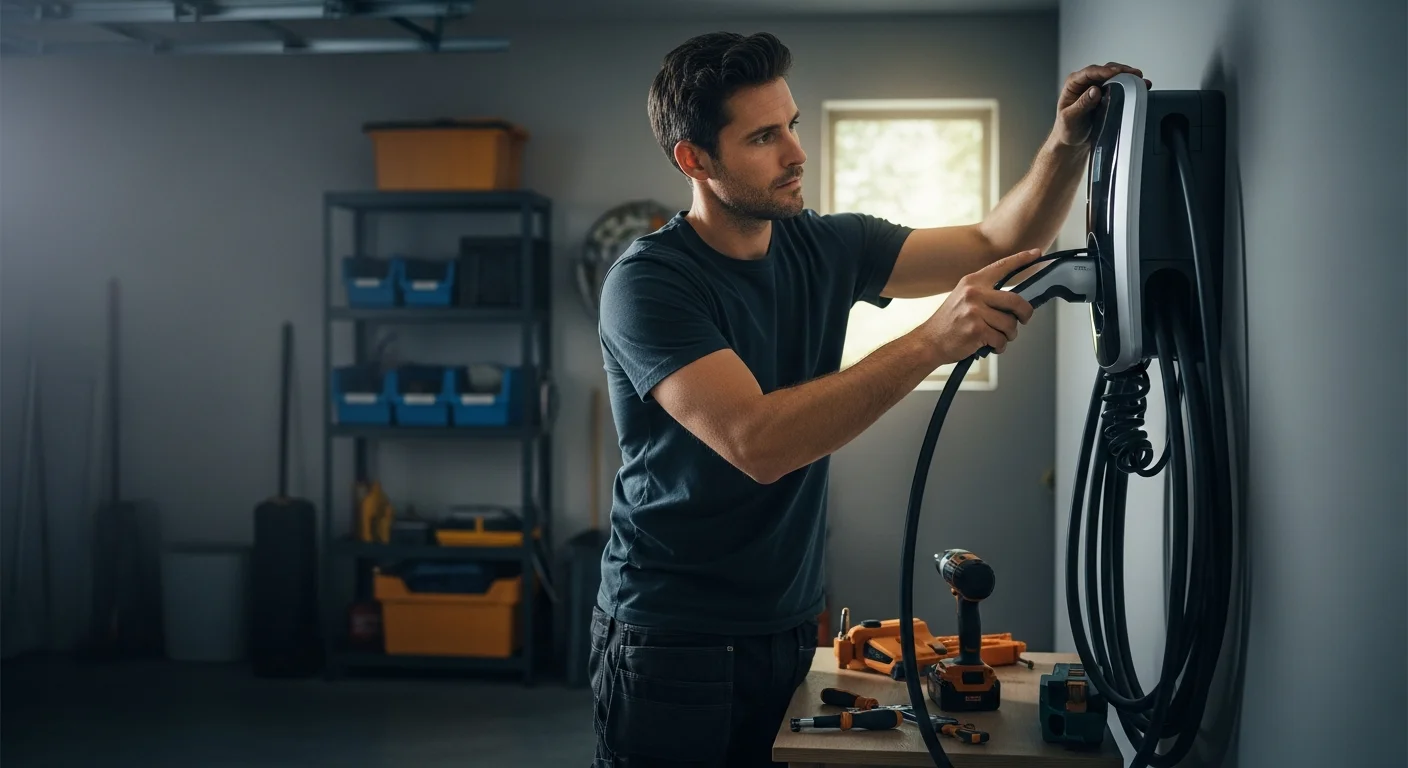
Our calculator factors in your specific zip code, utility provider, and vehicle battery size to give you an accurate picture of your monthly energy expenses. This helps in planning your household budget for the year ahead.
Factoring in Maintenance
While electric vehicle supply equipment (EVSE) is generally low-maintenance, it is wise to set aside a small annual fund for cable inspections and potential software updates for smart units.
Ready to maximize your energy savings?
Start Your Free Calculation →
Frequently Asked Questions
How much does it cost to install a level 2 station in 2026?
The average cost typically falls between $1,200 and $2,500. This includes the hardware, permit fees, and professional electrical labor for a standard garage setup.
Do I need a permit for my home charging setup?
Yes, most California cities require an electrical permit for any new 240V circuit installation. This ensures the work is inspected for safety and complies with current building codes.
Can I use a portable charger for daily use?
While portable chargers are convenient for travel, a dedicated wall-mounted unit is generally safer and more efficient for daily home use due to better heat dissipation and permanent mounting.
What are the best incentives for Orange County residents?
Residents can often access federal tax credits covering up to 30% of costs, plus local utility rebates from SCE or Anaheim Public Utilities that can reach several hundred dollars.
How long does the installation process take?
A standard installation usually takes 4-6 hours. However, obtaining the necessary permits and scheduling the final inspection can add 1-2 weeks to the total timeline.
In conclusion, investing in a high-quality EV charger is one of the most effective ways to enhance your electric vehicle ownership experience in 2026. By utilizing the latest rebates and professional installation services, you can minimize upfront costs while securing long-term reliability.
As technology continues to evolve throughout Winter 2026, staying informed about current infrastructure grants and smart energy features will ensure your home remains at the forefront of the green energy revolution. For personalized assistance, reach out to the team at Orange County Home Savings to explore your options.
About the Author

Written by William Corcoran, Orange County Home Savings Expert
William Corcoran has helped Orange County families save money on their homes for over 15 years. Specializing in property tax reduction and smart refinancing, he offers expert guidance you can trust. www.energybot.com www.energystar.gov
Related Articles

Ready to Find Your Savings?
Get a free personalized report showing all rebates and incentives your home qualifies for.
Get My Free Report