2026 Guide to Energy Efficient Entry Doors: Costs, Benefits, and Modern Design Trends
Key Takeaways
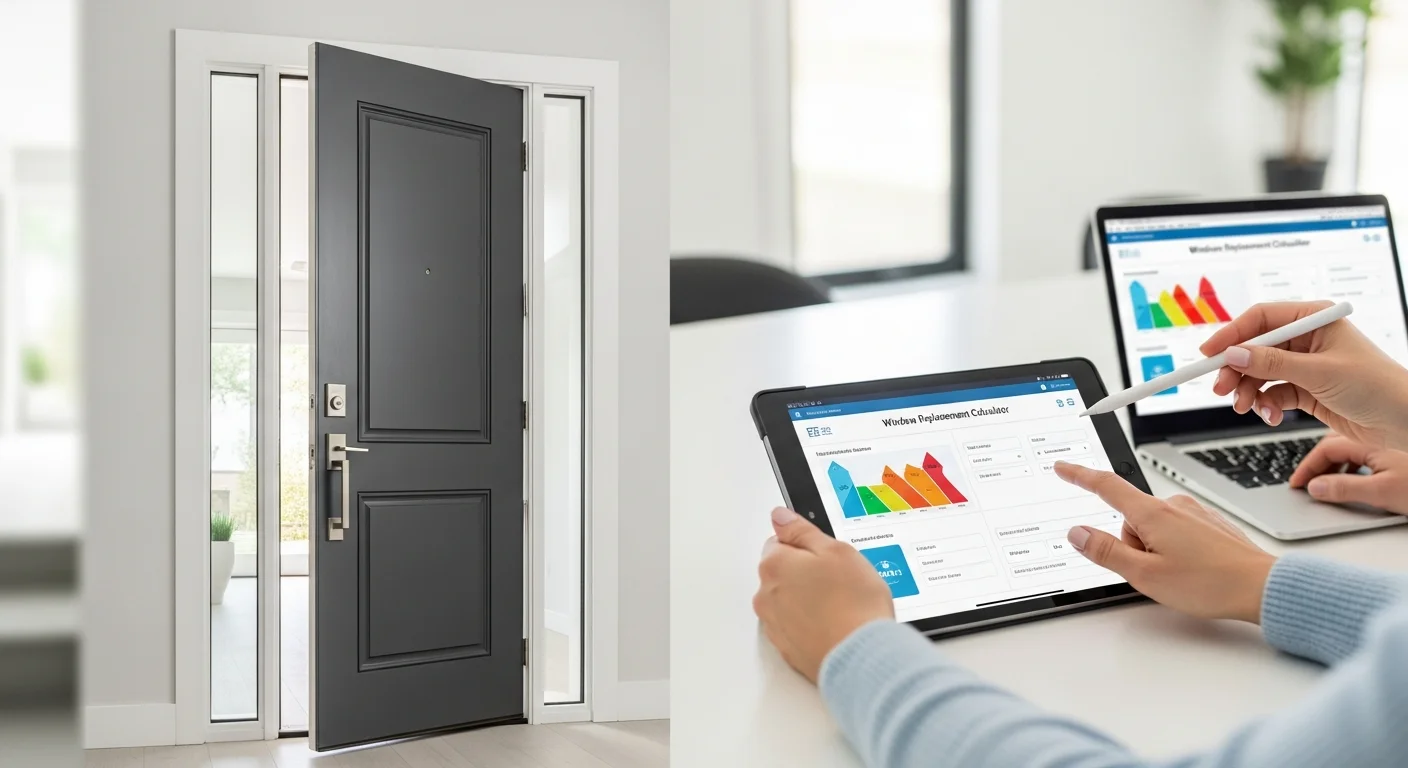
- Upgrading to an energy-efficient entry door can significantly reduce monthly utility costs during the Winter 2026 season.
- Homeowners may qualify for substantial federal tax credits under the latest 2026 energy incentive programs.
- Fiberglass remains the top choice for durability and thermal insulation compared to traditional wood or steel.
- Modern security features like multi-point locking systems are now standard for high-end replacements.
As we move through the Winter 2026 season, homeowners in Orange County and beyond are increasingly looking for ways to mitigate rising energy costs. One of the most impactful upgrades you can make to your home's thermal envelope is installing a replacement front door that meets modern efficiency standards. Not only does this improve your home's appearance, but it also serves as a critical barrier against the elements.
Selecting the right entry system involves balancing aesthetics with performance. With new technologies in core insulation and weatherstripping, the options available in 2026 are more effective than ever. This guide will walk you through everything you need to know about maximizing your investment and your comfort.
Want to see how much you can save with energy-efficient upgrades?
Calculate Your Potential Credits Now →Understanding Front Door Replacement Cost and Value
Window Replacement Calculator
Buy NowInitial Investment vs. Long-Term Value
The cost of a new entry system varies based on material, glass inserts, and hardware. While a basic steel door might start at lower price points, investing in high-quality fiberglass often yields a better return on investment through durability and low maintenance.
Labor and Installation Considerations
Professional installation is vital to ensure the frame is square and the seals are airtight. Poor installation can lead to drafts, negating any energy-efficient benefits the door itself provides.
How to Choose a Replacement Front Door for Your Home
Matching Your Home's Architecture
Whether your home is a mid-century modern or a classic craftsman, the entry door should complement the existing lines. Look for customizable options that allow you to choose finishes and glass patterns that reflect your personal style.
Climate-Specific Material Selection
In areas with high humidity or extreme temperature swings, materials that resist warping are essential. According to the U.S. Department of Energy, choosing the right material based on your local climate can extend the lifespan of your entry system by decades.
Energy Efficient Entry Doors 2026: Tax Credits and Savings
Navigating Energy Star 2026 Requirements
To qualify for federal tax credits, your replacement front door must meet specific U-factor and Solar Heat Gain Coefficient (SHGC) ratings. As detailed by Energy Star, these ratings ensure the product effectively keeps heat in during winter and out during summer.
Federal and State Incentives
Many homeowners are unaware that they can recoup a portion of their installation costs through the Energy Efficient Home Improvement Credit. It is worth consulting local Orange County experts to see which state-specific rebates might also apply to your project.
Ready to maximize your 2026 tax returns?
Calculate Your Window & Door Savings →Fiberglass vs Steel Entry Doors: Which is Better?
The Case for Fiberglass
Fiberglass doors offer the look of real wood without the risk of rot or swelling. They feature a high-density foam core that provides excellent insulation, making them the gold standard for energy efficiency in 2026.
The Strength of Steel
Steel doors remain a popular choice for homeowners prioritizing security and budget. While they are incredibly strong, they generally have a shorter lifespan than fiberglass if exposed to salt air or heavy moisture.
| Material Type | Energy Efficiency | Maintenance Need |
|---|---|---|
| Fiberglass | Excellent (Highest R-Value) | Very Low |
| Steel | Good (Insulated Core) | Moderate |
| Wood | Fair | High |
Modern Front Door Design Trends 2026
Bold Color Palettes
The Winter 2026 season is seeing a shift toward deep, saturated colors like charcoal, navy, and forest green. These shades provide a sophisticated focal point for the home's exterior.
Oversized Sidelites and Transoms
Natural light is a priority for modern homeowners. By incorporating larger glass elements with low-E coatings, you can brighten your entryway without sacrificing thermal performance.
Security Features Every Homeowner Needs
Multi-Point Locking Systems
Unlike traditional deadbolts, multi-point systems lock at the top, middle, and bottom of the frame. This makes the door significantly harder to breach and provides a tighter seal against air leaks.
Smart Integration
Modern replacements are now designed to accommodate biometric scanners and smart locks. According to research from the National Fenestration Rating Council, ensuring these tech additions do not compromise the door's seal is key for energy conservation.
Frequently Asked Questions
How much does a replacement front door cost in 2026?
On average, a professional installation for a high-quality door ranges from $2,500 to $6,000. Custom designs or premium materials like mahogany-look fiberglass can increase the investment further.
Are there federal tax credits for new doors in 2026?
Yes, under the current energy efficiency guidelines, homeowners can claim a credit for 30% of the product cost, up to $250 per door (maximum $500 total). The door must be Energy Star certified to qualify.
Is fiberglass better than wood for front doors?
For most homeowners, fiberglass is superior because it offers better insulation and requires virtually no maintenance. It provides the aesthetic appeal of wood without the susceptibility to weather-related damage.
How do I know if I need a new front door?
Common signs include visible light around the edges, feeling drafts, difficulty locking the door, or physical damage like warping and rot. If your door is over 20 years old, it likely lacks modern energy-efficient features.
Will a new door really lower my energy bills?
Absolutely. A well-insulated entry system prevents the loss of conditioned air. When combined with energy-efficient windows, a new entry door is a cornerstone of a low-energy home.
Conclusion
Deciding on a replacement front door is one of the most rewarding home improvement projects for the 2026 year. By prioritizing energy efficiency and choosing materials like high-grade fiberglass, you protect your home from the elements while significantly boosting its market value. The combination of modern security features and tax incentives makes this an ideal time for an upgrade.
Remember to verify that your chosen model meets the latest Energy Star criteria to ensure you receive the maximum financial benefits. With professional installation and a focus on quality, your new entry door will provide safety, beauty, and savings for many years to come.
Stop guessing about your home energy savings!
Try Our Free Efficiency Calculator →About the Author

Written by William Corcoran, Orange County Home Savings Expert
William Corcoran has helped Orange County families save money on their homes for over 15 years. Specializing in property tax reduction and smart refinancing, he offers expert guidance you can trust. www.energybot.com www.energystar.gov
Related Articles

Ready to Find Your Savings?
Get a free personalized report showing all rebates and incentives your home qualifies for.
Get My Free Report