How to Lower Pool Utility Bills: Energy Efficient Pool Pumps and Heating Cost Savings for 2026
Key Takeaways
- Variable speed pumps can reduce energy consumption by up to 80 percent compared to single speed models
- Heating costs are the largest variable expense for pool owners during the Winter 2026 season
- Using a digital calculator helps visualize the five year return on investment for equipment upgrades
- Automated scheduling and proper filtration timing prevents unnecessary electricity waste during peak hours
As we navigate the Winter 2026 season, homeowners in Orange County and beyond are facing rising energy costs that can make owning a backyard oasis feel like a financial burden. Effective pool maintenance is no longer just about clear water; it is about optimizing every kilowatt-hour used by your filtration and heating systems. Modern technology has provided us with unprecedented ways to monitor and reduce these expenses without sacrificing comfort.
Understanding the intersection of equipment performance and utility rates is the first step toward a more sustainable home. According to the U.S. Department of Energy, pool pumps are often the second largest energy consumers in a household, trailing only the HVAC system. By adopting a proactive approach to efficiency, you can reclaim hundreds of dollars annually.
Want to see exactly how much you can save this year?
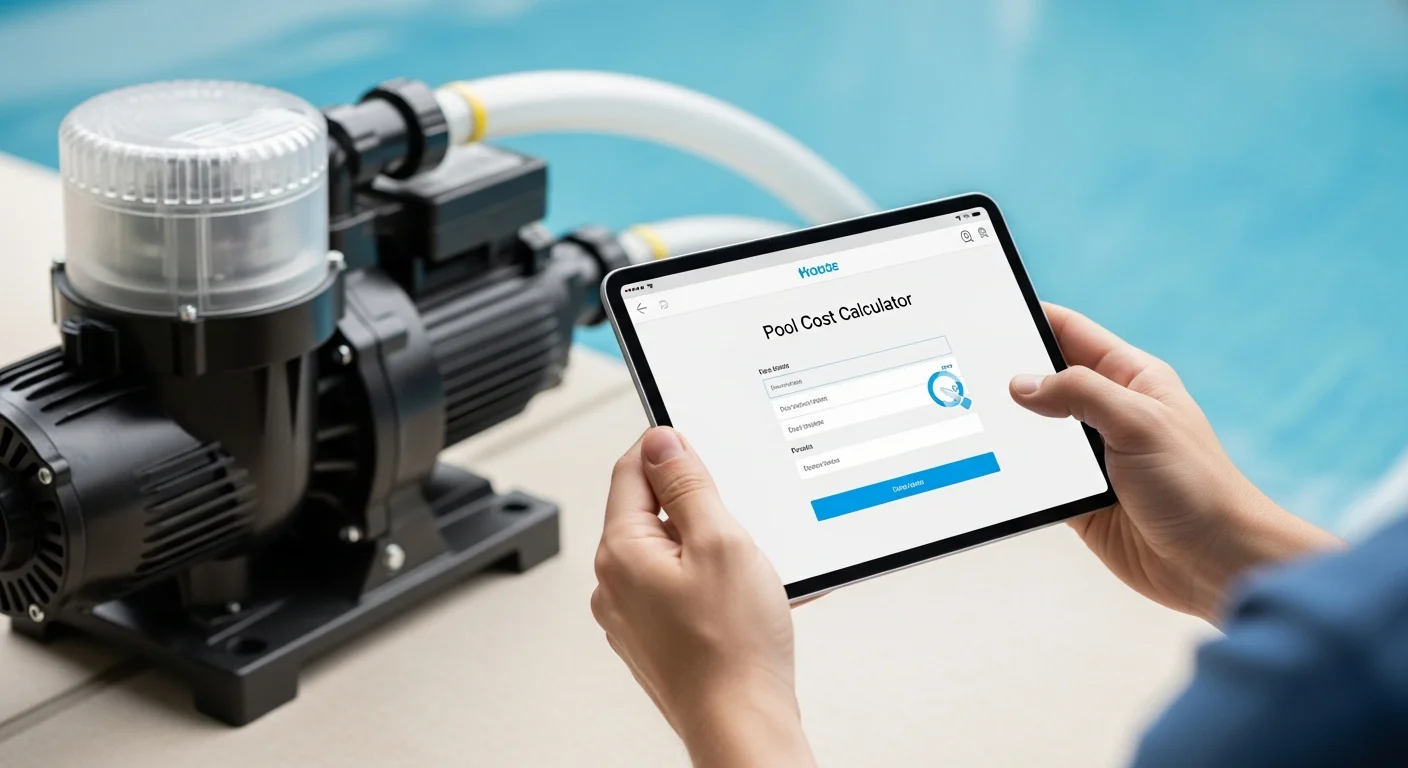
Access the Pool Cost Calculator →The Evolution of Energy Efficient Pool Pumps in 2026
Pool Cost Calculator
Buy NowNew Standards in 2026 Motor Technology
In 2026, the industry has fully embraced permanent magnet motors, which operate much more quietly and efficiently than the induction motors of the past. These advancements allow for precise control over flow rates, ensuring you only use the power necessary for the specific task at hand, whether it is basic filtration or high-flow vacuuming.
The Impact of Smart Integration
Today's energy efficient pool pumps are equipped with IoT capabilities that allow them to communicate with local weather stations and utility grids. This ensures the pump runs during the lowest-cost periods and adjusts its cycle based on real-time environmental factors.
Strategic Pool Maintenance for Maximum Utility Savings
Filtration Cycles and Water Clarity
Proper pool maintenance requires a delicate balance between pump run time and chemical distribution. Over-filtering is a common mistake that leads to inflated electricity bills without providing additional benefit to water quality.
Debris Management and System Pressure
Keeping skimmer baskets and filters clean is essential for maintaining low hydraulic pressure. According to Wikipedia's entry on pool sanitation, restricted flow causes the pump to work harder, consuming more energy while delivering less filtered water.
How to Lower Pool Utility Bills with Variable Speed Technology
Understanding Affinity Laws
The secret behind variable speed pool pump benefits lies in the Affinity Laws of physics. When you reduce the speed of a pump by half, the power consumption drops to one-eighth of its original level, creating exponential savings. Regular pool maintenance helps ensure these settings remain optimized for your specific plumbing layout.
Calculate your specific savings with our interactive tool.
Open Savings Calculator →Optimizing Flow for Auxiliary Equipment
If your pool features waterfalls or integrated spas, a variable speed pump can be programmed to run at high speeds only when those features are active. This surgical approach to power usage is the most effective way to how to lower pool utility bills effectively in a modern home.
Pool Heating Cost Savings: Solar vs. Gas in Winter 2026
Maximizing Thermal Retention
Heating a pool in the winter requires more than just a powerful heater; it requires heat retention. Research from the EPA Energy Star program suggests that using a pool cover can reduce heat loss by up to 70%, which is vital for saving money on pool heating.
Hybrid Heating Solutions
The trend for 2026 is hybrid heating, combining high-efficiency heat pumps with solar thermal arrays. This allows the heat pump to do the heavy lifting during cold nights while the solar panels provide "free" maintenance heat during the sunny winter days in Orange County.
| Equipment Type | Est. Annual Savings | Main Benefit |
|---|---|---|
| Variable Speed Pump | $450 - $900 | Dramatic electricity reduction |
| High-Efficiency Heat Pump | $300 - $600 | Consistent temp at lower cost |
| Solar Cover Usage | $200 - $400 | Reduces evaporation and heat loss |
Using a Pool Cost Calculator to Forecast Long-term ROI
Customizing the Data for Your Home
No two pools are identical. Our pool cost calculator features allow you to input your specific pool volume, local utility rates, and current equipment age. This creates a hyper-personalized roadmap for your efficiency journey and can simplify your pool maintenance planning.
Identifying the Break-Even Point
The most important number for any homeowner is the break-even point. Most high-efficiency upgrades pay for themselves within 18 to 24 months, after which the savings go directly back into your pocket. Using data-driven tools ensures you make investment decisions based on facts rather than marketing claims.
Ready to lower your energy footprint this winter?
Start Your Free Efficiency Audit →Frequently Asked Questions
How much can I save by switching to a variable speed pump?
Most homeowners save between $500 and $1,200 per year depending on their pool size and local electricity rates. The exact savings are best calculated using a specific tool that accounts for your home's unique variables.
What is the best pool pump for energy savings in 2026?
The latest models featuring brushless DC motors and onboard diagnostic scheduling are currently leading the market. Brands like Hayward and Pentair offer 2026 models that exceed federal efficiency standards.
How do I reduce my pool heating costs in winter?
The most effective methods include using a solar cover at night and installing a high-efficiency electric heat pump. These steps prevent the heat you've paid for from escaping into the cold night air.
Does running a pump longer at a lower speed save more energy?
Yes, due to hydraulic efficiency. Moving water slowly creates less friction and resistance, allowing you to filter the same volume of water for a fraction of the power required at high speeds.
Are there rebates available for pool equipment upgrades?
Many utility companies in California and beyond offer significant rebates for Energy Star certified pool equipment. Check with your local provider or use our calculator to see available local incentives.
Conclusion
Achieving a cost-effective backyard lifestyle requires a blend of modern technology and disciplined pool maintenance. By understanding how to leverage the latest equipment and monitoring tools, you can enjoy a heated pool throughout the Winter 2026 season without the anxiety of astronomical utility bills.
Investing in efficiency today is the only way to safeguard your home against future energy price volatility. Whether you are replacing an aging pump or simply optimizing your current schedule, the path to savings starts with data. Use the tools available to you to make informed decisions that benefit both your wallet and the environment.
About the Author

Written by William Corcoran, Orange County Home Savings Expert
William Corcoran has helped Orange County families save money on their homes for over 15 years. Specializing in property tax reduction and smart refinancing, he offers expert guidance you can trust. www.energybot.com www.energystar.gov
Related Articles

Ready to Find Your Savings?
Get a free personalized report showing all rebates and incentives your home qualifies for.
Get My Free Report