Energy Efficient Pool Heating: How to Reduce Your Electricity Bill in 2026
Key Takeaways
- Switching to high-efficiency equipment can reduce operational costs by up to seventy percent.
- Smart automation in 2026 allows for precise temperature control and scheduled heating cycles.
- Utilizing a specialized calculator helps homeowners identify specific annual savings opportunities.
- Winter 2026 trends favor electric solutions over traditional gas alternatives for long-term sustainability.
As we move into the Winter 2026 season, homeowners in Orange County and beyond are looking for ways to extend their swimming season without breaking the bank. With energy prices fluctuating, the decision to install a pool heat pump has become a cornerstone of modern backyard management. Understanding the intersection of technology and utility costs is the first step toward a more sustainable and affordable home experience.
Transitioning to eco-friendly pool heating solutions is no longer just about environmental stewardship; it is a financial strategy. By focusing on high-efficiency components, you can significantly reduce pool electricity bills while maintaining the perfect water temperature year-round. This guide explores the latest advancements and tools available to help you make an informed decision for your home.
Want to see how much you could save this month?
Calculate Your Pool Savings Now →Analyzing Pool Heating Cost 2026 Trends
Pool Cost Calculator
Buy NowThe Shift Toward Electrification
In 2026, the trend toward full-home electrification has reached the backyard. According to the U.S. Department of Energy pool heating guide, electric systems offer a higher Coefficient of Performance (COP) compared to fossil fuel-based heaters. This shift is driven by both local regulations and the increasing availability of solar-integrated power systems.
Rising Utility Costs and Mitigation
Projected utility rates for the current year suggest that traditional gas heating may become increasingly expensive. Homeowners are turning to energy efficient pool heating to hedge against these rising costs. By investing in variable-speed technology and better insulation, the average household can maintain a comfortable pool environment for a fraction of previous years' costs.
The Debate: Pool Heat Pump vs Gas Heater
Operational Efficiency Comparison
The primary difference between a pool heat pump and a gas heater lies in how they generate warmth. While gas heaters create heat through combustion, heat pumps extract ambient heat from the air. This makes the electric option significantly more efficient in climates where the air temperature stays above 45-50 degrees Fahrenheit.
Long-Term Investment Value
While the initial pool heat pump installation cost may be higher than a gas unit, the monthly savings quickly offset the difference. Data from EPA Energy Star pool research indicates that most users see a return on investment within 2 to 4 years through reduced utility expenditures.
| Heating Method | Monthly Cost Estimate | Efficiency (COP) |
|---|---|---|
| Electric Heat Pump | $50 - $150 | 5.0 - 6.5 |
| Natural Gas | $300 - $600 | 0.8 - 0.95 |
Ready to upgrade your pool equipment for 2026?
Explore Energy-Saving Solutions →Top Benefits of Electric Pool Heaters
Environmentally Friendly Performance
Because these systems use electricity to move heat rather than create it, they produce zero onsite emissions. This makes them the best way to heat a pool in winter for those concerned about their carbon footprint. According to Wikipedia's entry on heat pump technology, the lack of combustion significantly improves localized air quality.
Consistent Water Temperatures
Modern units in 2026 feature advanced thermostatic controls that prevent the "rollercoaster" temperature swings common with older heaters. This stability is one of the primary benefits of electric pool heaters, ensuring your pool is always ready for a swim.
Smart Pool Technology 2026: Automation and Efficiency
AI-Driven Heating Schedules
The smart pool technology 2026 collection includes systems that monitor weather patterns in real-time. These devices can preemptively heat your pool during off-peak electricity hours or slow down heating when a cold front is predicted, maximizing every dollar spent.
Remote Monitoring and Maintenance
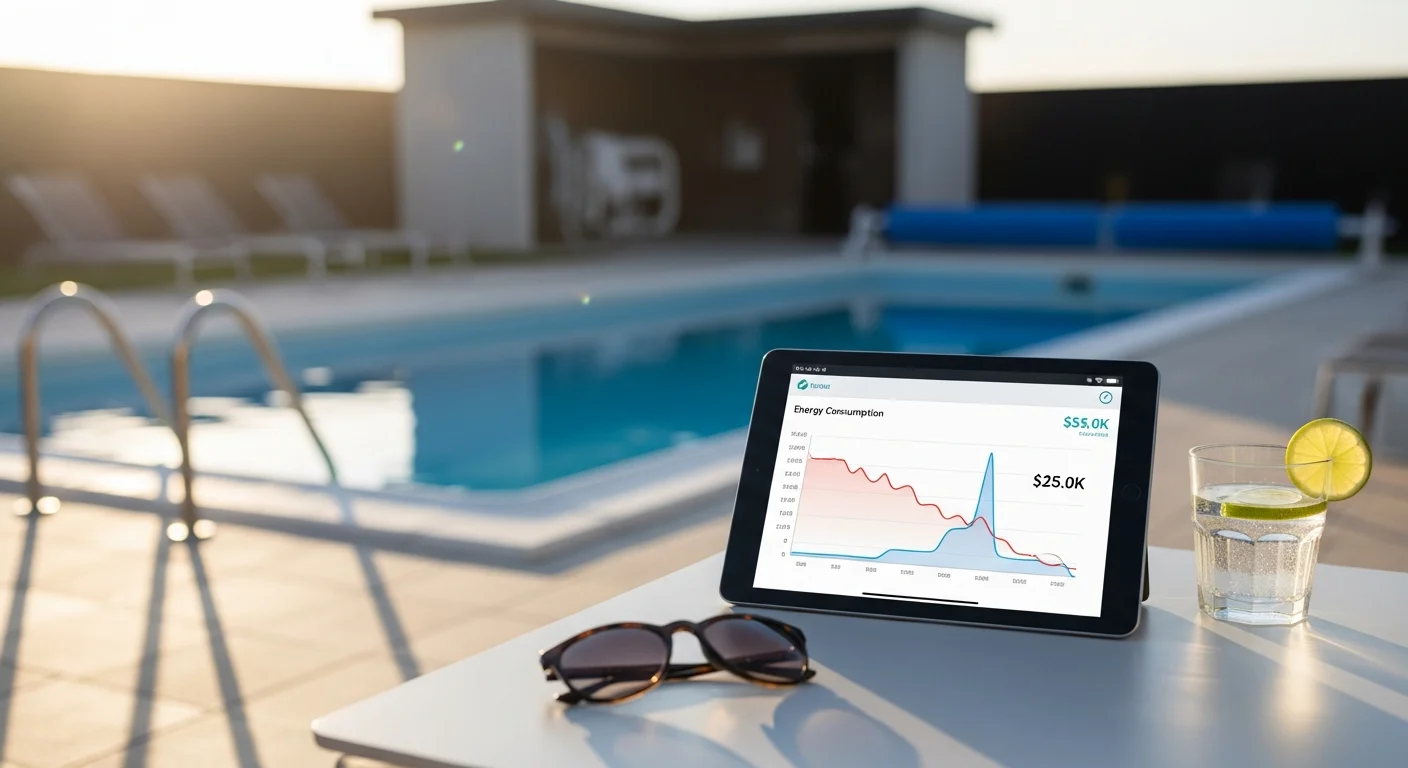
Integrated apps now allow homeowners to track their daily energy consumption. By viewing a pool pump energy savings calculator dashboard on their phones, users can adjust settings instantly to avoid high-tier utility charges.
How to Save Money on Pool Heating Using Our Calculator
Inputting Your Local Utility Rates
To get the most accurate results, start by entering your specific cost per kilowatt-hour. Our tool is designed specifically for lowering pool maintenance costs by providing a tailored report based on your local Orange County rates and pool dimensions.
Evaluating Equipment Upgrades
The calculator allows you to compare your current system against a high-efficiency pool heat pump. This comparison highlights the potential monthly savings, often showing that the upgrade pays for itself much faster than expected in the current 2026 economy.
Stop guessing about your energy usage.
Run Your Efficiency Report Today →Frequently Asked Questions
Are pool heat pumps effective in cold weather?
Yes, most modern units are designed to operate efficiently at temperatures down to 40 degrees Fahrenheit. While their efficiency drops slightly in extreme cold, they remain more cost-effective than traditional gas heaters for maintaining steady warmth during the Winter 2026 season.
How long does it take for a heat pump to warm a pool?
Unlike gas heaters which provide rapid bursts of heat, electric pumps are designed to maintain temperature over time. It may take 12 to 48 hours to reach the initial target temperature, but they excel at keeping that level consistent with minimal energy draw.
Can I use a heat pump with my existing pool pump?
In most cases, yes. However, combining a high-efficiency heater with a variable-speed pool pump provides the greatest savings. Our savings calculator can help you determine the combined impact of upgrading both components simultaneously.
Do electric pool heaters require special wiring?
Yes, most units require a dedicated 220V circuit. It is essential to have a licensed electrician evaluate your current panel to ensure it can handle the load, which is a standard part of a professional installation process.
What is the lifespan of a typical heat pump unit?
With proper maintenance and regular service, these units typically last 10 to 15 years. This longevity makes them a superior investment compared to gas heaters, which often have a shorter functional lifespan due to the corrosive nature of combustion.
Conclusion
Optimizing your home’s efficiency is a journey that starts with the right data. In 2026, the arguments for choosing a pool heat pump are stronger than ever, combining environmental responsibility with significant financial benefits. By taking advantage of modern smart technology and precise calculation tools, you can ensure your backyard remains a source of joy rather than a source of financial stress.
As we look toward a more sustainable future, every small change in our home infrastructure counts. We invite you to explore the resources at Orange County Home Savings to find the best path forward for your pool. Whether you are ready for a full equipment overhaul or just looking to tweak your current settings, the tools are at your fingertips to maximize your comfort and your savings.
About the Author

Written by William Corcoran, Orange County Home Savings Expert
William Corcoran has helped Orange County families save money on their homes for over 15 years. Specializing in property tax reduction and smart refinancing, he offers expert guidance you can trust. www.energybot.com www.energystar.gov
Related Articles
Ready to Find Your Savings?
Get a free personalized report showing all rebates and incentives your home qualifies for.
Get My Free Report