Efficient Pool Heating Systems: Lowering Pool Energy Bills in 2026
Key Takeaways
- Switching to modern heating technology can reduce seasonal energy consumption by up to seventy percent
- Variable speed pumps combined with high-efficiency heaters offer the fastest return on investment in 2026
- Regular maintenance and thermal covers are essential for retaining heat during the Winter 2026 season
- Using an online efficiency calculator helps homeowners predict monthly utility savings with high accuracy
As we navigate through Winter 2026, many Orange County homeowners are looking for ways to mitigate rising utility costs while maintaining a comfortable swimming environment. The introduction of more stringent energy standards has made the selection of a pool heat pump a primary consideration for those seeking sustainable and cost-effective solutions. By leveraging ambient air temperature, these systems provide a consistent heat source that far exceeds the efficiency of traditional combustion methods.
The shift toward electrification in 2026 is not just a trend but a practical response to evolving energy markets. According to the U.S. Department of Energy, these units can operate with a high coefficient of performance, meaning they produce significantly more energy than they consume. This efficiency is the cornerstone of modern pool management and a key driver for long-term household savings.
Ready to see how much you can save on your monthly bills?
Try Our Free Savings Calculator →Calculating Your Potential Energy Savings
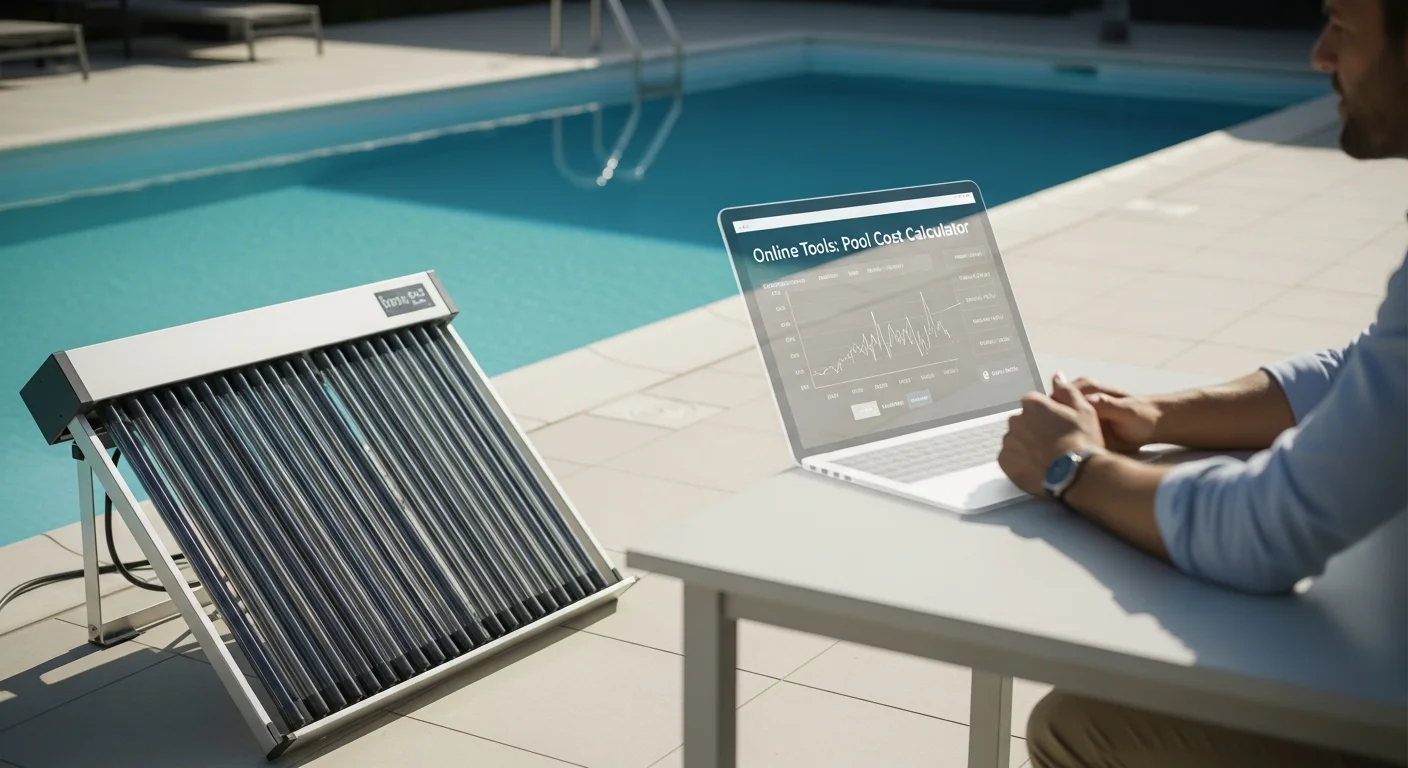
Pool Cost Calculator
Buy NowUnderstanding Pool Pump Efficiency
The heart of your pool's circulation system is the pump, and in 2026, variable speed models have become the standard for lowering pool energy bills. Unlike older single-speed pumps that run at a constant, high-energy rate, variable speed pumps adjust their flow based on the specific needs of the pool. This allows for significant reductions in electrical consumption during filtration cycles.
Accurate Cost Estimation
Homeowners often underestimate the ongoing cost to heat a pool in 2026 without proper monitoring. By using advanced software tools, you can input your specific local utility rates and pool dimensions to receive a tailored report on operational costs. This data-driven approach removes the guesswork from home maintenance budgeting.
Comparing Pool Heat Pump vs Gas Heater Options
Operational Cost Analysis
When analyzing the pool heat pump against traditional gas heaters, the primary difference lies in the source of energy. Gas heaters generate heat through combustion, which is effective for rapid heating but becomes expensive for maintaining a steady temperature. In contrast, electric-based transfer systems are far more economical for daily use.
Climate and Temperature Compatibility
In a mild climate like Southern California, the efficiency of air-source heating is exceptional. As noted by Wikipedia's overview of pool maintenance, the ability to maintain water chemistry and temperature effectively depends largely on the equipment's ability to handle ambient conditions. In 2026, these units are designed to operate efficiently even when temperatures dip during the night.
| Heating Type | Efficiency (COP) | Average Monthly Cost |
|---|---|---|
| Gas Heater | 0.80 - 0.95 | High ($$$) |
| Electric Heat Pump | 5.0 - 7.0 | Low ($) |
| Solar Heating | N/A | Minimal ($0) |
Lower your utility bills today with professional equipment analysis.
Get Your Efficiency Report →Maximizing Efficiency for Winter 2026
The Power of Thermal Covers
Even the best eco-friendly pool heaters cannot overcome the laws of physics. Evaporation is responsible for roughly 70% of a pool's heat loss. Using a high-quality thermal cover during the Winter 2026 season acts as a barrier, trapping the heat generated by your equipment and reducing the workload on your heating system.
Scheduled Runtime Optimization
Timing is everything when it comes to pool maintenance. Running your filtration and heating systems during off-peak hours can result in substantial savings on your electrical bill. Modern smart controllers allow for precision scheduling that aligns with 2026 time-of-use (TOU) utility rates.
Modern Eco-Friendly Pool Heaters
Solar and Hybrid Integration
In 2026, many homeowners are opting for hybrid systems that combine solar thermal collectors with electric heat pumps. This synergy allows for free heating on sunny days while the electric unit provides a reliable backup when cloud cover or lower temperatures occur.
Smart Thermostats and Remote Monitoring
The latest generation of equipment features Wi-Fi connectivity, allowing for real-time adjustments via smartphone apps. According to Energy Star, smart automation can reduce overall energy waste by preventing overheating and ensuring systems only run when necessary.
ROI of Upgrading Pool Equipment
Long-Term Savings vs. Initial Cost
While the upfront cost of high-efficiency equipment may be higher, the pool heat pump benefits manifest quickly through lower monthly bills. Most homeowners find that the system pays for itself within three to five years, depending on usage patterns and local energy rates.
Impact on Property Value
Energy-efficient homes are in high demand in the 2026 real estate market. An upgraded, eco-friendly pool system is a significant selling point, as it reassures potential buyers of lower future maintenance costs and environmental responsibility.
Stop guessing and start saving with Orange County's top pool experts.
Calculate Your Savings Now →Frequently Asked Questions
How much can I save by switching to a heat pump in 2026?
Most homeowners see a reduction of fifty to seventy percent in their monthly heating costs compared to gas systems. The exact amount depends on your pool's size, desired temperature, and local electricity rates in Orange County.
Do heat pumps work during the winter?
Yes, modern 2026 models are designed to extract heat from the air even when temperatures are as low as 40-50 degrees Fahrenheit. While they are slower than gas heaters, they are significantly more efficient for maintaining a steady temperature throughout the colder months.
Is a variable speed pump necessary with a new heater?
While not strictly mandatory, it is highly recommended to pair a high-efficiency heater with a variable speed pump. This combination ensures optimal water flow for heat transfer while minimizing the electrical consumption of the pump itself.
How long do modern pool heaters last?
With proper maintenance and water chemistry balance, a high-quality unit can last between 10 and 15 years. Regular inspections and cleaning of the air coils are essential to maintaining its efficiency and longevity.
Are there rebates available for energy-efficient pool equipment?
Many utility providers in California offer incentives and rebates for installing Energy Star certified equipment. It is worth checking with your local provider to see if you qualify for an instant discount on your upgrade.
Conclusion
Investing in a pool heat pump in 2026 is one of the most effective ways to enhance your home's energy profile. By combining high-efficiency equipment with smart management practices like using thermal covers and variable speed pumps, you can enjoy a warm pool year-round without the burden of excessive utility bills.
As we move deeper into Winter 2026, the value of data-driven decisions becomes even more apparent. We encourage all pool owners to utilize calculation tools to understand their unique savings potential and take the first step toward a more sustainable and affordable backyard oasis.
About the Author

Written by William Corcoran, Orange County Home Savings Expert
William Corcoran has helped Orange County families save money on their homes for over 15 years. Specializing in property tax reduction and smart refinancing, he offers expert guidance you can trust. www.energybot.com www.energystar.gov
Related Articles

Ready to Find Your Savings?
Get a free personalized report showing all rebates and incentives your home qualifies for.
Get My Free Report