Maximize Your Outdoor Savings: How to Use a Turf Replacement Rebate Calculator for Your Landscape
Key Takeaways
- Turf replacement rebates often offer significant cash back per square foot of grass removed
- Most water conservation rebates are not considered taxable income at the federal level
- Pre-approval is a mandatory step before any landscaping work begins to ensure eligibility
- Combining native plants with efficient irrigation maximizes long term utility bill savings
Homeowners in Orange County are increasingly looking for ways to reduce their environmental footprint while keeping more money in their pockets. One of the most effective ways to achieve both is through a landscape transformation. While many people search for an income tax rebate calculator to manage their annual filings, calculating the direct rebates from water agencies can offer even more immediate financial relief. Converting a thirsty lawn into a beautiful, drought-tolerant garden is a smart investment.
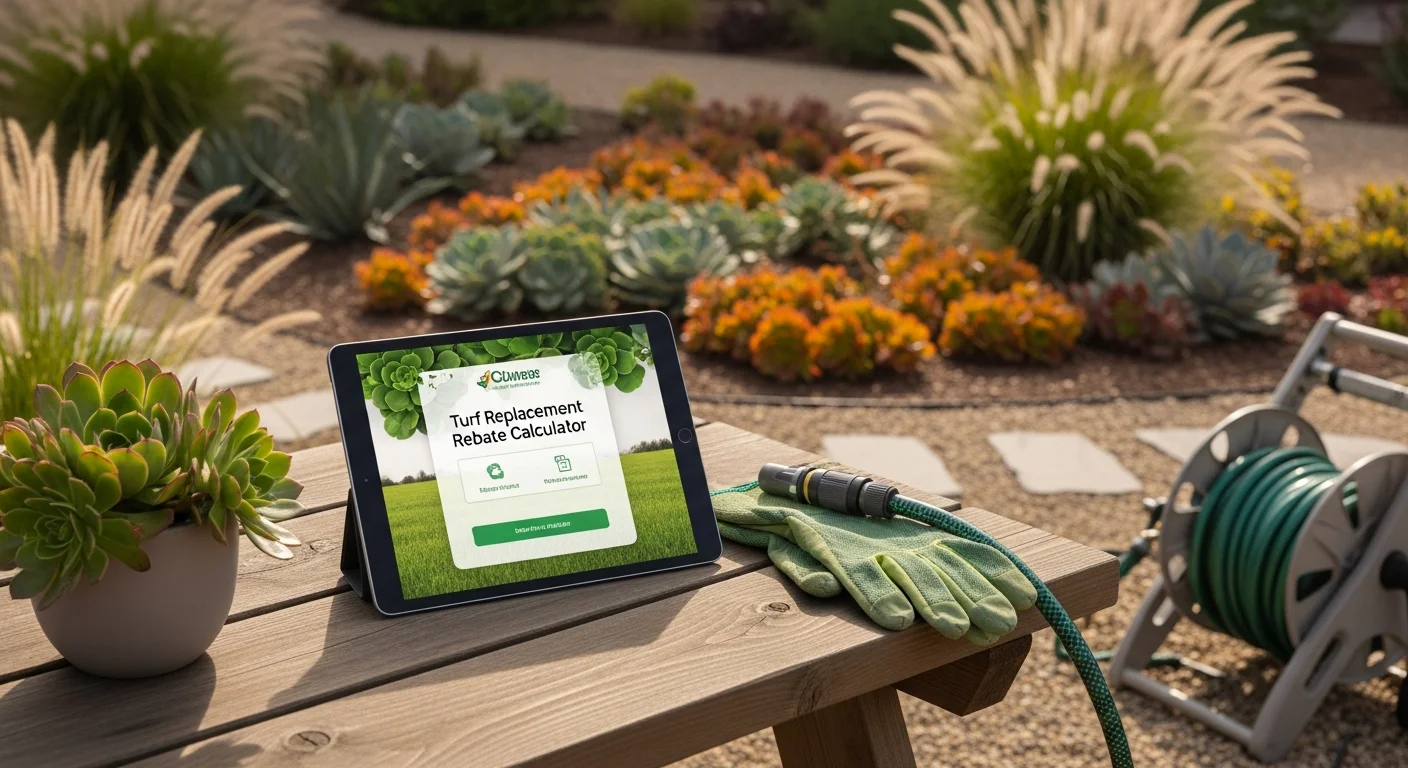
The process of replacing grass can seem daunting, especially when trying to estimate the total costs and potential returns. Our turf replacement rebate calculator simplifies this by providing an instant estimate of the funds available from local water districts. By utilizing these incentives, residents can offset a significant portion of their renovation expenses while ensuring a sustainable future for the community.
Understanding Water-Saving Landscaping Incentives
Turf Replacement Rebate Calculator
Buy NowCalifornia has led the nation in promoting water conservation through aggressive incentive programs. According to the California Department of Water Resources, replacing high-water-use lawns with climate-appropriate plants is essential for long-term drought resilience. These programs are designed to reward homeowners who proactively reduce their outdoor water consumption.
The Landscape Transformation Program
Local water agencies, such as the Metropolitan Water District of Southern California, offer cash incentives for every square foot of turf removed. These programs typically require the inclusion of sustainable features like native plants and rain gardens. By following the BeWaterWise guidelines, homeowners can ensure their project meets all regional requirements.
Why Incentives Matter
Incentives are more than just a "thank you" for saving water; they are a financial tool to help bridge the gap between initial installation costs and long-term savings. Without these rebates, the ROI for a professional landscape renovation would be significantly longer. These programs make it possible for middle-class families to afford high-quality, eco-friendly exterior upgrades.
Ready to see how much you can save on your new lawn?
Calculate Your Rebate Now →How to Use a Turf Replacement Rebate Calculator
Using an online tool to estimate your savings is the first step in any successful lawn conversion. You will need to accurately measure the square footage of the grass area you intend to remove. Most calculators will ask for your zip code to determine which local water agency governs your area and what their current rebate rate per square foot is.
Accurate Measurements
To get the most out of a calculator, you should measure your lawn in sections. Use a tape measure or a rolling measuring wheel to get the length and width of rectangular areas. For irregular shapes, it is often best to break the area into smaller triangles or circles to calculate the total area more precisely.
Understanding the Output
The calculator will typically give you a gross rebate amount. It is important to remember that this is an estimate. The final check amount will depend on a physical inspection and verification of your project's completion according to the program's strict design standards.
Comparing Landscaping Savings and an Income Tax Rebate Calculator
Many homeowners wonder if their turf rebate will affect their annual tax return. While an income tax rebate calculator is excellent for estimating your refund from the IRS, turf rebates are handled differently. It is a common misconception that all government-issued checks are taxable income.
Federal Tax Exemptions for Water Rebates
According to information found on IRS.gov, certain energy and water conservation subsidies are excluded from gross income. Specifically, section 136 of the Internal Revenue Code allows for some exclusions. This means that unlike the results you might see on an income tax rebate calculator, your landscaping rebate may not increase your tax liability at all.
State-Specific Tax Implications
In California, most water conservation rebates have been made tax-exempt at the state level as well. Legislators recognize that taxing these incentives would discourage the very behavior they are trying to promote. However, always consult with a qualified tax professional or use a specialized income tax rebate calculator to verify how these figures fit into your overall financial picture.
Get your custom landscape savings report today!
Access the Calculator →Lawn Replacement Rebate Eligibility Rules
Qualifying for a rebate involves more than just pulling up your grass. Most programs require that you maintain a living landscape. This means you cannot simply replace your lawn with concrete or large areas of plastic mulch. The goal is to reduce water use while maintaining the ecological benefits of a permeable, living environment.
| Requirement | Details |
|---|---|
| Plant Density | Typically 3 plants per 100 sq ft at minimum |
| Stormwater Retention | Must include a rain barrel or rock garden swale |
| Mulch Coverage | Minimum 3-inch layer of organic or inorganic mulch |
Permeability Standards
According to the EPA WaterSense program, permeable surfaces are critical for recharging local groundwater. Your new landscape must allow water to soak into the ground rather than running off into the street. Using gravel, wood chips, or permeable pavers is usually required.
Pre-Approval Requirements
The most common mistake homeowners make is starting the project before receiving an official letter of pre-approval. Agencies will not pay for work that has already been started or completed. You must submit your "before" photos and measurements first and wait for the green light.
Environmental Benefits of Drought-Tolerant Lawns
While the financial incentives are a major draw, the environmental impact of turf removal is profound. Traditional lawns are often monocultures that require heavy fertilization and pesticide use. Moving toward native plants supports local biodiversity, providing habitats for pollinators like bees and butterflies.
Reducing Urban Heat Islands
Strategic landscaping with trees and shrubs can lower the temperature around your home. Unlike artificial turf, which can become extremely hot in the California sun, natural drought-tolerant plants help cool the air through transpiration. This can lead to lower air conditioning costs during the summer months.
Water Conservation Impact
Outdoor watering accounts for roughly 50% to 70% of total household water use in Southern California. By removing grass, you can reduce your outdoor water needs by up to 80%. This massive reduction is a key pillar of the Orange County Water District's sustainability plan.
Financial Long-Term Value of Landscape Transformation
A well-designed drought-tolerant landscape is an investment that keeps on giving. Beyond the initial rebate, you will see a permanent reduction in your monthly water bill. Furthermore, California-friendly landscapes are often seen as a premium feature in the real estate market, potentially increasing your property value.
Lower Maintenance Costs
Think about the costs of mowing, edging, fertilizing, and reseeding a lawn. These tasks require both time and money. Native gardens generally require much less maintenance once established, needing only occasional pruning and weeding. This adds hours back to your weekends and dollars back to your budget.
Resilience to Water Rate Hikes
As water becomes scarcer, rates are expected to rise. By decreasing your dependency on city water for your yard, you insulate your household budget from future price increases. It is a form of financial security that pays dividends for years to come.
Stop wasting money on your thirsty lawn. Start your application today!
Get Started Now →Frequently Asked Questions
How much is the turf replacement rebate in Orange County?
The standard rebate often starts at $3 per square foot for up to 5,000 square feet, though this can vary by local water district and current funding levels. Some cities may offer additional local bonuses on top of the regional Metropolitan Water District rebate.
Is the turf rebate taxable income?
Under current federal and California state laws, water conservation rebates are generally excluded from taxable income. While you might use an income tax rebate calculator for your standard earnings, these specific subsidies usually don't need to be reported as income.
Can I use artificial grass to get the rebate?
As of current guidelines, many programs have shifted away from incentivizing artificial turf due to environmental concerns like heat retention. Most programs now require a "living landscape" with permeable ground cover and real, drought-tolerant plants.
How long does it take to receive the rebate check?
Once the project is finished and you submit your final documentation and photos, it typically takes 8 to 12 weeks for the agency to process the claim and mail the check. The timeline can fluctuate based on the volume of applications being processed.
Do I need a professional landscaper to qualify?
No, you can complete the work yourself as a DIY project. However, you must still adhere to all the design requirements, such as plant density and stormwater retention, to receive your final rebate payment.
In conclusion, utilizing a turf replacement rebate calculator is a vital first step for any homeowner looking to save money and water. By understanding the financial incentives available and following the proper application procedures, you can transform your yard into a sustainable oasis. While we often think of an income tax rebate calculator for our annual finances, these landscaping rebates provide a unique opportunity for immediate and lasting savings.
As the climate continues to change, being proactive about water conservation is not just an environmental choice but a sound financial strategy. We invite you to explore the tools at Orange County Home Savings to maximize your project's potential. Let us help you navigate the path to a more beautiful and cost-effective home exterior.
About the Author

Written by William Corcoran, Orange County Home Savings Expert
William Corcoran has helped Orange County families save money on their homes for over 15 years. Specializing in property tax reduction and smart refinancing, he offers expert guidance you can trust. www.energybot.com www.energystar.gov
Related Articles

Ready to Find Your Savings?
Get a free personalized report showing all rebates and incentives your home qualifies for.
Get My Free Report