Reduce Pool Energy Costs: Variable Speed Pool Pump Savings and Efficiency Guide
Key Takeaways
- Variable speed pumps can reduce energy consumption by up to ninety percent compared to single speed models
- Heating efficiency is significantly improved by using thermal covers to prevent evaporative heat loss
- Utilizing a pool cost calculator helps homeowners identify specific areas where they are overspending on utilities
- Regular system audits can prevent high electricity bills caused by aging or poorly maintained equipment
Owning a pool in Orange County is a dream for many, but the reality of monthly utility bills can quickly turn that dream into a financial burden. While many homeowners focus on chemicals and cleaning, comprehensive pool maintenance requires a closer look at the mechanical systems that keep your water circulating and warm. According to the U.S. Department of Energy, pool pumps are often the second largest energy consumer in a home.
In this guide, we will explore how energy efficient pool upgrades can put money back in your pocket. By understanding the data behind your equipment, you can make informed decisions that reduce your environmental footprint and your expenses simultaneously. Let’s dive into the specifics of how to transform your backyard oasis into a model of efficiency.
Want to see exactly how much you can save?
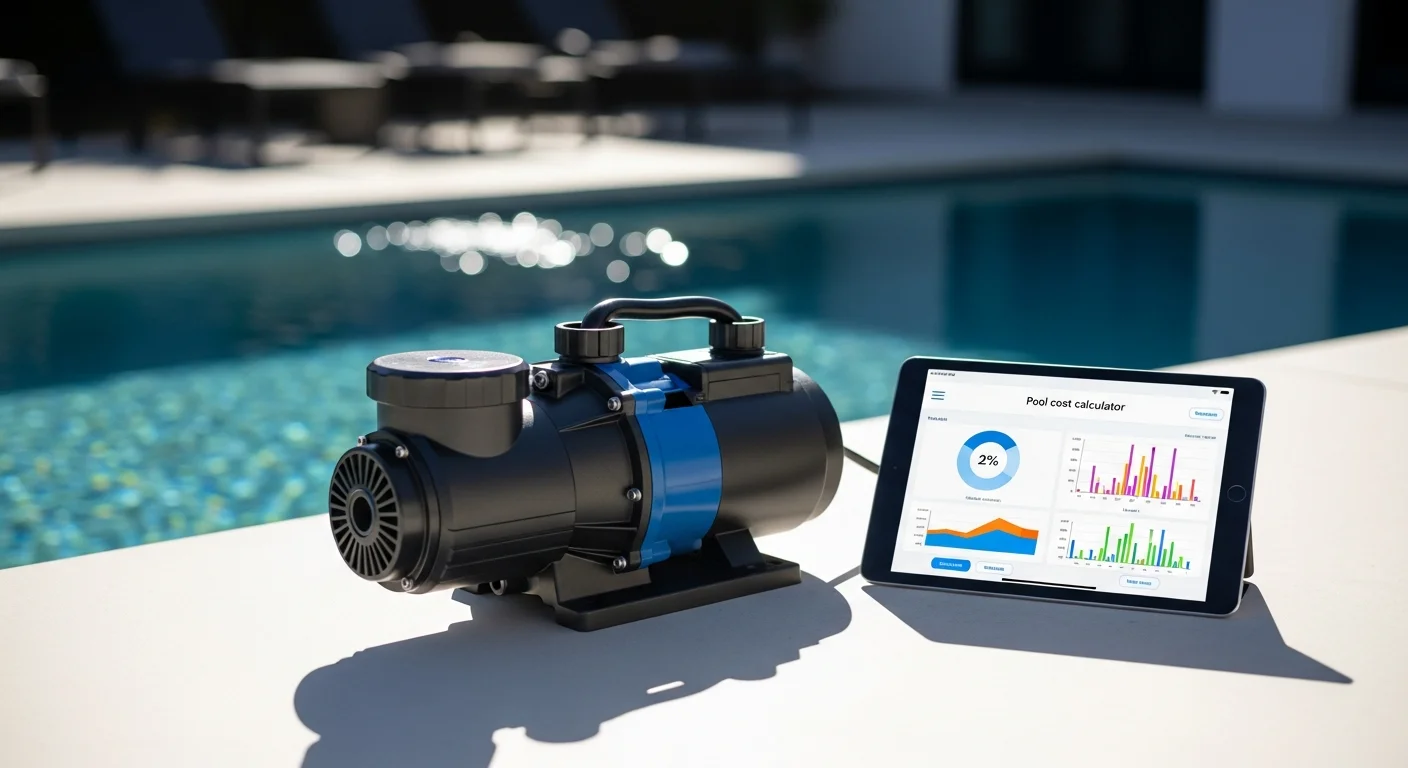
Try Our Pool Cost Calculator →How Much Does a Pool Cost to Run Annually?
Pool Cost Calculator
Buy NowEstimating Electricity Usage
The average residential pool pump can consume thousands of kilowatt-hours per year. If you are using an older, single-speed model, you might be paying significantly more than necessary. According to ENERGY STAR, certified pool pumps use up to 70% less energy than standard models.
The Impact of Climate
In Orange County, our year-round temperate climate means pools are active longer than in northern states. This extended usage period compounds the energy drain of inefficient hardware. Understanding your local utility rates is crucial for an accurate how much does a pool cost to run assessment.
Hidden Costs of Inefficiency
Beyond electricity, inefficient pumps can lead to poor water circulation. This often results in higher chemical costs as you struggle to keep the water clear. Proper filtration through an efficient system actually saves you money on sanitizers and clarifies over time.
Variable Speed Pool Pump Savings Explained
Energy Efficiency Differences
When comparing single speed vs variable speed pool pumps, the difference lies in the motor technology. Variable speed pumps use permanent magnet motors, which are much more efficient than the induction motors found in single-speed versions. They allow you to dial in the exact flow rate needed for tasks like filtering or heating.
Payback Period Calculations
While the upfront cost of a variable speed pump is higher, the variable speed pool pump savings usually cover the price difference within two seasons. Many local utilities also offer rebates for upgrading to energy-efficient equipment, further shortening the return on investment period.
Noise Reduction Benefits
A secondary benefit of variable speed technology is the massive reduction in noise. Because the pump often runs at lower speeds, the loud hum typical of pool equipment pads is virtually eliminated. This enhances your backyard experience while simultaneously reducing pool energy costs.
Compare your current equipment to modern alternatives.
Calculate Your Savings Potential →Is a Solar Pool Heater Worth It for Your Home?
Initial Investment vs. Savings
For many homeowners asking is a solar pool heater worth it, the answer depends on roof space and sun exposure. Solar systems have minimal operating costs once installed, making them the most cost-effective heating method over a 10-year horizon compared to gas or electric heat pumps.
Integration with Existing Systems
Modern solar collectors can be integrated with your existing pool pump. When combined with a variable speed pump, the system can move water through the solar panels at a low, efficient speed that maximizes heat absorption without wasting electricity.
Environmental Impact
Switching to solar heating significantly reduces your home's carbon footprint. According to the National Renewable Energy Laboratory, solar water heating is one of the most effective ways to utilize renewable energy at the residential level.
Smart Strategies for Year-Round Pool Maintenance
Regular Filter Cleaning
A dirty filter creates resistance, forcing your pump to work harder and consume more energy. Incorporating regular filter rinsing into your pool maintenance routine ensures that water flows freely, allowing the pump to operate at its lowest, most efficient RPM.
Chemical Balance Efficiency
Maintaining proper pH and alkalinity levels prevents scale buildup on heater elements and inside pipes. Scale acts as an insulator, reducing pool heating efficiency and requiring the system to run longer to achieve the same temperature rise.
Automation Systems
Pool automation allows you to schedule run times during off-peak hours when electricity rates are lower. This is one of the most effective pool heating efficiency tips for Southern California residents dealing with tiered utility pricing.
Reducing Pool Heating Efficiency Losses
Using Pool Covers
Evaporation is the primary source of heat loss in swimming pools. According to Wikipedia's entry on swimming pools, a pool cover can reduce water loss and chemical consumption while retaining up to 70% of the pool's heat.
Windbreak Installations
Wind blowing across the surface of the water accelerates heat loss and evaporation. Installing a fence or strategic landscaping acts as a windbreak, which is a simple yet effective way to reduce pool energy costs without buying new machinery.
Optimal Temperature Settings
Lowering your pool temperature by just one or two degrees can result in significant savings. For every degree you lower the thermostat, you can save 10% to 30% on your heating costs depending on the ambient temperature and system type.
| Equipment Type | Energy Usage | Typical Annual Savings |
|---|---|---|
| Single Speed Pump | High (100%) | $0 (Baseline) |
| Variable Speed Pump | Very Low (10-30%) | $450 - $900 |
| Standard Gas Heater | Moderate to High | Varies by usage |
| Solar Heating System | Minimal (Pump only) | $300 - $600 |
How to Use Our Pool Cost Calculator
Inputting Your Data
To get the most accurate results from a pool cost calculator, you should have your latest utility bill handy. You will need to enter your cost per kilowatt-hour and the estimated hours your pump runs daily. If you are unsure, our tool provides averages based on Orange County standards.
Interpreting Results
The calculator will provide a side-by-side comparison of your current costs versus potential savings with a variable speed pump or high-efficiency heater. This data is essential for justifying the cost of equipment upgrades to your household budget.
Planning Upgrades
Once you see the potential swimming pool utility savings, you can prioritize which upgrades to tackle first. Most experts recommend starting with the pump, as it provides the most immediate and consistent impact on your monthly bills.
Ready to stop overpaying on your utilities?
Access the Savings Calculator Now →Frequently Asked Questions
How much can I actually save with a variable speed pump?
Most homeowners see a reduction in their pool's electricity usage by 75% to 90%. In California, this typically translates to $500 to $1,000 in annual savings depending on the pool size and local rates.
Is routine pool maintenance still necessary with new equipment?
Yes, even the most efficient systems require basic care. While modern equipment is more robust, routine tasks like cleaning baskets and checking chemistry are essential for longevity and efficiency.
How long do variable speed pumps last?
Variable speed pumps often last 8 to 12 years. Because they typically run at lower speeds and produce less heat, their components experience less wear and tear compared to traditional pumps.
Do solar heaters work on cloudy days?
Solar heaters are most effective in direct sunlight, but they can still collect some ambient heat on overcast days. However, their efficiency is significantly reduced when the sun is not visible.
Can I install these upgrades myself?
While some minor tasks can be DIY, we recommend professional installation for pumps and heaters. Proper plumbing and electrical work are critical for safety and to ensure you qualify for manufacturer warranties and utility rebates.
In summary, optimizing your pool's efficiency is one of the smartest financial moves a homeowner can make. By leveraging technology like variable speed pumps and solar heating, you can enjoy your pool without the stress of astronomical utility bills. Routine pool maintenance often overlooks the efficiency of the pump, but it is the heartbeat of your system.
Our team at Orange County Home Savings is dedicated to helping you find the best path toward energy independence. Investing in efficiency simplifies your pool maintenance while keeping more money in your pocket for the things that matter most. Start your journey today by using our specialized tools to audit your current setup.
About the Author

Written by William Corcoran, Orange County Home Savings Expert
William Corcoran has helped Orange County families save money on their homes for over 15 years. Specializing in property tax reduction and smart refinancing, he offers expert guidance you can trust. www.energybot.com www.energystar.gov
Related Articles
Ready to Find Your Savings?
Get a free personalized report showing all rebates and incentives your home qualifies for.
Get My Free Report