Home Energy Score Calculator: How to Improve Home Energy Efficiency and Lower Utility Bills
Key Takeaways
- A home energy score provides a standard rating of your home's asset efficiency on a scale of one to ten
- Calculators identify specific areas where insulation or HVAC upgrades can significantly reduce monthly costs
- High energy scores often lead to higher property resale values and faster closing times in competitive markets
- Using a professional tool is the first step toward accessing local utility rebates and state energy incentives
Homeowners across Orange County are increasingly concerned about rising power costs and environmental impact. Utilizing a home energy score calculator is the most effective way to gain clarity on your property's performance. By understanding your baseline, you can make informed decisions that lead to lasting savings.
Many people wonder exactly how their home stacks up against modern efficiency standards. A professional score removes the guesswork, providing a numerical value that represents the energy assets of the structure. This data is vital for anyone looking to optimize their living space or prepare for a future sale.
What is a Home Energy Score and How It Works
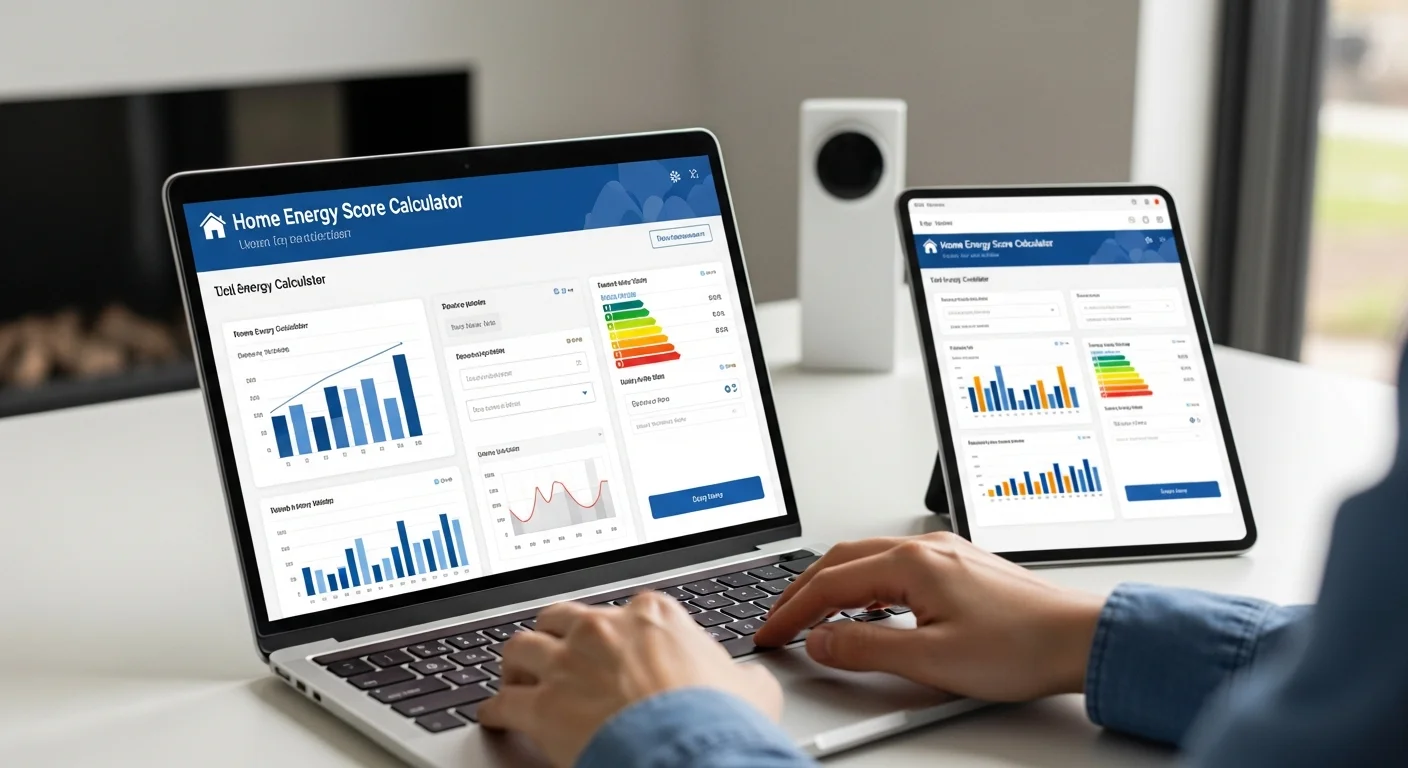
Home Energy Score Calculator
Buy NowThe 1 to 10 Scale Explained
The what is a home energy score question is best answered by looking at the Department of Energy's standard. A score of 10 represents a highly efficient home, while a 1 indicates significant room for improvement. This rating considers the building envelope, heating, cooling, and hot water systems.
Asset-Based Evaluation
Unlike utility bills, which fluctuate based on personal behavior, the score focuses on the house itself. This means it evaluates the insulation levels, window quality, and appliance efficiency. According to the U.S. Department of Energy, this standardized approach allows for fair comparisons between different properties.
Home Energy Audit vs Home Energy Score Differences
Comparing Depth and Detail
When looking at a home energy audit vs home energy score, it is important to understand the scope. An audit is a deep dive into how a family uses energy, often involving blower door tests and infrared cameras. A score is a quicker, asset-based rating that provides a benchmark for the home's physical structure.
Choosing the Right Tool for Your Goals
If you want a detailed roadmap for construction, an audit is excellent. However, if you need a quick rating for a real estate listing or to compare your home's efficiency with neighbors, the score is the preferred method. Both tools help in the journey toward how to improve home energy efficiency.
Ready to see your property's efficiency rating?
Try Our Energy Score Calculator →Benefits of a Home Energy Efficiency Rating
Transparency for Buyers and Sellers
One of the primary benefits of a home energy efficiency rating is the transparency it brings to the real estate market. Sellers can justify a higher asking price by proving the home has low operational costs. Buyers can move forward with confidence, knowing they won't face massive utility bills after closing.
Access to Rebates and Incentives
Many local and federal programs require a baseline rating to qualify for financial assistance. By using a calculator, you can identify which upgrades will trigger the most substantial rebates. Organizations like Energy Star provide resources to help homeowners navigate these complex financial incentives.
How to Lower Utility Bills in California Effectively
Targeting High-Impact Upgrades
Learning how to lower utility bills in California starts with data. The calculator identifies if your attic insulation is insufficient or if your HVAC system is oversized for your needs. Addressing these core issues often yields a faster return on investment than minor behavioral changes.
Optimizing Air Sealing
Air leaks around windows and doors are major contributors to energy waste. A high-quality home energy rating system report will highlight the importance of sealing the building envelope. This keeps the conditioned air inside and prevents your air conditioner from working overtime during hot Orange County summers.
Stop overpaying for energy in Orange County today.
Get Your Free Energy Savings Plan →| Improvement Type | Potential Score Increase | Bill Reduction % |
|---|---|---|
| Attic Insulation | +1 to +2 Points | 10% - 15% |
| High-Efficiency Heat Pump | +2 to +3 Points | 20% - 30% |
| Smart Thermostat | +0.5 Points | 5% - 8% |
Why is My Electricity Bill So High?
Old Appliances and Phantom Loads
If you are asking why is my electricity bill so high, start by looking at appliance age. Older refrigerators and water heaters consume significantly more power than modern equivalents. Additionally, devices left plugged in can draw constant "phantom" power, adding dollars to your bill every month.
Inefficient Cooling in SoCal
In Southern California, cooling represents the largest portion of home energy use. According to the California Energy Commission, inefficient AC units coupled with poor ductwork can waste up to 30% of your energy. A score calculator highlights these inefficiencies clearly.
Ways to Increase Home Value with Energy Efficiency
The ROI of Efficiency Upgrades
There are many ways to increase home value with energy efficiency, but solar and HVAC are top contenders. Modern buyers prioritize sustainability and low maintenance costs. Research from Lawrence Berkeley National Laboratory shows that energy-efficient homes often sell for a premium compared to traditional homes.
Marketing Your High Score
When it comes time to list your property, having a certified score can be a powerful marketing tool. It acts as an independent verification of the home's quality. Including the DOE Home Energy Score benefits in your listing descriptions can attract eco-conscious buyers quickly.
Want a higher home value? Start with your energy score.
Calculate Your Score Now →Frequently Asked Questions
How long does a home energy score assessment take?
A typical assessment takes between 60 to 90 minutes depending on the size of the home. During this time, the assessor looks at your attic, HVAC, and window systems. The report is usually generated and delivered within 24 hours.
Is a home energy score worth it for an older home?
Yes, it is arguably more valuable for older homes. Older properties often have hidden energy leaks or outdated insulation that contribute to high bills. Identifying these specific issues allows for targeted, high-impact improvements.
Can I improve my score without major renovations?
Definitely. Simple fixes like weatherstripping, adding a smart thermostat, and switching to LED lighting can boost your score. These low-cost changes aggregate to significant efficiency gains over time.
What is the difference between a score and a HERS rating?
A Home Energy Score is a quick, low-cost assessment primarily for existing homes. A HERS rating is much more complex and is typically used for new construction or major energy retrofits. Both are useful, but the Score is more accessible for average homeowners.
Does a low score mean my home is poorly built?
No, a low score simply means there are modern efficiency features that are currently missing. A beautifully constructed historic home might have a low score simply because it lacks high-performance windows or modern insulation. It is a measure of efficiency, not construction quality.
Taking control of your home's energy future is a smart financial and environmental move. By using a home energy score calculator, you empower yourself with the data needed to make meaningful changes. Orange County homeowners have a unique opportunity to lead the way in sustainable living while significantly reducing their overhead costs.
As we face more extreme weather patterns and fluctuating energy prices, being proactive is key. Whether you plan to sell soon or stay for decades, improving your home's efficiency is an investment that pays for itself. Start your journey today and discover the true potential of your property.
About the Author

Written by William Corcoran, Orange County Home Savings Expert
William Corcoran has helped Orange County families save money on their homes for over 15 years. Specializing in property tax reduction and smart refinancing, he offers expert guidance you can trust. www.energybot.com www.energystar.gov
Related Articles
Ready to Find Your Savings?
Get a free personalized report showing all rebates and incentives your home qualifies for.
Get My Free Report