2026 Guide to Orange County Home Incentives and California Electric Vehicle Rebates
Key Takeaways
- Federal tax credits for electric vehicles remain a cornerstone of clean energy savings in 2026
- Orange County residents can access exclusive utility rebates for home charging installations
- California state grants provide additional funding for low to moderate income households
- Combining multiple incentive programs can offset the majority of green home upgrade costs
As we move through Winter 2026, Orange County homeowners are finding more ways than ever to modernize their properties while slashing costs. The landscape of clean energy has evolved, making it easier to integrate sustainable technology into your daily life. Navigating the complexities of the federal ev tax credit can be daunting, but the financial rewards for your household budget are significant.
In this comprehensive guide, we will break down how you can stack various incentives to maximize your return on investment. Whether you are looking at a new electric car or upgrading your home electric panel, 2026 offers a unique window of opportunity for Southern California residents. Our goal is to ensure you have the data needed to make informed decisions for your home and family.
California Electric Vehicle Rebates and State Programs
Free Home Rebate & Incentive Report
Buy NowState-Level Grant Opportunities
California continues to lead the nation in providing aggressive incentives for clean transportation. According to the California Energy Commission, state programs in 2026 are specifically targeting broader accessibility for all residents. These grants can often be combined with federal programs to lower the purchase price of a vehicle by several thousand dollars.
Equity-Based Incentives for 2026
Many state programs now feature "equity tiers" that provide larger rebates for lower-to-moderate income households. This shift ensures that the transition to clean energy is not just for luxury homeowners but for everyone in Orange County. Checking your specific eligibility is the first step in unlocking these localized funds.
Want to see exactly which rebates your Orange County property qualifies for?
Get Your Free Rebate Report →Understanding the Federal ev tax credit for 2026
Point-of-Sale Transfer Mechanisms
The most significant change in recent years is the ability to transfer your tax credit directly to the dealer. This means you no longer have to wait until tax season to see the benefit; instead, it acts as an immediate discount on the vehicle's price. This point-of-sale transfer for the ev tax credit makes vehicles more affordable from day one.
New vs. Used Vehicle Credits
Federal law provides different credit amounts based on whether the vehicle is new or used. According to Internal Revenue Service guidelines, new vehicles may qualify for up to $7,500, while qualifying used vehicles can receive up to $4,000. Both options require the vehicle to meet specific battery component and assembly criteria.
Savings on EV Charging Station Tax Credits
Residential Charging Equipment Credits
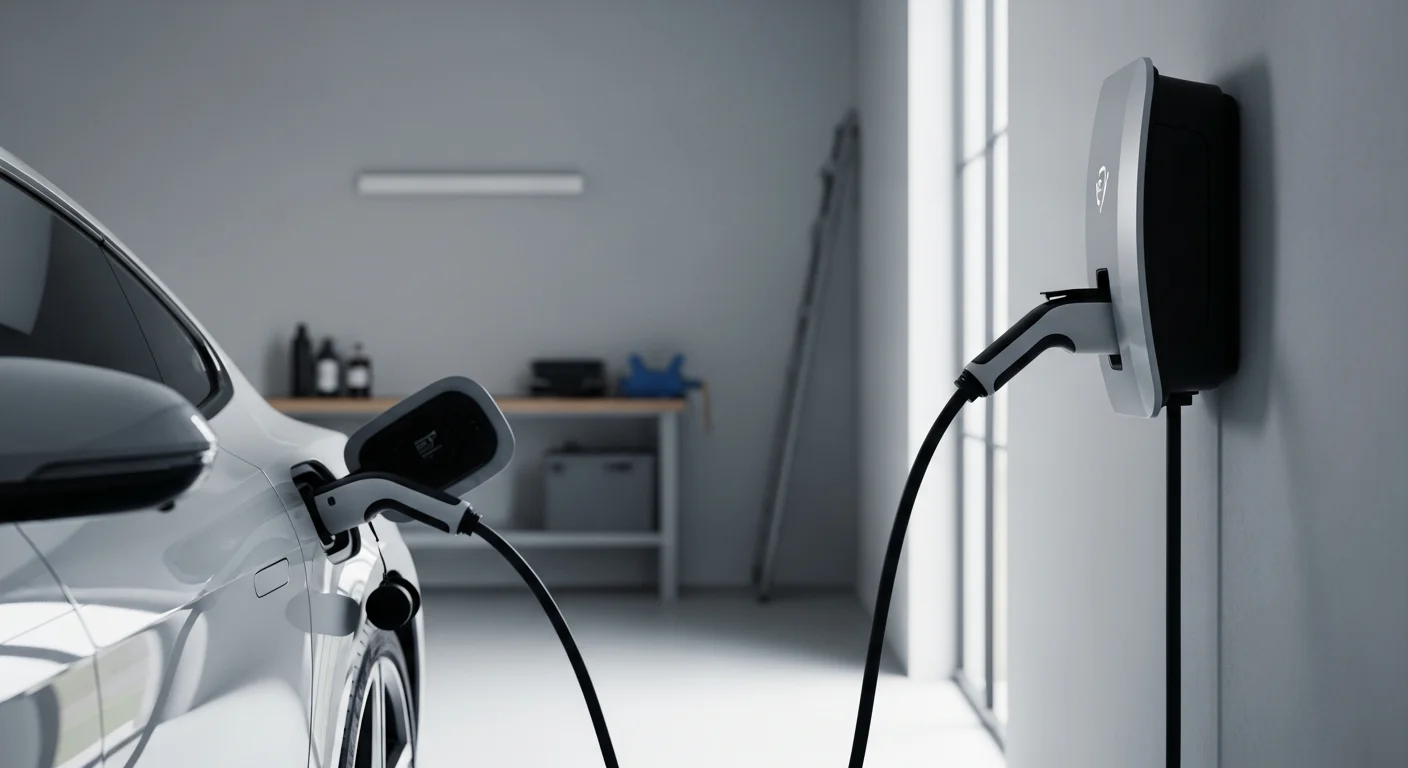
Installing a Level 2 charger at home is a smart move for any EV owner. Federal incentives cover a percentage of the hardware and installation costs for residents in eligible census tracts. This significantly reduces the out-of-pocket expense for setting up a home fueling station.
Permitting and Installation Tips
In Orange County, streamlining the permit process is a priority for local municipalities. By working with certified installers who understand the latest 2026 building codes, you can ensure your system is safe and fully compliant with utility standards, which is often a prerequisite for claiming local rebates.
Planning a home upgrade? Don't miss out on thousands in available incentives.
Access My Custom Report →Local Orange County Utility Incentives
Southern California Edison (SCE) Programs
According to Southern California Edison, customers can access specific rebates for energy-efficient appliances and EV infrastructure. These "behind-the-meter" incentives are designed to balance the local grid while putting money back into the pockets of OC residents who invest in smart home technology.
| Incentive Type | Estimated Value | Source |
|---|---|---|
| New Federal EV Credit | Up to $7,500 | IRS / Federal Gov |
| Used Federal EV Credit | Up to $4,000 | IRS / Federal Gov |
| Home Charger Installation | Up to $1,000 | Utility / Federal |
Clean Vehicle Credit Requirements and Income Limits
Understanding Income Thresholds
To qualify for the full suite of federal and state benefits, your Modified Adjusted Gross Income (MAGI) must fall below certain caps. For the federal program, these caps vary based on your filing status (single, head of household, or joint filers). Ensuring your income aligns with these 2026 requirements is vital before signing a purchase agreement.
Vehicle Manufacturer and Battery Sourcing
Not every electric vehicle qualifies for the maximum credit. The Department of Energy maintains a list of eligible vehicles that meet the strict North American assembly and battery mineral sourcing requirements. Checking this list regularly is recommended, as manufacturer eligibility can change based on new 2026 supply chain developments.
Frequently Asked Questions
How do I claim the EV tax credit at the dealership?
You must attest that you meet the income requirements and then sign a transfer agreement with the dealer. The dealer will then apply the credit directly to your purchase price or lease agreement, effectively reducing your financing amount immediately.
Can I get a rebate for a used electric car in 2026?
Yes, used electric vehicles purchased from a licensed dealer can qualify for a credit of 30% of the sale price, up to a maximum of $4,000. The vehicle must be at least two model years old and have a sale price of $25,000 or less.
What are the income limits for the 2026 incentives?
For new vehicles, the limits are typically $300,000 for married couples filing jointly, $225,000 for heads of households, and $150,000 for all other filers. These limits are slightly lower for used vehicle credits.
Does Orange County have specific rebates for home chargers?
Yes, through Southern California Edison and various local municipal programs, residents can often find rebates that cover several hundred dollars of the installation and hardware costs for a Level 2 home charging station.
Can I stack federal and state incentives?
In most cases, yes. You can combine the federal tax credit with California state grants and local utility rebates. This "stacking" strategy is the best way to minimize the total cost of transitioning to clean energy.
Conclusion
The opportunities for Orange County residents to save money while improving their homes have never been better. By staying informed about the latest state and federal guidelines, you can navigate the complex world of rebates with confidence. Remember that programs are subject to funding availability, so acting sooner rather than later is often the best strategy to ensure you don't leave your ev tax credit on the table.
At OC Home Savings, we specialize in helping homeowners identify every single dollar they are entitled to. From energy-efficient windows to the latest clean vehicles, our personalized reports provide a clear roadmap for your financial and environmental goals. Let us help you unlock the full potential of your property in 2026.
Ready to maximize your 2026 savings? Get your personalized report now.
Claim My Rebate Report →About the Author

Written by William Corcoran, Orange County Home Savings Expert
William Corcoran has helped Orange County families save money on their homes for over 15 years. Specializing in property tax reduction and smart refinancing, he offers expert guidance you can trust. www.energybot.com www.energystar.gov
Related Articles
Ready to Find Your Savings?
Get a free personalized report showing all rebates and incentives your home qualifies for.
Get My Free Report