Home EV Charging Station Cost: 2026 Guide to Installation and Local Rebates
Key Takeaways
- Level 2 installations in 2026 typically range from 800 to 2500 dollars depending on electrical panel capacity
- Local Orange County rebates can offset up to 50 percent of total installation expenses for qualifying residents
- Smart charging features are now standard for Winter 2026 models to take advantage of off peak utility rates
- Always verify if your existing electrical service can handle the additional 40 to 50 amp load before purchasing hardware
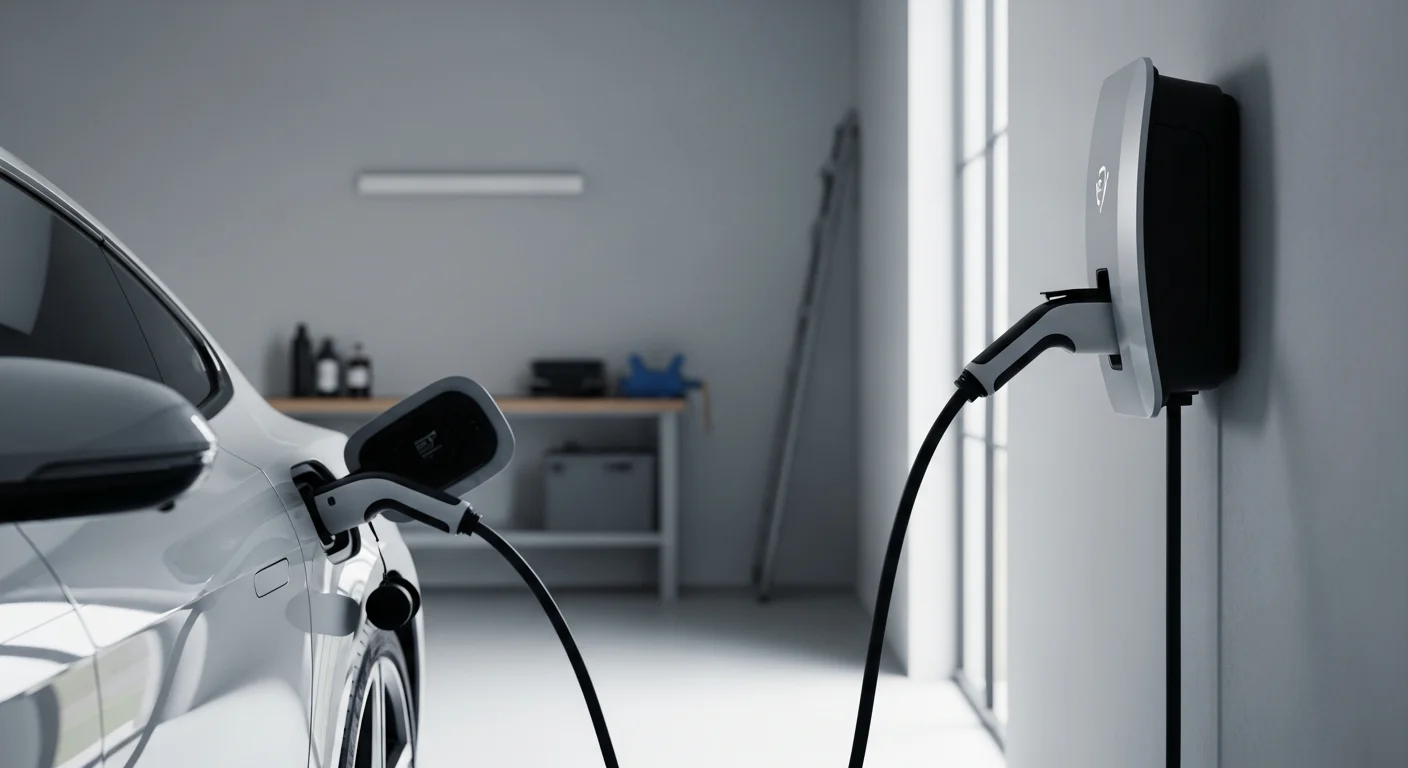
As we move into Winter 2026, the transition to electric mobility has reached an all-time high in Southern California. For many new owners, the initial excitement of purchasing an electric vehicle is quickly met with the practical challenge of setting up a reliable home car charger. Navigating the logistics of permits, hardware selection, and labor costs can be overwhelming without a clear roadmap.
According to the U.S. Department of Energy home charging guide, over 80% of EV charging happens at home. This makes the efficiency and cost-effectiveness of your residential setup a primary concern for long-term vehicle ownership. Understanding the nuances of 2026 electrical standards is essential for a safe installation.
Want to see your exact installation price?
Run the 2026 Cost Calculator →Understanding Home EV Charging Station Cost in 2026
EV Charger Installation Calculator
Buy NowHardware and Equipment Pricing
In the current market, high-quality Level 2 hardware has become more affordable yet more advanced. Most 2026 models now include Wi-Fi connectivity and dynamic load balancing as standard features. You can expect to spend between $400 and $900 for the unit itself, depending on the amperage and cable length.
Labor and Permitting in Southern California
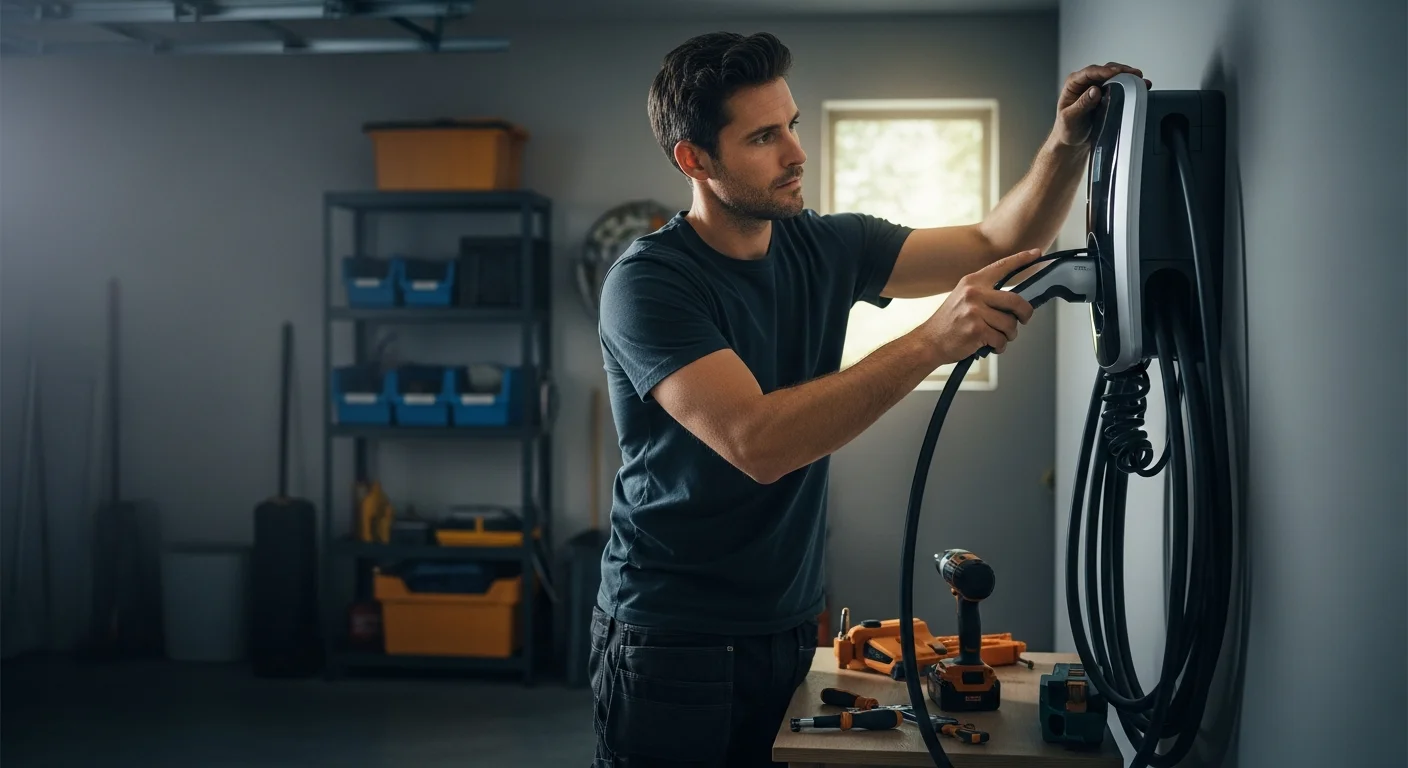
Labor remains the most variable factor. In Orange County, licensed electricians typically charge between $500 and $1,500 for a standard installation. This includes the circuit breaker, wiring, and the mounting of the station. City permits are mandatory and usually add another $100 to $300 to your total home EV charging station cost.
Level 1 vs Level 2: Which Car Charger is Right for Your Home?
The Limitations of Level 1
Level 1 charging uses a standard 120V outlet. While it requires no installation cost, it is often EV charging at home too slow for modern batteries with 300+ miles of range. It adds only about 3-5 miles of range per hour, which rarely meets the needs of daily commuters in 2026.
Why Level 2 is the Standard
A Level 2 setup requires a 240V circuit, similar to a clothes dryer. This allows for full charging overnight, adding 25-40 miles of range per hour. When considering is a level 2 charger worth it, most homeowners find the convenience and increased vehicle readiness easily justify the upfront investment.
| Charging Level | Voltage | Miles Per Hour | Install Cost |
|---|---|---|---|
| Level 1 | 120V | 3-5 miles | $0 |
| Level 2 | 240V | 25-40 miles | $800 - $2,500 |
Save on your Level 2 upgrade today.
Calculate Your Rebate Eligibility →Navigating EV Charger Rebates Orange County 2026
Federal Tax Credits
The Alternative Fuel Vehicle Refueling Property Credit remains a significant benefit for homeowners. According to the IRS documentation, qualifying residents can claim 30% of the hardware and installation cost, up to $1,000, on their federal returns.
Local Southern California Edison Incentives
For residents in Orange County, EV charger rebates Orange County 2026 programs through local utilities like SCE offer additional savings. These programs often provide rebates for "smart" chargers that allow the utility to manage load during peak demand periods in the hot summer months.
Electrical Panel Upgrade for EV Charger Needs
Assessing Your Current Capacity
Many older homes in Orange County were built with 100-amp or 125-amp service. A Level 2 car charger requires a dedicated 40-amp to 60-amp circuit. If your panel is already near capacity with air conditioning and electric appliances, an electrical panel upgrade for EV charger support will be necessary.
Cost of Panel Upgrades in 2026
Upgrading to a 200-amp panel typically adds $2,000 to $4,000 to the project. While this increases the high cost of EV installation initially, it future-proofs your home for additional electric appliances and potentially improves your property value.
How to Use Our Home EV Charging Station Calculator
Simple Input for Accurate Estimates
Our tool is designed to simplify how you calculate EV charging costs. Simply enter your zip code, the distance from your panel to the garage, and your current panel capacity. The calculator cross-references current 2026 local labor rates and active rebate programs.
Comparing Hardware Options
Whether you are looking at a Tesla Wall Connector vs universal charger, the tool provides a side-by-side comparison of total costs including any brand-specific adapters or installation requirements peculiar to certain vehicle makes.
Ready to stop guessing about your costs?
Open the Cost Calculator Now →
Frequently Asked Questions
How long does a Level 2 installation take?
Most standard installations are completed within 4 to 6 hours. However, if an electrical panel upgrade or extensive trenching is required, the project may span two days to allow for city inspections.
Can I install the charger myself to save money?
It is highly discouraged to perform a DIY installation due to the high voltage involved. Furthermore, most rebate programs in 2026 require proof of installation by a licensed C-10 electrical contractor to qualify for financial incentives.
Are there still federal tax credits available in 2026?
Yes, the federal government has extended the residential EV charging credit through 2026. You can typically claim up to 30% of your total project costs, capped at $1,000 for residential properties.
Does a home charger work with all EV brands?
By 2026, most manufacturers have standardized around the NACS or J1772 connectors. Universal chargers are available that can charge any vehicle with a simple adapter, ensuring your investment remains relevant even if you switch car brands.
Will my electricity bill skyrocket?
While your usage will increase, charging at home is significantly cheaper than gasoline. By using a smart charger to schedule sessions during off-peak hours (midnight to 6 AM), most OC residents see only a modest increase in their monthly bill.
Conclusion
Investing in a home car charger is one of the most significant upgrades you can make for your electric vehicle experience in 2026. Beyond the daily convenience of waking up to a full battery, the long-term savings from avoiding public charging networks and capitalizing on local rebates make it a financially sound decision. By understanding your home’s electrical capacity and leveraging available incentives, you can minimize the upfront hurdles of installation.
The benefits of home EV charging extend to property value and environmental impact as well. As Orange County continues to lead in green infrastructure, having a modern charging solution in your garage is a competitive advantage for any homeowner. Use our calculator to start your journey with a clear, professional estimate tailored to the unique requirements of the 2026 market.
About the Author

Written by William Corcoran, Orange County Home Savings Expert
William Corcoran has helped Orange County families save money on their homes for over 15 years. Specializing in property tax reduction and smart refinancing, he offers expert guidance you can trust. www.energybot.com www.energystar.gov
Related Articles

Ready to Find Your Savings?
Get a free personalized report showing all rebates and incentives your home qualifies for.
Get My Free Report