Home Charging Station Installation: A Complete Guide to Costs and Electric Vehicle Rebates
Key Takeaways
- Level 2 charging stations are significantly faster than standard wall outlets
- Installation costs vary based on electrical panel capacity and wiring distance
- Local and federal incentives can offset a major portion of equipment costs
- Professional installation ensures compliance with safety codes and permit requirements
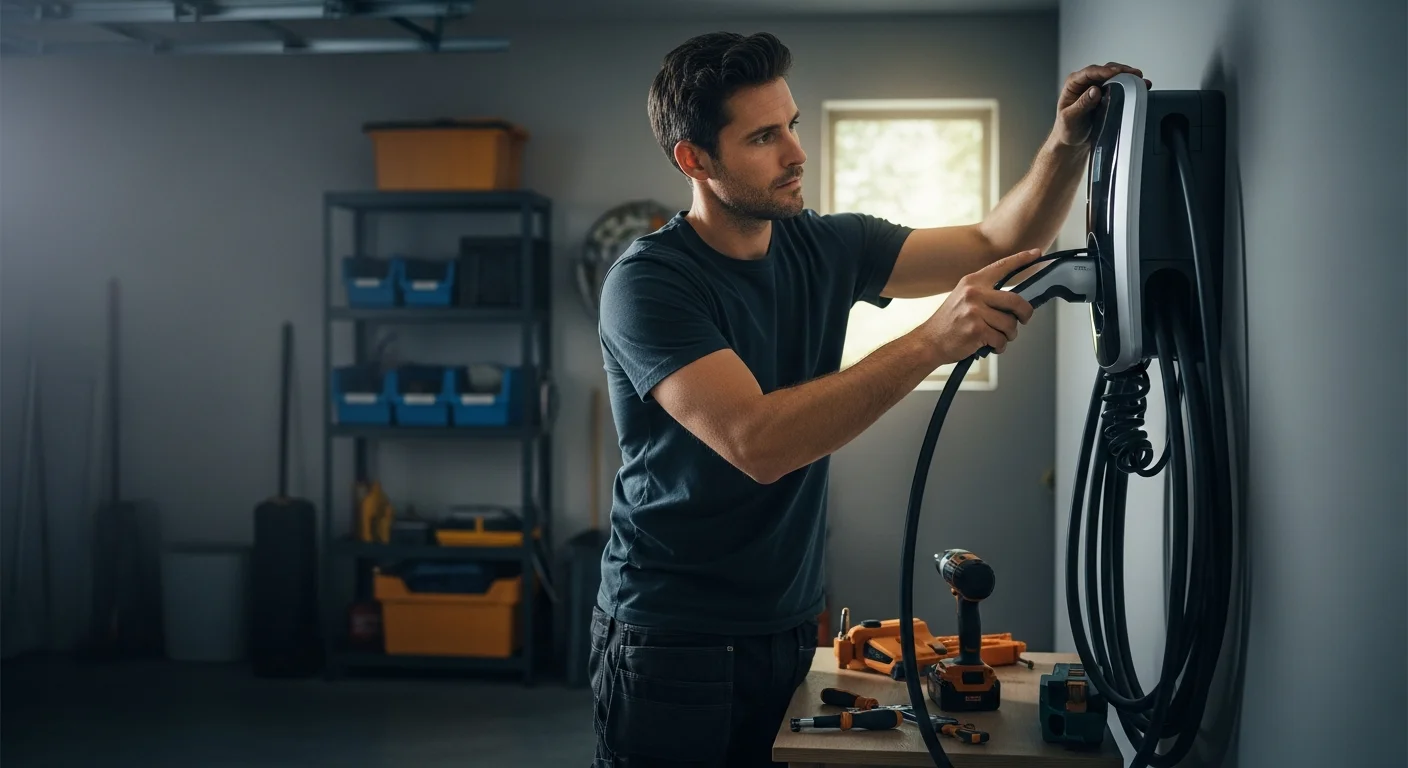
The transition to sustainable transportation is accelerating faster than ever before. For most new owners, the primary concern isn't the drive itself, but the logistics of installing a home ev charger to ensure their vehicle is always ready for the road. Professional planning is the key to avoiding unexpected expenses during this transition.
According to the U.S. Department of Energy, over 80% of electric vehicle charging happens at home. This makes the efficiency and reliability of your home station paramount. By understanding the components of installation, you can maximize your investment while minimizing long-term energy costs.
Ready to estimate your specific setup costs?
Try Our Installation Calculator →Understanding Home Charging Station Installation Costs
EV Charger Installation Calculator
Buy NowHardware vs. Labor Breakdown
The total cost of a home ev charger setup cost is generally split between the equipment and the professional labor required for installation. High-quality Level 2 stations typically range from $400 to $900, depending on smart features and cable length.
Electrical Panel Requirements
If your home's electrical panel is outdated, you may need an upgrade to handle the 40-50 amp load required for fast charging. This can add significant cost but is essential for safety and home value. As noted by National Fire Protection Association (NFPA), proper circuit protection is non-negotiable.
Exploring Electric Vehicle Rebates in California
State and Local Incentives
Residents of Orange County can access specific electric vehicle rebates California offers through utility providers like Southern California Edison. These incentives can often cover the entire cost of the hardware or a portion of the permit fees.
Federal Tax Credits
The IRS provides a tax credit for residential fueling equipment, which includes home installations. This credit can reduce your federal tax liability by up to 30% of the total installation and hardware price.
How to Choose the Best Home Charger for Electric Cars
Smart vs. Dumb Chargers
Smart chargers allow you to monitor energy usage and schedule charging during off-peak hours when electricity rates are lower. This is one of the primary level 2 charging station benefits that leads to long-term savings.
| Charger Type | Best For | Typical Speed |
|---|---|---|
| Level 1 (120V) | Plug-in Hybrids | 3-5 miles/hour |
| Level 2 (240V) | Full Battery EVs | 25-40 miles/hour |
Unsure which equipment fits your home?
Get an Instant Quote →Safety and Permits for Your EV Charger Setup
Why Permits Matter
Filing for a permit ensures that your installation is inspected by local building officials. This verification is crucial for homeowner's insurance and future property sales, confirming that the ev charger was installed according to code.
Professional Electrician Requirements
Licensed professionals ensure your wiring can handle continuous high-draw electricity without overheating. This is not a project for DIY enthusiasts due to the high voltage involved.
Estimating Level 2 Charging Station Benefits
Charging Speed and Efficiency
A Level 2 station charges your vehicle up to 10 times faster than a standard outlet. This efficiency allows you to fully charge overnight, regardless of your daily mileage. According to research from the EPA, home charging is the most cost-effective way to fuel an EV.
Home Value Appreciation
As more drivers switch to electric, a pre-installed charging station becomes a sought-after feature for homebuyers. It differentiates your property in a competitive real estate market.
Stop guessing at your installation costs.
Access the Calculator Now →Frequently Asked Questions
How much does a typical Level 2 installation cost?
On average, most homeowners spend between $800 and $2,000 for both parts and labor. The price varies significantly based on the distance between your breaker panel and the charging location.
Can I use a standard 120V outlet for my EV?
Yes, this is known as Level 1 charging. However, it is very slow, often taking 24 hours or more to charge a battery fully, making it impractical for most daily commuters.
What are the main rebates available in Orange County?
The primary incentives include the Federal 30% tax credit and SCE rebates that can range from $500 to $1,500 depending on current programs and income eligibility.
Do I need a permit for a home installation?
In almost all jurisdictions, a permit is required for adding a 240V circuit. This ensures that the installation is safe and complies with all local building codes.
Will a charger work with any brand of electric car?
Most Level 2 chargers use the J1772 connector, which is the industry standard for North America. Tesla vehicles use a proprietary connector but come with an adapter to use standard chargers.
The Future of Home Charging
Investing in a home station is about more than just convenience; it is about future-proofing your residence and contributing to a cleaner environment. By utilizing an accurate ev charger installation calculator, you can remove the guesswork from the process and ensure you are taking full advantage of all available financial incentives.
Whether you are a new EV owner or planning for a future purchase, understanding the intersection of hardware, labor, and rebates is essential. Take the time to audit your current electrical system and research local programs to ensure your transition to electric driving is as smooth as the ride itself.
About the Author

Written by William Corcoran, Orange County Home Savings Expert
William Corcoran has helped Orange County families save money on their homes for over 15 years. Specializing in property tax reduction and smart refinancing, he offers expert guidance you can trust. www.energybot.com www.energystar.gov
Related Articles
Ready to Find Your Savings?
Get a free personalized report showing all rebates and incentives your home qualifies for.
Get My Free Report