Home Charging Station Costs 2026: How to Save on Electric Vehicle Installation with Rebates
Key Takeaways
- Home charging costs in 2026 are significantly offset by local and federal tax incentives.
- Upgrading to a Level 2 station can improve charging speeds by up to eight times over standard outlets.
- Rebate eligibility often depends on your specific utility provider and residential electrical capacity.
- Utilizing a cost calculator provides a localized estimate for electrical labor and hardware needs.
As we enter Winter 2026, the transition to sustainable transportation has accelerated, making home energy management a priority for many homeowners. For new electric vehicle owners, installing a high-speed EV charger is no longer just a luxury—it is a critical upgrade for daily convenience and long-term vehicle health.
Navigating the complexities of electrical permits, panel upgrades, and incentive programs can be daunting. This guide explores the current landscape of home charging technology and how homeowners can maximize their return on investment through strategic planning and professional tools.
Home Charging Station Costs 2026
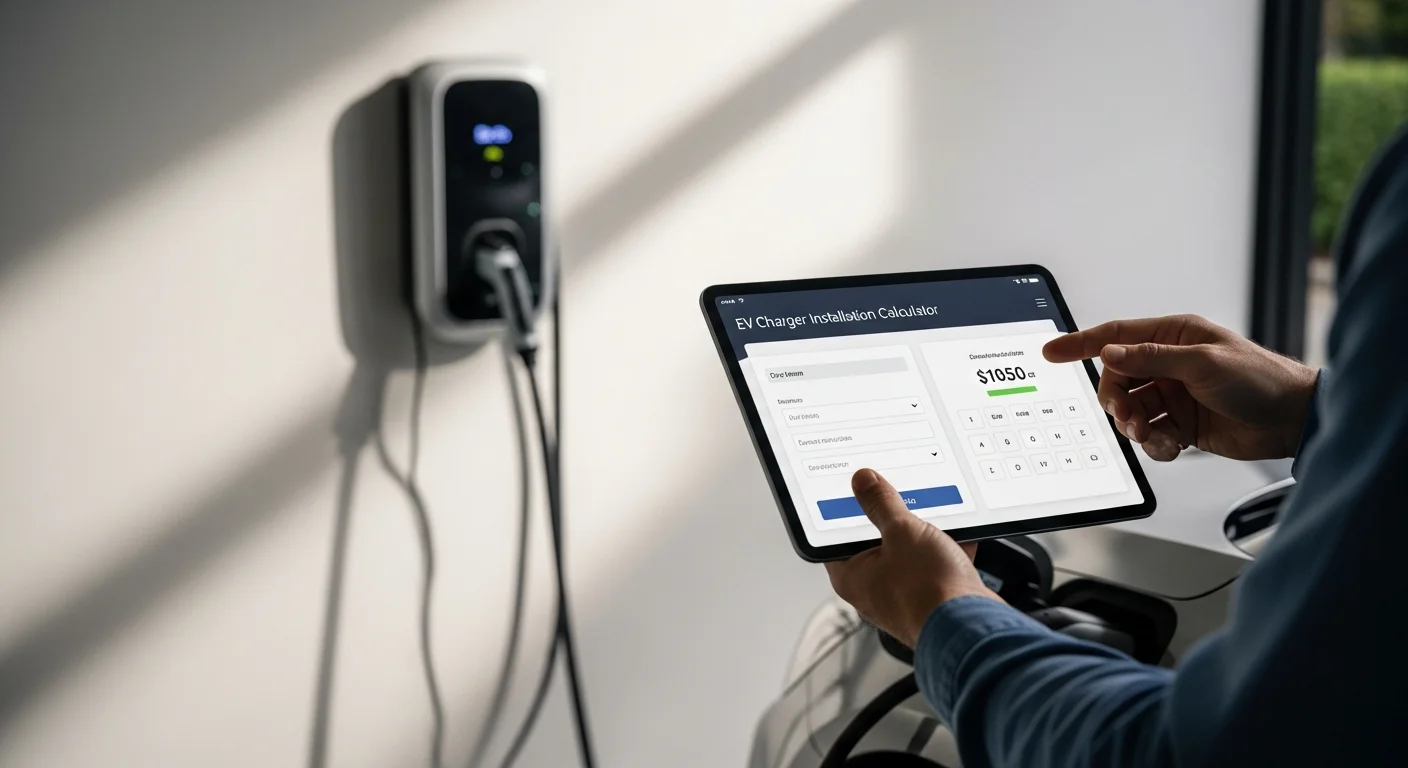
EV Charger Installation Calculator
Buy NowUnderstanding the budget for a residential charging project is the first step toward electrification. In 2026, average costs have stabilized as hardware technology matures, though labor costs vary by region.
Hardware Expenses
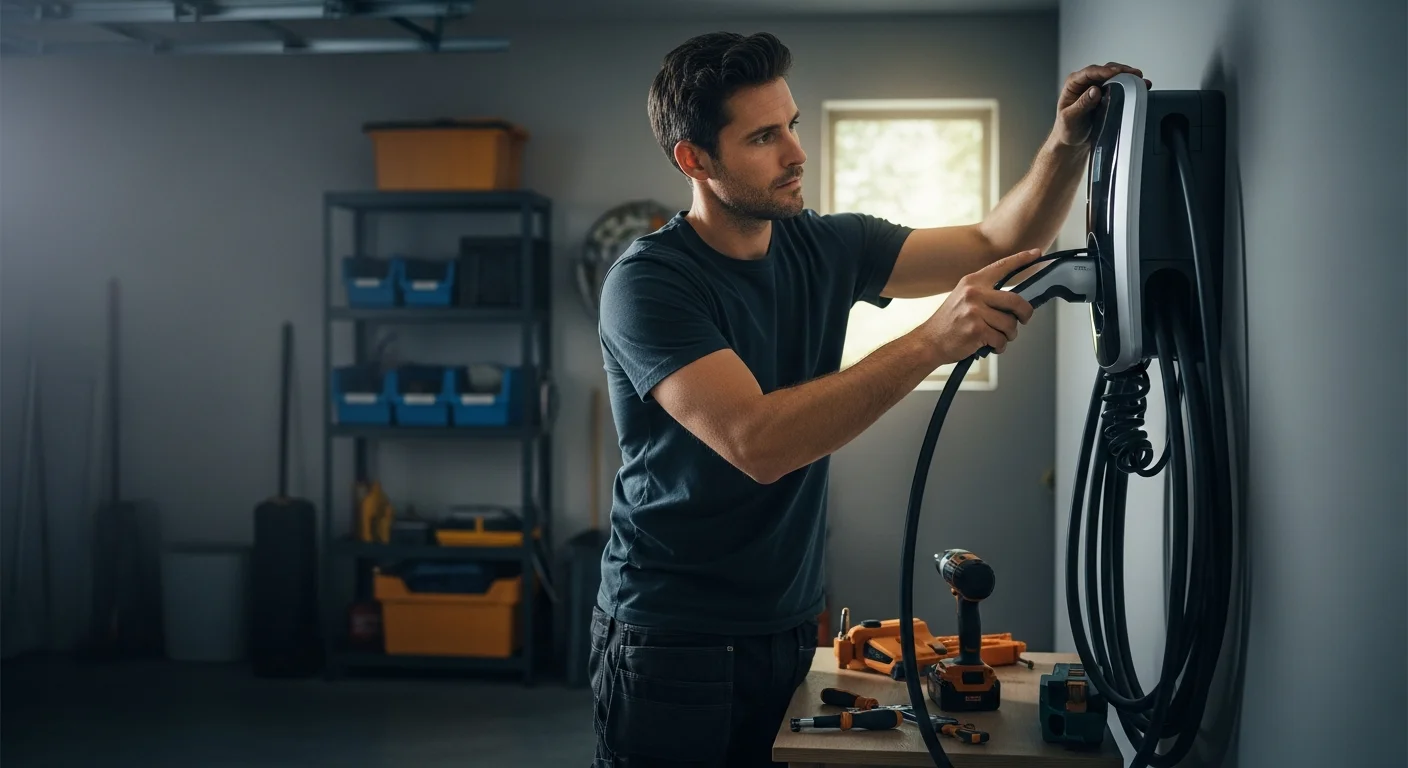
Smart charging units now feature advanced load management and Wi-Fi connectivity as standard. Prices for a high-quality Level 2 unit generally range from $500 to $900, depending on cable length and amperage ratings.
Labor and Electrical Upgrades
Installation labor typically accounts for 40-60% of the total project price. If your home requires a main panel upgrade to handle a 50-amp circuit, expect additional expenses for parts and specialized labor.
Level 1 vs Level 2 Charging Speed
Efficiency is the primary driver for homeowners moving beyond the standard three-prong outlet. According to the U.S. Department of Energy, Level 2 charging is significantly more time-efficient for modern battery capacities.
Overnight Readiness
Level 1 chargers provide approximately 3 to 5 miles of range per hour of charging. In contrast, Level 2 systems provide 25 to 40 miles of range per hour, ensuring a full battery every morning regardless of the previous day's driving.
Efficiency Gains
Higher voltage charging isn't just faster; it's often more efficient. Level 2 stations minimize energy loss during the AC-to-DC conversion process compared to lower voltage alternatives.
Want an accurate estimate for your home installation?
Try Our Installation Calculator →EV Charging Rebate Eligibility
One of the most overlooked aspects of installation is the availability of financial incentives. Many residents in Orange County can qualify for substantial savings through utility-sponsored programs.
Local Utility Incentives
Based on data from Southern California Edison, customers may receive rebates for panel upgrades and specific smart charger models that support time-of-use rates.
Federal Tax Credits
The 30C Alternative Fuel Infrastructure Tax Credit remains a vital resource in 2026. This allows eligible homeowners to claim a significant percentage of their hardware and installation costs on their federal tax return.
Solving the High Cost of EV Charging Installation
While the initial investment can seem high, several strategies can bring the net cost down to a manageable level. Smart planning prevents redundant electrical work and permit delays.
Professional Site Assessments
A qualified electrician can identify if your current service is sufficient for a 240V circuit. Avoiding a full panel replacement by using load-shedding devices is a common way to save thousands.
Comparison Shopping for Hardware
Prices for your specific EV charger model can fluctuate based on seasonal promotions and inventory levels. Always check for certified refurbished options or manufacturer discounts.
Discover local rebates available in your zip code.
Check Your Rebate Eligibility →Selecting the Right EV charger for Your Home
Not all charging stations are created equal. In 2026, the market offers a wide variety of features tailored to different vehicle brands and smart home ecosystems.
Hardwired vs. Plug-In Units
Hardwired installations allow for higher amperage (up to 48 or 80 amps) and better weather resistance. Plug-in models (NEMA 14-50) offer portability if you plan on moving in the near future.
Smart App Integration
Modern systems allow you to schedule charging during off-peak hours when electricity rates are lowest. This automated approach ensures you never pay more than necessary for your fuel.
| Charging Type | Typical Cost (2026) | Miles Added Per Hour |
|---|---|---|
| Level 1 (120V) | $0 (Included with Car) | 3-5 miles |
| Level 2 (240V) | $1,200 - $2,500 (Installed) | 25-40 miles |
Calculating Your Savings with Modern Tools
Before committing to a contractor, it is essential to use a standard EV charger setup cost estimator. These tools take into account your specific location and home configuration to provide a realistic budget.
Data-Driven Estimating
By inputting your home's age and proximity of the electrical panel to the garage, you can receive a breakdown of potential labor and material costs that are specific to the Winter 2026 market.
Rebate Discovery
Calculators often include integrated databases of current local incentives, ensuring you don't leave money on the table when filing for your electrical permits.
Calculate your total installation costs and savings today.
Go to Cost Calculator →
Frequently Asked Questions
How much does it cost to install an EV charger at home in 2026?
On average, homeowners spend between $1,200 and $2,500 for a complete Level 2 installation. This includes the hardware, electrical labor, and permit fees, though panel upgrades can increase this total.
Are there still federal tax credits for home chargers?
Yes, the federal tax credit for alternative fuel infrastructure is still active in 2026, allowing you to claim 30% of the cost of hardware and installation up to $1,000.
Can I install a Level 2 charger myself?
While plug-in models are simple, the dedicated 240V circuit must be installed by a licensed professional to meet local building codes and ensure safety. DIY electrical work can void your home insurance or vehicle warranty.
Do all electric vehicles use the same plug?
Most manufacturers in North America have transitioned to the NACS (North American Charging Standard) by 2026, though J1772 adapters are still widely available for older models.
How long does the typical installation take?
The physical installation usually takes between 4 and 6 hours. However, the permitting process through your local city government can take anywhere from a few days to two weeks.
Investing in a quality EV charger for your daily commute is one of the most effective ways to reduce your carbon footprint and monthly energy bills. By leveraging modern technology and regional rebates, the cost of entry is lower than ever before.
As we look ahead through 2026, home charging will continue to integrate with solar and battery storage systems, providing even greater energy independence. Start your journey today by accurately assessing your home's needs and taking full advantage of the savings available in your community.
About the Author

Written by William Corcoran, Orange County Home Savings Expert
William Corcoran has helped Orange County families save money on their homes for over 15 years. Specializing in property tax reduction and smart refinancing, he offers expert guidance you can trust. www.energybot.com www.energystar.gov
Related Articles

Ready to Find Your Savings?
Get a free personalized report showing all rebates and incentives your home qualifies for.
Get My Free Report