How to Calculate Home Electric Vehicle Charging Costs: 2026 Guide to Installation Rebates and Benefits
Key Takeaways
- Level 2 charging stations typically require a 240 volt circuit and professional installation
- Local Orange County rebates can offset equipment and labor costs by several hundred dollars
- Federal tax credits for energy efficient home upgrades have been extended through the 2026 fiscal year
- The age and capacity of your electrical panel are the primary drivers of total installation expense
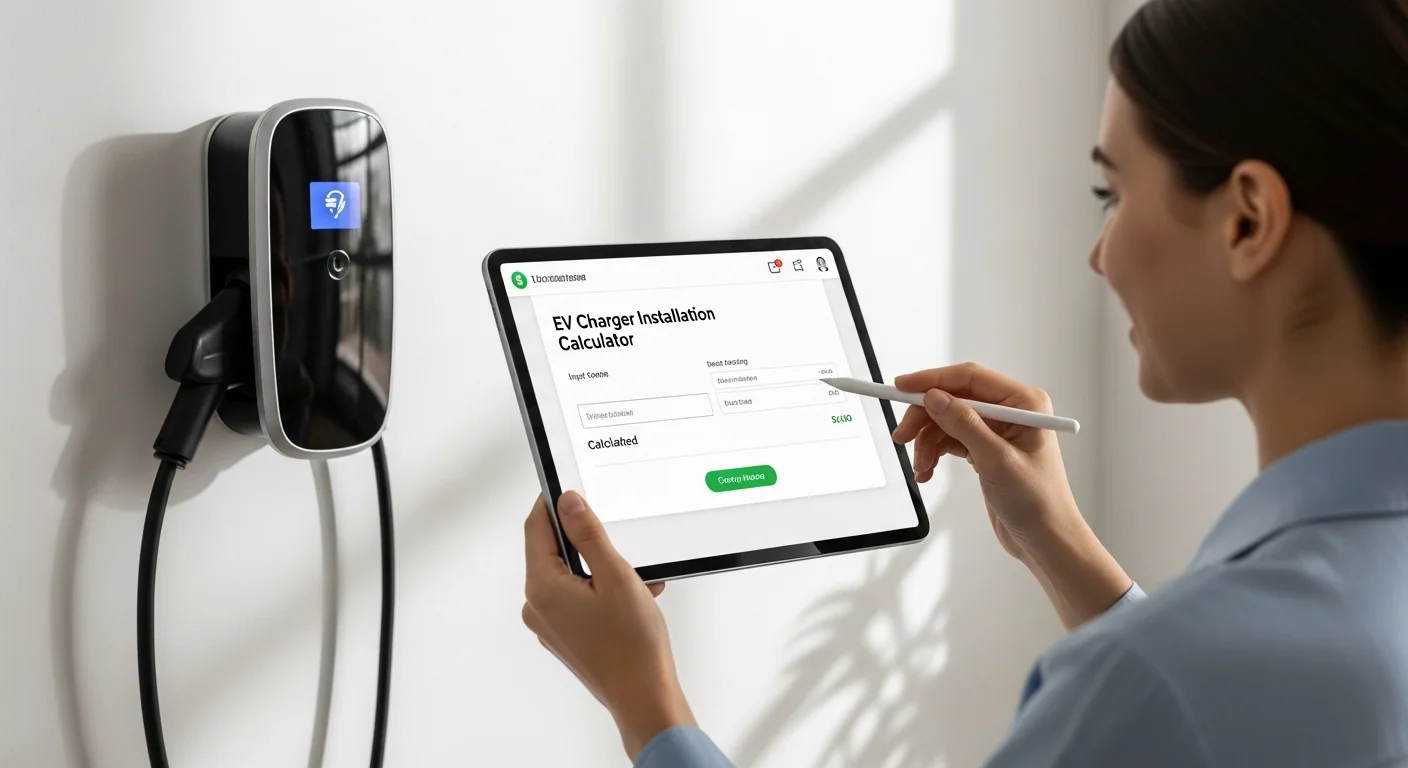
As we enter Spring 2026, the shift toward sustainable transportation has reached an all-time high in Southern California. For many new owners, installing a home ev charger is now the standard first step toward achieving total energy independence. While the convenience of waking up to a full battery is unmatched, navigating the upfront costs and technical requirements can feel overwhelming without a clear roadmap.
According to the U.S. Department of Energy, residential charging accounts for over 80% of all vehicle refueling. This guide will break down exactly how to use our calculator tool to estimate your project total, ensuring you maximize every available incentive in the Orange County area.
Home Electric Vehicle Charging Costs: What to Expect in 2026
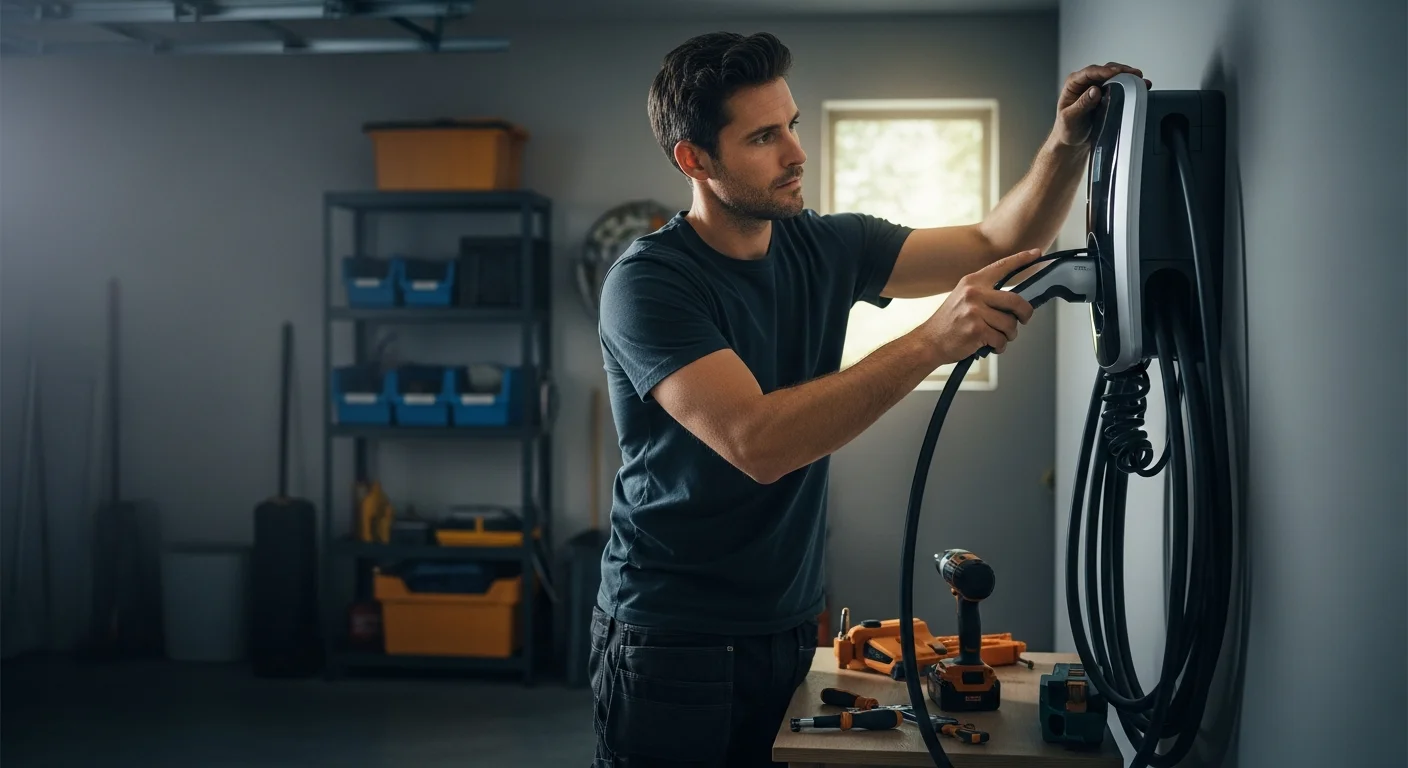
EV Charger Installation Calculator
Buy NowHardware and Equipment Pricing
The cost of the hardware itself has stabilized significantly this year. Most high-quality Level 2 stations now range between $400 and $800, depending on smart features like Wi-Fi connectivity and load balancing. Choosing a reputable brand ensures longevity and compatibility with the latest vehicle software updates.
Labor and Infrastructure Upgrades
Professional labor remains the most variable factor in your budget. If your garage already has a 240v outlet, installation might only cost a few hundred dollars. However, if your electrical panel requires a full upgrade to support the added load, costs can rise to $2,500 or more. Our calculator helps identify these potential infrastructure hurdles early in the process.
Ready to see your personalized estimate?
Use the Cost Calculator →Choosing the Right ev charger for Your Home in 2026
Smart vs. Basic Charging Units
When selecting your smart ev charger, consider how much data you want to track. Modern units allow you to schedule charging during off-peak utility hours, which can save homeowners in Orange County hundreds of dollars annually on electricity bills. According to Wikipedia's charging station overview, these smart features are becoming essential for grid stability.
Hardwired vs. Plug-In Models
Hardwired units are generally more durable and can support higher amperages, often leading to faster charging times. Plug-in models offer the advantage of portability; if you move, you can simply unplug the unit and take it with you. For a permanent home installation, a hardwired connection is typically recommended by safety experts for a more secure electrical fit.
Level 2 vs Level 1 Home Charging Comparison
| Feature | Level 1 (Standard Outlet) | Level 2 (Professional Station) |
|---|---|---|
| Charging Speed | 3-5 miles per hour | 25-50 miles per hour |
| Voltage Required | 120V | 240V |
| Installation Cost | $0 | $500 - $2,500+ |
Efficiency Benefits of Level 2
While Level 1 is technically free (using the cable that came with your car), it is highly inefficient for modern long-range batteries. A Level 2 station provides a full charge overnight, ensuring you never experience "range anxiety" during your morning commute. The latest 2026 portable ev charger kits are also closing the gap in convenience for travelers.
Want to compare specific charger models side-by-side?
View Top Rated Chargers →EV Charging Station Installation Rebates 2026: Saving Money
Federal Tax Credits
The federal government continues to support residential electrification. According to the IRS guidelines, homeowners may be eligible for a credit up to 30% of the cost of hardware and installation. This remains one of the most effective ways to reduce the net cost of your upgrade in 2026.
Local Orange County Utility Rebates
Local utilities such as Southern California Edison often provide targeted rebates for installing energy-efficient equipment. These programs are frequently updated in the Spring season, making March 2026 an ideal time to check for new funding. Our tool automatically tracks these regional incentives to give you the most accurate net-cost projection.
Common Electric Car Charger Installation Problems to Avoid
Inadequate Electrical Panel Capacity
One of the most frequent issues homeowners face is a panel that cannot handle an additional 40 or 50 amp circuit. Trying to force a high-draw appliance onto an overloaded system is a significant fire hazard. Always have a professional perform a load calculation before purchasing your equipment.
Permitting and Compliance Issues
Many DIY enthusiasts forget that installing a new 240v circuit requires a city permit in most Orange County jurisdictions. Skipping this step can lead to fines and complications when you eventually try to sell your home. Ensure your installer handles all local documentation to maintain your home's value and safety compliance.
Not sure if your panel is ready? Use our diagnostic tool.
Start Your Assessment →Hiring an Electrician for EV Charger Setup
Verifying Specialized Experience
Not all electricians are specialists in vehicle charging infrastructure. When interviewing contractors, ask about their experience with specific brands and their knowledge of NEC (National Electrical Code) requirements for continuous load appliances. This expertise ensures your system runs cool and efficient for years.
Getting Competitive Quotes
We recommend getting at least three written estimates. A transparent quote should include the cost of the circuit breaker, wire gauge specifics, labor hours, and permit fees. Using an expert-vetted professional from the Energy.gov partner list can provide additional peace of mind.
Frequently Asked Questions
How long does it take to install a Level 2 station?
A standard installation usually takes between 3 to 6 hours. If your electrical panel is far from the garage or requires an upgrade, the process could take a full day. Most professionals can provide a timeline after a quick visual inspection of your home's layout.
Can I install a home charging station myself?
While a plug-in unit can be mounted by a homeowner, the actual 240v outlet installation should always be performed by a licensed electrician. Electrical vehicle charging is a high-power, continuous load that requires specific safety protocols to prevent overheating and fire risks.
Will a home charger increase my property value?
Yes, real estate trends in 2026 show that homes with pre-installed EV infrastructure are highly desirable for modern buyers. It is often viewed as a premium "move-in ready" feature, similar to upgraded solar panels or smart home automation systems.
What is the best amperage for a home charger?
A 40-amp or 48-amp charger is currently the "sweet spot" for most residential needs. This provides enough power to charge almost any vehicle from empty to full overnight without requiring the massive infrastructure of a commercial-grade fast charger.
Do I need to notify my utility company?
It is highly recommended to notify them, as many companies offer specialized EV charging rates. These "Time of Use" plans can significantly lower your per-kWh cost when you charge during the late night or early morning hours.
Conclusion
Investing in a home charging solution is one of the most practical upgrades you can make for your vehicle and your property in 2026. By understanding the core costs and leveraging regional rebates, you can transition to electric driving with confidence and financial clarity.
The key to a successful project lies in early planning. Use our calculator to determine your potential savings, and don't hesitate to reach out to a professional to verify your home's electrical readiness. Start the process of setting up your ev charger today and enjoy the peace of mind that comes with reliable, cost-effective home refueling.
About the Author

Written by William Corcoran, Orange County Home Savings Expert
William Corcoran has helped Orange County families save money on their homes for over 15 years. Specializing in property tax reduction and smart refinancing, he offers expert guidance you can trust. www.energybot.com www.energystar.gov
Related Articles
Ready to Find Your Savings?
Get a free personalized report showing all rebates and incentives your home qualifies for.
Get My Free Report