2026 Guide to Home Electric Vehicle Charging: Installation Costs and Rebates
Key Takeaways
- Level 2 charging stations are the standard for efficient home charging in 2026
- Installation costs vary based on your electrical panel capacity and charger proximity
- Orange County residents can access significant local and state rebates this Spring
- Smart chargers now offer vehicle-to-grid capabilities to lower monthly utility bills
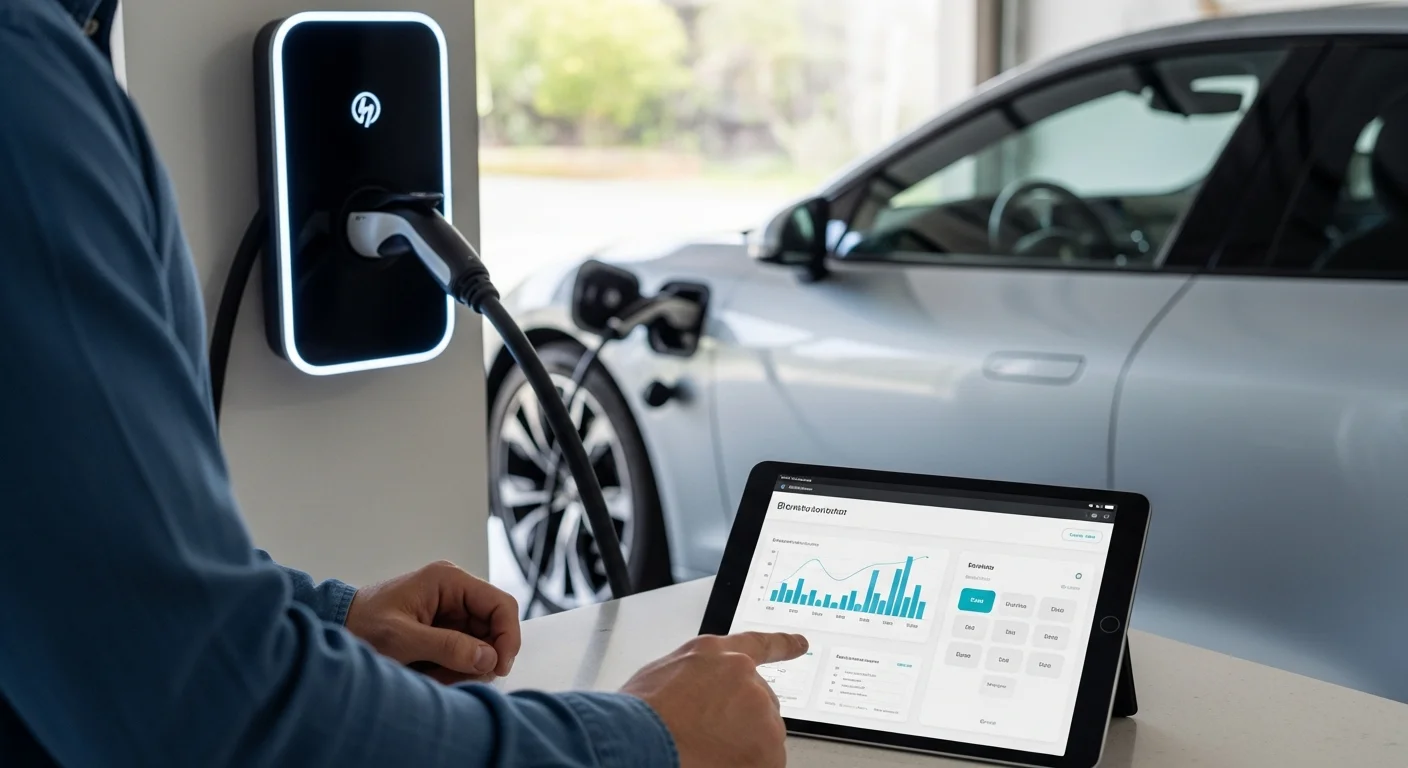
As we move further into the Spring 2026 season, electric vehicle adoption in Orange County has reached record heights. For new owners, the most critical step is transitioning from public plugs to a dedicated home setup. If you are considering purchasing an ev car charger for your residence, understanding the landscape of modern hardware and local incentives is essential for a cost-effective installation.
Home charging offers unparalleled convenience, allowing you to wake up to a full battery every morning. However, the initial setup involves more than just plugging in a cord. From electrical panel assessments to navigating the latest utility rebates, our goal is to simplify the process for every homeowner in the OC area.
Ready to estimate your setup costs?
Use Our Installation Calculator →Home Charging Station Installation Costs 2026
EV Charger Installation Calculator
Buy NowHardwiring vs. Plug-in Models
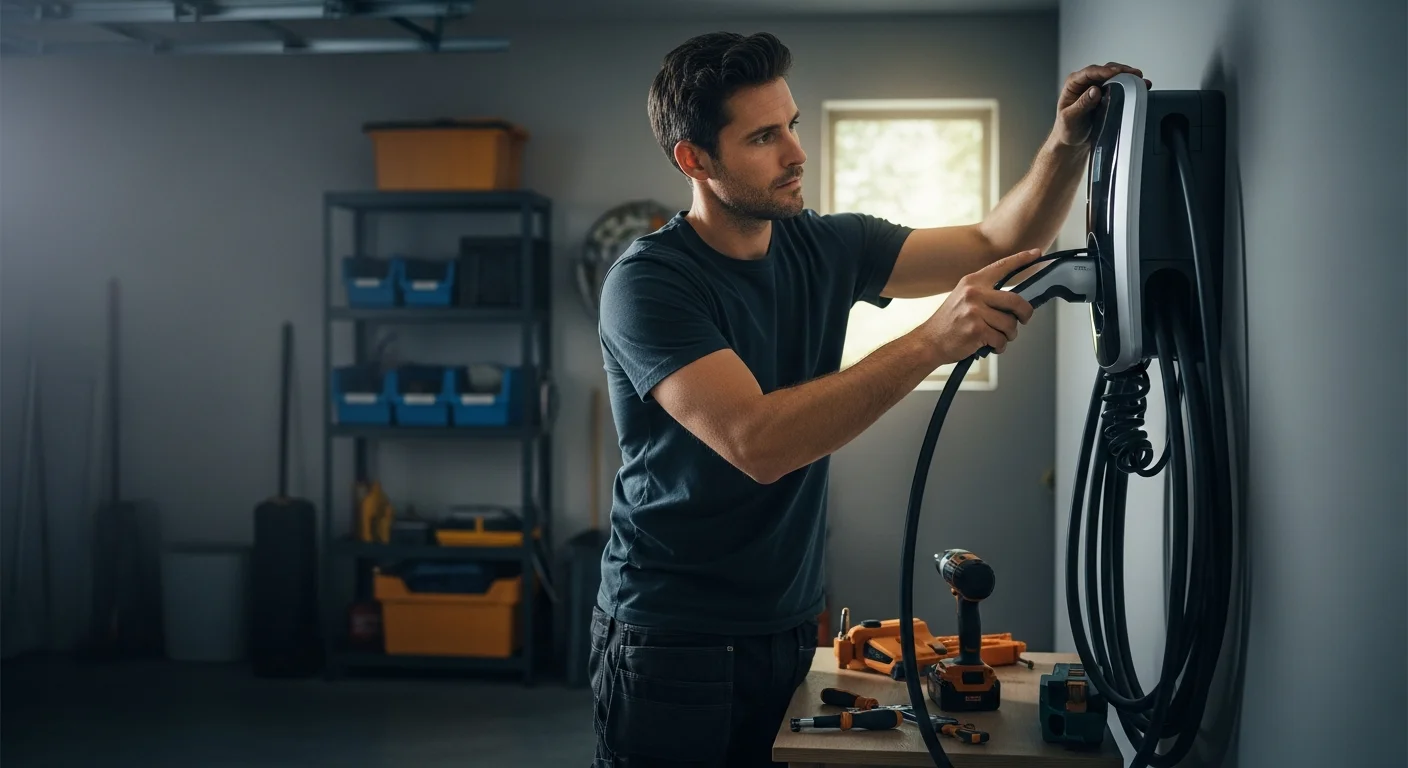
In the 2026 market, homeowners must choose between hardwired units and NEMA 14-50 plug-in chargers. Hardwired installations are often preferred for their higher power delivery, supporting up to 48 or 80 amps. Plug-in models offer flexibility but are typically capped at 40 amps to ensure safety on standard outlets.
Labor and Permitting Fees
According to the U.S. Department of Energy, labor accounts for nearly 40% of total installation costs. In Orange County, professional electricians charge based on the complexity of the run from your electrical panel to the garage. Permitting is a legal requirement that ensures your home insurance remains valid.
Understanding Level 2 Charging Station Requirements
The 240V Circuit Necessity
A standard 120V outlet provides Level 1 charging, which is often too slow for modern EVs with large batteries. A dedicated 240V circuit is the foundation of a Level 2 setup, providing 3-7 times faster charging speeds. This allows for a full recharge in 4 to 8 hours depending on the vehicle model.
Load Management Systems
If your electrical panel is nearly full, Spring 2026 technology offers smart load management. These systems monitor your home's total energy consumption and throttle the charger during peak appliance usage. This can save you thousands by avoiding a full service panel upgrade.
How to Install an EV Car Charger Safely
Site Assessment and Preparation
The first step in any professional ev car charger project is a load calculation. An expert will verify that your current service can handle the additional 40-60 amps without tripping the main breaker. Selecting the right ev car charger depends on your daily mileage and the onboard charger capacity of your vehicle.
Professional Wire Routing
Wiring must be housed in conduit to meet the National Electrical Code. According to Wikipedia's charging station overview, proper thermal management of the wiring is crucial for sustained high-current delivery. Modern ev car charger units now include WiFi connectivity to sync with your local utility provider.
Want to see how much you could save with local incentives?
Calculate Your Potential Rebate →Orange County EV Charger Rebates and Incentives
Local Utility Programs
Southern California Edison (SCE) continues to offer substantial incentives for residential customers in 2026. According to the Southern California Edison official site, their Charge Ready Home program can cover a portion of the hardware and installation costs for qualifying residents.
Federal Tax Credits
The Alternative Fuel Vehicle Refueling Property Credit remains a powerful tool for reducing the net cost of your installation. Based on data from the Environmental Protection Agency (EPA), this credit can reimburse up to 30% of the equipment and labor costs, capped at a specific dollar amount for residential properties.
Calculating Your Residential EV Charging Station ROI
| Expense/Benefit | 2026 Estimated Impact |
|---|---|
| Hardware Cost | $500 - $1,200 |
| Installation Labor | $800 - $2,500 |
| Potential Rebates | Up to $1,500+ |
| Annual Fuel Savings | $1,200 - $2,400 |
Time-of-Use (TOU) Rates
By charging during off-peak hours (usually overnight), Orange County homeowners can significantly reduce their price-per-mile. Most 2026 EVs allow you to schedule charging via an app, ensuring you only pull power when electricity is at its cheapest rate.
Smart EV Charger Features for Spring 2026
Bi-directional Charging Capabilities
The latest Spring 2026 models are moving toward Vehicle-to-Home (V2H) technology. This allows your car to act as a backup battery for your house during power outages, a feature becoming increasingly popular in California's grid-conscious landscape.
Solar Integration
According to South Coast AQMD, integrating your charger with a solar PV system maximizes environmental benefits. Modern smart chargers can prioritize "solar-only" charging, ensuring your vehicle runs entirely on renewable energy generated on your roof.
Ready to join the green energy revolution in Orange County?
Access the Calculator Tool →
Frequently Asked Questions
How much does a Level 2 installation cost in 2026?
On average, most Orange County homeowners spend between $1,200 and $2,800 for a complete Level 2 setup. This include the charging hardware, professional electrical labor, and required city permits.
Do I need to upgrade my electrical panel?
Not necessarily. While older homes with 100-amp service may require an upgrade, many modern systems can utilize smart load shedding devices to safely add a charger without a full panel overhaul.
Are there still federal tax credits available for chargers?
Yes, the federal government currently offers a credit for 30% of the hardware and installation costs. Be sure to keep all receipts and your final inspection report for your annual tax filing.
Can I install a charger myself?
It is highly discouraged. Working with 240V electricity is dangerous, and most jurisdictions require a licensed electrician to pull permits to ensure the installation is up to current building codes.
How long does the installation take?
A standard installation typically takes 4 to 6 hours once the electrician is on-site. However, the permit approval process with your local Orange County city office can take several days to a few weeks.
Conclusion
Navigating the installation of a home charging system is a significant milestone in your transition to sustainable transportation. By leveraging the latest 2026 technology and local Orange County incentives, you can create a charging hub that is both efficient and economical. Investing in a high-quality ev car charger ensures that your vehicle is always ready for the road while increasing the long-term value of your property.
Don't leave your savings to chance. The landscape of rebates and hardware costs changes rapidly, and staying informed is your best defense against overpaying. Whether you are a first-time EV owner or looking to upgrade an existing setup, professional guidance is the key to a safe and successful installation.
About the Author

Written by William Corcoran, Orange County Home Savings Expert
William Corcoran has helped Orange County families save money on their homes for over 15 years. Specializing in property tax reduction and smart refinancing, he offers expert guidance you can trust. www.energybot.com www.energystar.gov
Related Articles
Ready to Find Your Savings?
Get a free personalized report showing all rebates and incentives your home qualifies for.
Get My Free Report