Roof Replacement Cost Guide 2026: Calculating Roof Slope and Pitch for Maximum Savings
Key Takeaways
- Roof pitch is a critical factor in determining the total cost of materials and labor for 2026 projects
- Accurate measurements allow homeowners to qualify for specific cool roof rebates available this Spring 2026
- Safety is paramount when measuring from a ladder and professional tools provide the highest accuracy
- Using an online calculator can simplify the estimation process for Orange County residents
- Why Roof Pitch Matters in 2026
- Common Methods for Figuring the Pitch of a Roof
- Roofing Pitch vs. Slope Explained
- Impact of Steepness on Replacement Costs
- Leveraging Modern Roof Calculators
- Frequently Asked Questions
As we move into the Spring 2026 roofing season, homeowners in Orange County are increasingly looking for ways to improve energy efficiency. Understanding the geometry of your home is the first step toward a successful renovation. For most homeowners, figuring the pitch of a roof is the most daunting part of the planning phase, yet it is essential for obtaining an accurate quote.
Whether you are considering a transition to cool roof technology or simply need to replace aging shingles, the steepness of your roof dictates everything from material selection to safety requirements. According to the National Roofing Contractors Association, pitch is defined as the vertical rise over the horizontal run, typically expressed as a ratio per 12 inches.
Ready to see how much you can save on your 2026 roof replacement?
Calculate Your Roof Cost Now →Why Roof Pitch Matters in 2026
Roof Replacement Calculator
Buy NowMaterial Compatibility and Performance
Not all roofing materials are suitable for every pitch. For instance, flat roofs require specialized membranes, while steep-slope roofs are ideal for asphalt shingles or clay tiles. In the 2026 market, many high-efficiency cool roof materials have specific slope requirements to ensure proper water drainage and thermal performance.
Qualification for Rebates
Many utility programs in Southern California offer incentives for installing energy-efficient roofing. These programs often distinguish between "low-slope" and "steep-slope" requirements. Knowing your pitch ensures you apply for the correct tier of financial incentives.
Common Methods for Figuring the Pitch of a Roof
The Level and Tape Measure Technique
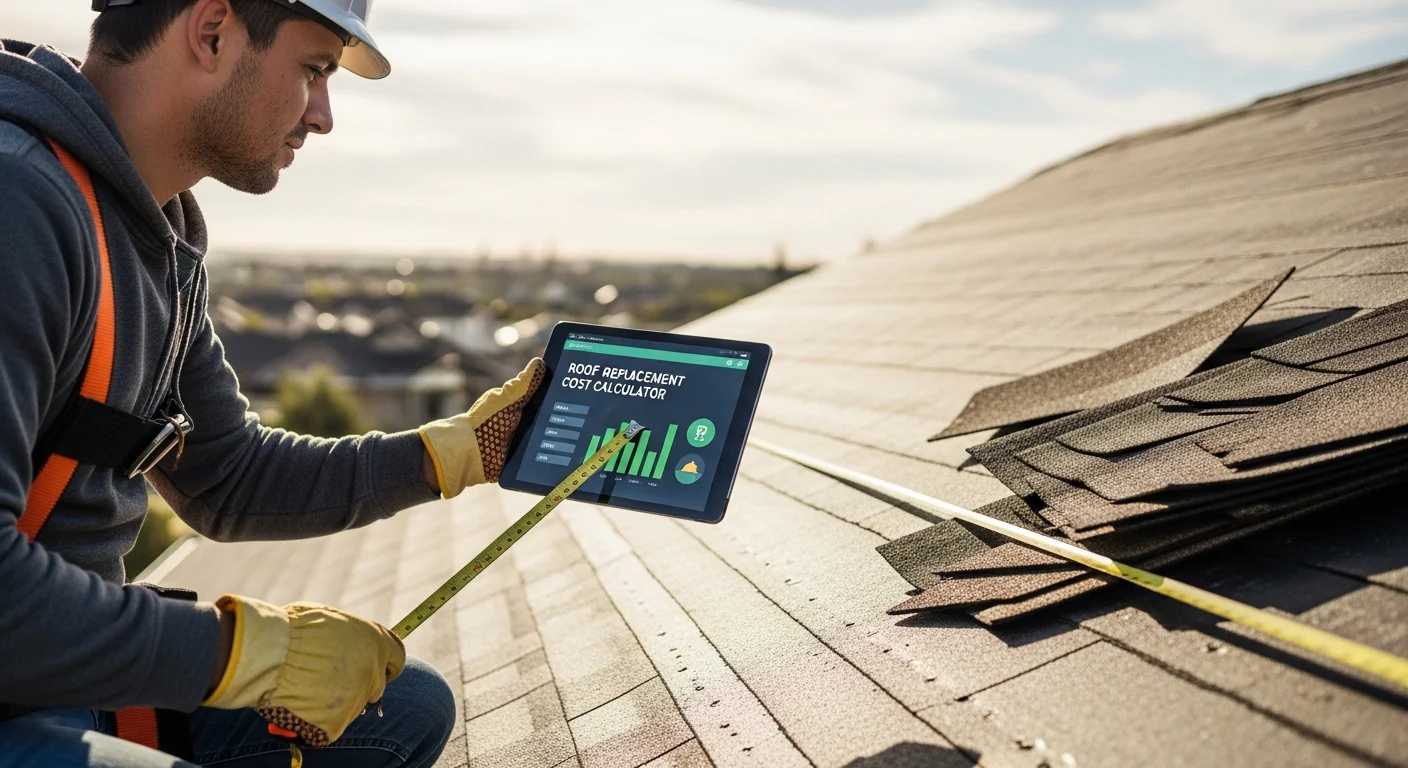
The most traditional method involve using a 12-inch level and a measuring tape. By holding the level perfectly horizontal from the roof surface and measuring the vertical distance from the end of the level down to the roof, you can determine the rise. A 4-inch vertical drop over a 12-inch horizontal run results in a 4/12 pitch.
Measuring from the Attic
If you prefer to stay off a ladder, figuring the pitch of a roof can often be done from inside the attic. You can measure the rise and run of the rafters directly. This method is safer and often more accurate as it avoids the uneven surfaces of old shingles.
Smartphone Inclinometer Apps
In 2026, many homeowners use digital tools. Modern smartphones equipped with gyroscopes can use specialized roofing apps to calculate the angle of a roof simply by placing the phone on the surface or aiming the camera at the gable end.
Looking for specific rebates for your roof type?
Find Orange County Rebates →Roofing Pitch vs. Slope Explained
Defining the Ratio
While often used interchangeably, "pitch" and "slope" have technical differences in professional architecture. Slope is the ratio of the vertical rise to the horizontal run (e.g., 4:12), while pitch is the ratio of the rise to the total span of the building. For most residential estimates, the 12-inch run standard is the industry norm.
Impact on Drainage
Proper pitch is essential for water shedding. According to Energy Star, roofs with a lower slope require more robust waterproofing layers because water moves slower across the surface, increasing the risk of pooling and leaks.
Impact of Steepness on Replacement Costs
| Roof Pitch Category | Labor/Cost Complexity | Safety Requirements |
|---|---|---|
| Flat (0/12 to 2/12) | Standard | Walkable |
| Low to Medium (3/12 to 6/12) | Moderate | Standard Safety |
| Steep (7/12 and above) | High | Harnesses Required |
Labor Surcharges for Steep Slopes
When a roof exceeds a 6/12 pitch, it is no longer considered easily walkable. Contractors must use roof jacks, scaffolding, and safety harnesses. As noted by OSHA safety guidelines, these precautions are mandatory, and the additional time required for setup will increase your labor costs.
Leveraging Modern Roof Calculators
The process of figuring the pitch of a roof doesn't have to be a solo effort. Online calculators can take your basic measurements and provide a comprehensive breakdown of required materials and potential tax credits. This is especially helpful for Orange County residents looking to optimize their home for the 2026 climate.
Ready for an expert assessment of your roof pitch?
Access the 2026 Cost Calculator →Frequently Asked Questions
What is the most common roof pitch for California homes?
Most residential homes in Orange County feature a pitch between 4/12 and 6/12. This range is popular because it allows for effective water runoff while still being relatively safe and affordable to maintain or replace.
How does pitch affect the lifespan of my roof?
Generally, steeper roofs last longer because they shed water, debris, and UV radiation more effectively than flatter roofs. However, they are more exposed to wind damage, which is a factor to consider in some coastal Orange County areas.
Can I change my roof pitch during a replacement?
Changing the pitch of a roof is a major structural undertaking that involves rebuilding the roof frame. While possible, it is significantly more expensive than a standard replacement and requires professional engineering and city permits.
Are there specific cool roof rebates for steep roofs in 2026?
Yes, many 2026 rebate programs offer different incentives based on whether the roof is low-slope or steep-slope. Steep roofs often have higher requirements for Solar Reflectance Index (SRI) to qualify for the best financial returns.
Is figuring the pitch of a roof necessary for solar panel installation?
Absolutely. Solar panel efficiency is highly dependent on the angle of installation. Installers need to know your roof pitch to determine if additional racking is needed to tilt the panels toward the sun for maximum energy production.
Conclusion
Successfully figuring the pitch of a roof is more than just a math exercise; it is a critical component of home maintenance and financial planning for 2026. By understanding the steepness of your home, you can better communicate with contractors, choose the most durable materials, and ensure you are maximizing every available rebate in Orange County.
As we embrace the Spring 2026 season, take the time to measure accurately or consult with a professional who uses the latest diagnostic tools. Whether your goal is a lower utility bill or a more aesthetically pleasing home, a well-calculated roof is the foundation of your success.
About the Author

Written by William Corcoran, Orange County Home Savings Expert
William Corcoran has helped Orange County families save money on their homes for over 15 years. Specializing in property tax reduction and smart refinancing, he offers expert guidance you can trust. www.energybot.com www.energystar.gov
Related Articles


Ready to Find Your Savings?
Get a free personalized report showing all rebates and incentives your home qualifies for.
Get My Free Report