Home EV Charging Station Cost Guide: Maximize Rebates and Efficiency in 2026
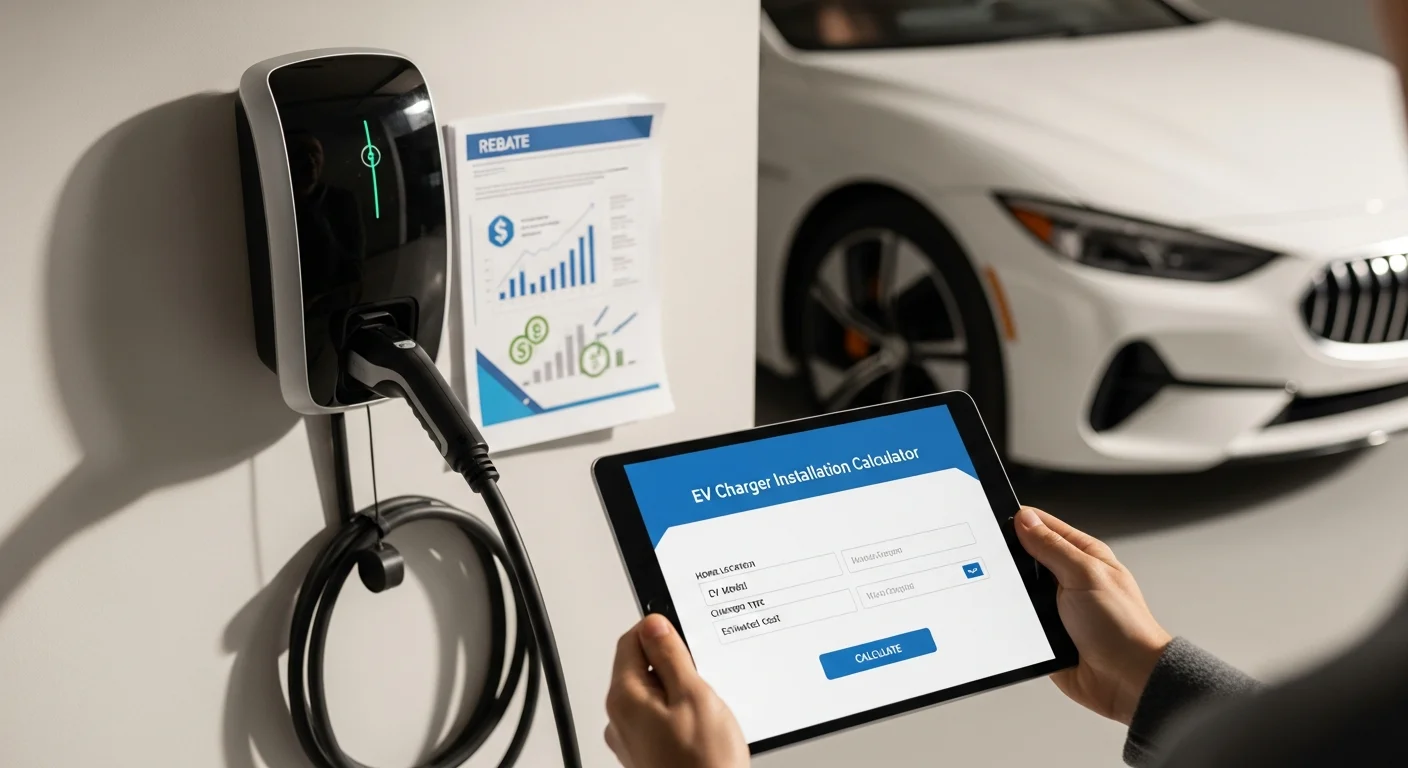
Key Takeaways
- Average Level 2 installation costs in 2026 range from 800 to 2500 dollars before rebates
- Federal and Orange County local incentives can cover up to 50 percent of total project costs
- Upgrading your electrical panel is the most common hidden expense for older homes
- Smart charging stations allow for scheduled charging to utilize lower off-peak utility rates
The transition to sustainable transportation has accelerated rapidly in Winter 2026, making the installation of a dedicated home unit a top priority for new homeowners. Selecting the right electric vehicle charger for your residence is the first step toward enjoying the convenience of fueling your car while you sleep. However, navigating the variables of electrical capacity and local regulations can be daunting without the right data.
At Orange County Home Savings, we understand that budgeting for new technology requires precision. Whether you are a first-time buyer or upgrading an older system, understanding the breakdown of hardware and labor is essential. This guide explores current trends and financial benefits available to Southern California residents today.
Want an instant estimate for your setup?
Use Our Cost Calculator →Understanding Home EV Charging Station Cost
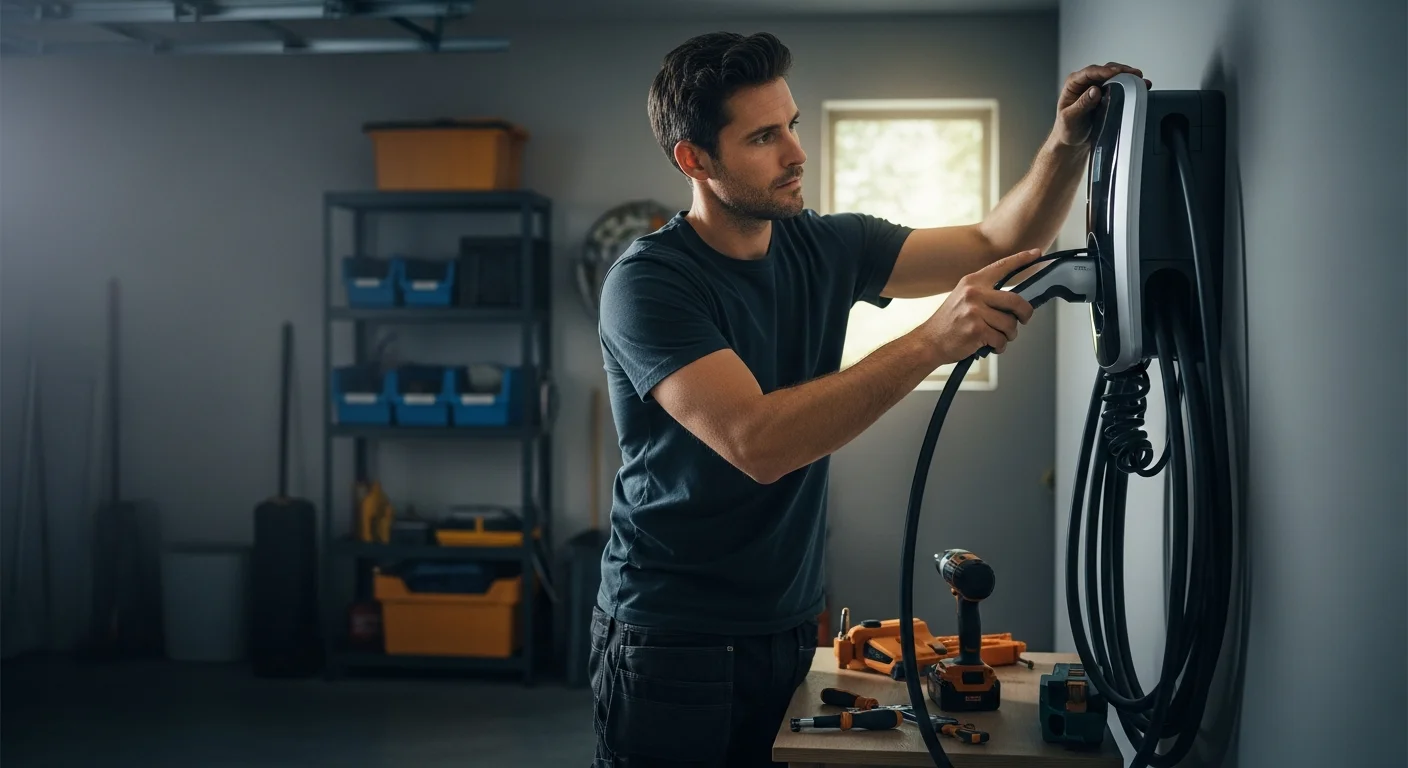
EV Charger Installation Calculator
Buy NowHardware vs. Labor Breakdown
When calculating your home EV charging station cost, you must separate the physical unit from the professional installation. In 2026, high-quality Level 2 wallboxes typically retail between 400 and 900 dollars. Labor costs vary significantly based on the proximity of your garage to your main electrical panel.
Smart Features and Connectivity
Premium chargers now include Wi-Fi connectivity and mobile app integration. These features allow you to monitor energy consumption in real-time. According to the U.S. Department of Energy, smart charging can reduce lifetime costs by optimizing for off-peak energy periods.
Top Incentives for EV Charging Stations in 2026
Federal Tax Credits for Homeowners
The Alternative Fuel Vehicle Refueling Property Credit remains a cornerstone of federal support. Homeowners can often claim a credit for 30 percent of the cost of hardware and installation. Detailed eligibility rules can be found on the official IRS website regarding form 8911.
State and Local Utility Programs
In California, local utility providers like Southern California Edison offer specific incentives for EV charging stations. These may include direct rebates or discounted "Time-of-Use" (TOU) rates that make charging significantly cheaper overnight. Checking your specific zip code is vital as programs are updated seasonally in 2026.
Ready to save on your installation?
Find Local Rebates Now →Choosing an Electric Vehicle Charger for Your Home
Level 1 vs. Level 2 Equipment
While all cars come with a Level 1 cord, installing a dedicated electric vehicle charger (Level 2) is the preferred choice for 2026. A Level 2 unit provides roughly 25-40 miles of range per hour, compared to just 3-5 miles from a standard wall outlet. This speed is essential for modern long-range batteries.
Hardwired vs. Plug-In Models
Hardwired units are generally more durable and can handle higher amperage, providing faster charging. Plug-in models offer flexibility, allowing you to take the unit with you if you move. Most experts suggest hardwiring for a cleaner look and better weather resistance if the unit is mounted outdoors.
| Charger Type | Avg. Installation Price | Charging Speed |
|---|---|---|
| Level 1 (Standard Outlet) | $0 (Included) | 3-5 miles / hour |
| Level 2 (Dedicated Station) | $800 - $2,500 | 25-45 miles / hour |
| Level 3 (DC Fast - Commercial) | $20,000+ | Full charge in 30 mins |
Level 2 Charger Installation Price Factors
Distance to Electrical Panel
The level 2 charger installation price is heavily influenced by the amount of copper wiring required. If your panel is on the opposite side of the house from the garage, expect to pay more for materials and conduit. Long runs may also require more labor for drilling through walls or trenching.
Permitting and Local Inspections
According to Wikipedia's overview on charging infrastructure, most jurisdictions require a building permit for a 240V circuit. Permit fees in 2026 generally range from 50 to 200 dollars. A professional installer will typically handle the inspection process to ensure safety compliance.
Home Electrical Upgrade for EV Charger Requirements
Assessing Panel Capacity
Many older homes in Orange County have 100-amp or 125-amp service. A home electrical upgrade for EV charger installation is often necessary to support the 40-50 amp draw of a Level 2 station. Upgrading to a 200-amp panel ensures your home can handle the car and your HVAC system simultaneously.
Load Management Solutions
If a full panel upgrade is too expensive, some 2026 smart chargers offer active load management. These systems throttle the charger's power when the home is using a lot of electricity. This technology can sometimes bypass the need for a major service upgrade, saving thousands in upfront costs.
Don't guess your costs.
Calculate Your Savings →
Frequently Asked Questions
How long does it take to install an EV charger?
For most standard homes, a professional installation takes between 4 to 6 hours. This includes mounting the unit, running the conduit, and testing the circuit. If a panel upgrade is required, the process may extend to a full day and require a scheduled power shutoff.
Can I install a Level 2 charger myself?
While technically possible for those with electrical knowledge, DIY installation is not recommended due to safety risks and permit requirements. Improper wiring can lead to fire hazards or void your vehicle's warranty. Most rebate programs also require proof of professional installation by a licensed contractor.
What are Orange County EV charger rebates?
Orange County residents have access to several localized programs. Organizations like the South Coast AQMD occasionally offer residential incentives for zero-emission infrastructure. These can be combined with utility-specific credits to lower the net cost to under 500 dollars in some cases.
Do smart chargers really save money?
Yes, smart chargers pay for themselves over time by allowing for automated off-peak charging. In Southern California, the price difference between peak and off-peak electricity can be as much as 30 cents per kWh. Over a year of driving, this adds up to hundreds of dollars in savings.
What is the lifespan of a home charging station?
Most high-quality Level 2 stations are designed to last 10 to 15 years. They are built with rugged components to withstand daily cycles of heating and cooling. Choosing a unit with a 3-year or 5-year warranty is standard practice for the best long-term value in 2026.
Concluding your journey into home electrification requires a balance of foresight and technical planning. When you install an electric vehicle charger, you add significant value to your property while securing your independence from fluctuating gasoline prices. The infrastructure you build today will serve your household for the next decade of automotive innovation.
At Orange County Home Savings, William Corcoran and our team of experts are dedicated to helping you find the most cost-effective path to sustainability. Investing in a high-quality electric vehicle charger is a decision that pays off in convenience, savings, and environmental impact. Start your transition today by utilizing our precision tools and local rebate database.
About the Author

Written by William Corcoran, Orange County Home Savings Expert
William Corcoran has helped Orange County families save money on their homes for over 15 years. Specializing in property tax reduction and smart refinancing, he offers expert guidance you can trust. www.energybot.com www.energystar.gov
Related Articles

Ready to Find Your Savings?
Get a free personalized report showing all rebates and incentives your home qualifies for.
Get My Free Report