Home EV Charging Station Cost: The 2026 Guide to Installation Rebates and Savings
Key Takeaways
- Average home installation costs range from eight hundred to two thousand dollars depending on electrical panel capacity
- Federal tax credits and local utility rebates in 2026 can offset up to fifty percent of total project expenses
- Level 2 charging remains the standard for Spring 2026 home setups providing up to thirty miles of range per hour
- Professional assessment is required to ensure your existing electrical system can handle the increased load safely
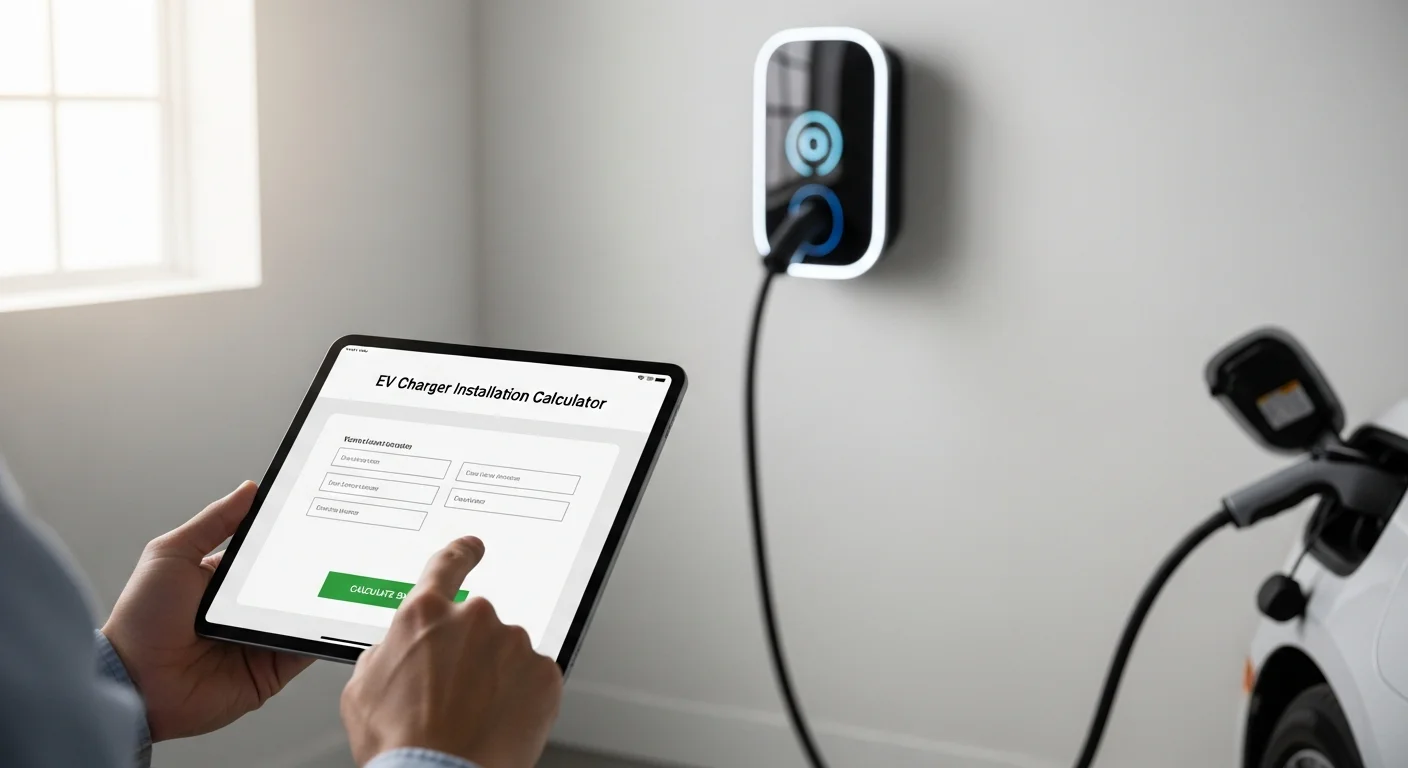
As we enter Spring 2026, the transition to sustainable transportation has accelerated, making home charging more a necessity than a luxury. For many homeowners, the primary hurdle isn't the car itself, but the logistical challenge of setting up an electric vehicle charger in their garage or driveway. Understanding the nuances of hardware selection and electrical infrastructure is the first step toward seamless ownership.
According to the U.S. Department of Energy, over 80% of EV charging happens at home, highlighting the importance of a reliable setup. This guide provides a detailed breakdown of the costs you can expect this year and how to leverage modern tools to save money on your installation project.
Choosing Between Level 1 and Level 2 Home Chargers
EV Charger Installation Calculator
Buy NowThe Level 1 Convenience
Level 1 charging uses a standard 120-volt outlet found in any home. While it requires no special installation, it is significantly slower, typically adding only 3-5 miles of range per hour of charging. This is often insufficient for daily commuters in 2026 who require a full battery every morning.
The Level 2 Performance Standard
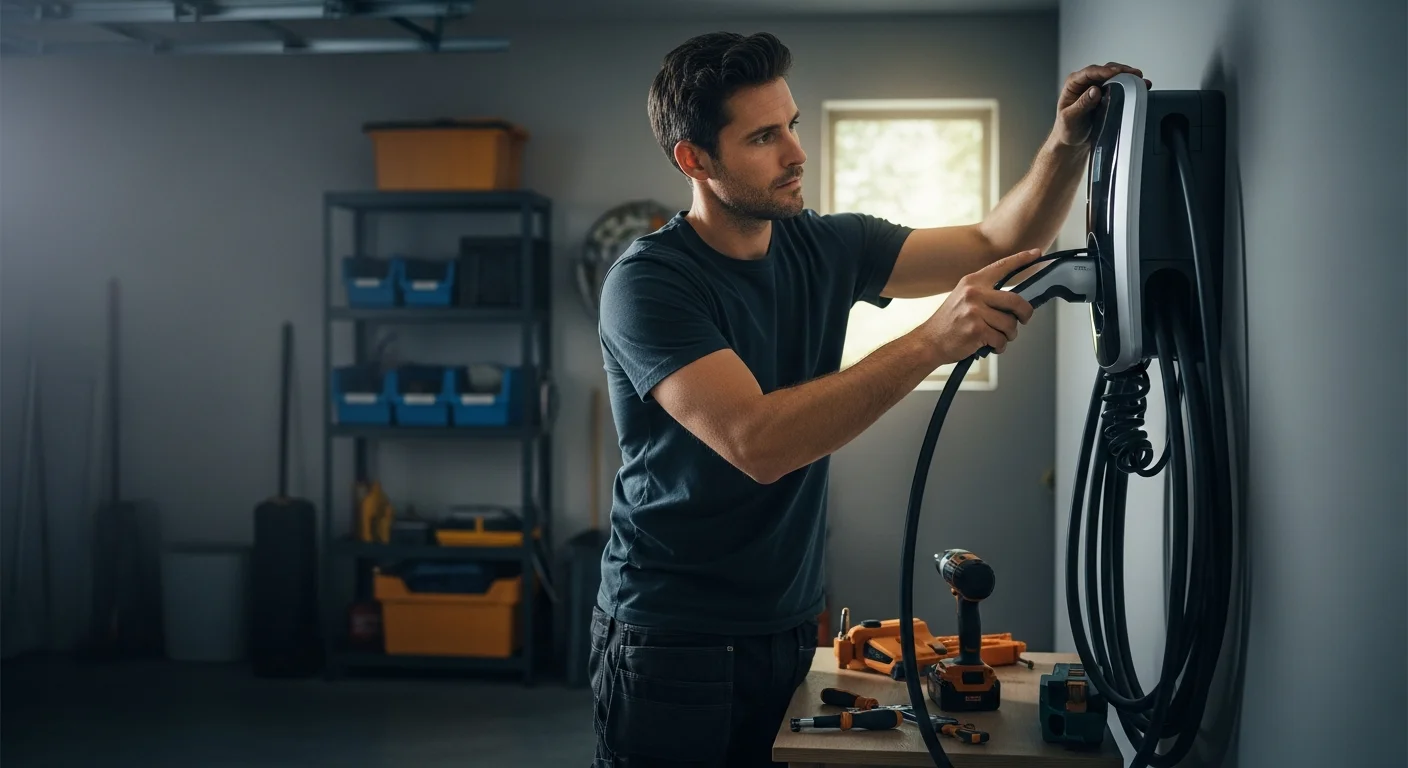
A Level 2 station requires a 240-volt circuit, similar to what a clothes dryer or electric oven uses. This is the gold standard for residential ev charger installation guide recommendations, offering much faster speeds that can fully charge most vehicles overnight.
Want an instant estimate for your home?
Use the Installation Calculator →Price Factors for an Electric Vehicle Charger
Electrical Panel Upgrades
If your home’s electrical panel is at capacity, you may need an upgrade to 200 amps. This is a common requirement in older homes and can add $1,500 to $3,000 to your total cost to install electric car charger at home.
Distance to the Garage
The price of copper remains volatile in 2026. The further your parking spot is from the electrical panel, the more you will spend on heavy-duty wiring and conduit, which can significantly impact the final quote from your contractor.
2026 Rebates and Tax Incentives
Federal Investment Tax Credit
The federal government continues to support the infrastructure rollout. Residents can often claim a percentage of their hardware and installation costs as a credit on their annual tax returns, provided they meet specific income and geographic criteria.
California Utility Programs
According to California Energy Commission resources, local utilities in Orange County offer significant ev charging station incentives 2026 programs. Some programs cover the entire cost of the permit and a portion of the labor for qualifying residents.
| Cost Component | Estimated Range (2026) |
|---|---|
| Level 2 Hardware | $400 - $900 |
| Permit & Inspection | $150 - $400 |
| Basic Installation Labor | $500 - $1,200 |
Maximize your savings today.
Find Orange County Rebates →Using the Installation Calculator
Real-Time Cost Estimates
Gone are the days of manual spreadsheets. Our specialized tool allows you to input your zip code and home details to get an immediate look at how much does ev charger installation cost in your specific neighborhood.
Rebate Qualification Checks
The calculator doesn't just look at costs; it cross-references current 2026 database entries for orange county ev charger rebates. This ensures you never leave money on the table when upgrading your home infrastructure.
Smart Charging Features for 2026
Dynamic Load Balancing
Modern systems can now communicate with your home's smart meter to ensure that your electric vehicle charger only draws power when it won't overwhelm your main breaker. This technology can often prevent the need for costly panel upgrades.
V2H Capabilities
Vehicle-to-Home (V2H) technology is becoming standard in the Spring 2026 collection of home chargers. This allows your car to act as a backup battery for your house during power outages, adding a layer of energy security for your family.
Ready to upgrade your home's value?
Start Your Free Estimate →
Frequently Asked Questions
What is the best level 2 charger in 2026?
The best choice depends on your vehicle's max intake and your home's WiFi connectivity. In 2026, brands offering V2H compatibility and robust app integration are generally considered the top tier for residential use.
Can I install an EV charger myself?
While plug-in models exist, the dedicated 240V circuit must be installed by a licensed electrician to meet building codes and maintain insurance validity. Professional installation also ensures you qualify for most state and federal rebates.
How long does the installation process take?
Most standard installations are completed within 4 to 6 hours. However, if your project requires a panel upgrade or extensive trenching, it may span across two business days plus time for the city inspector to visit.
Do all electric vehicles use the same plug?
By 2026, the industry has largely converged on the NACS (North American Charging Standard) or J1772 connectors. Adapters are readily available to ensure compatibility between different vehicle makes and charging units.
Are there federal tax credits for EV chargers in 2026?
Yes, federal incentives remain available in 2026 for hardware and installation costs in designated census tracts. Our calculator helps identify if your specific address qualifies for these significant savings.
Conclusion
Investing in a home charging solution is one of the most effective ways to enhance the convenience and value of your property in 2026. By understanding the core cost drivers—from electrical panel capacity to the length of wire runs—you can approach your installation with confidence and a clear budget.
Don't let the complexity of modern electrical standards deter you. Using tools like the OC Home Savings calculator allows you to plan your electric vehicle charger setup with precision, ensuring you take full advantage of every available rebate. Start your journey toward faster, more affordable home charging today by getting a professional estimate tailored to your home’s unique needs.
About the Author

Written by William Corcoran, Orange County Home Savings Expert
William Corcoran has helped Orange County families save money on their homes for over 15 years. Specializing in property tax reduction and smart refinancing, he offers expert guidance you can trust. www.energybot.com www.energystar.gov
Related Articles

Ready to Find Your Savings?
Get a free personalized report showing all rebates and incentives your home qualifies for.
Get My Free Report