How to Improve Home Energy Score: 2026 Guide to Lower Heating Bills and Efficiency Ratings
Key Takeaways
- A high home energy score increases property value and attracts eco-conscious buyers in 2026
- Small air sealing and insulation improvements offer the highest return on investment for energy savings
- Smart technology and heat pump upgrades are the leading trends for Spring 2026 home efficiency
- Regular professional energy score reports identify hidden sources of residential energy waste
As we navigate through the Spring 2026 season, homeowners in Orange County and beyond are becoming increasingly aware of their environmental footprint and utility costs. Managing your home's heating energy is no longer just about comfort; it is a critical component of financial planning and property valuation. With energy prices fluctuating, understanding how your home performs compared to modern standards is essential for long-term sustainability.
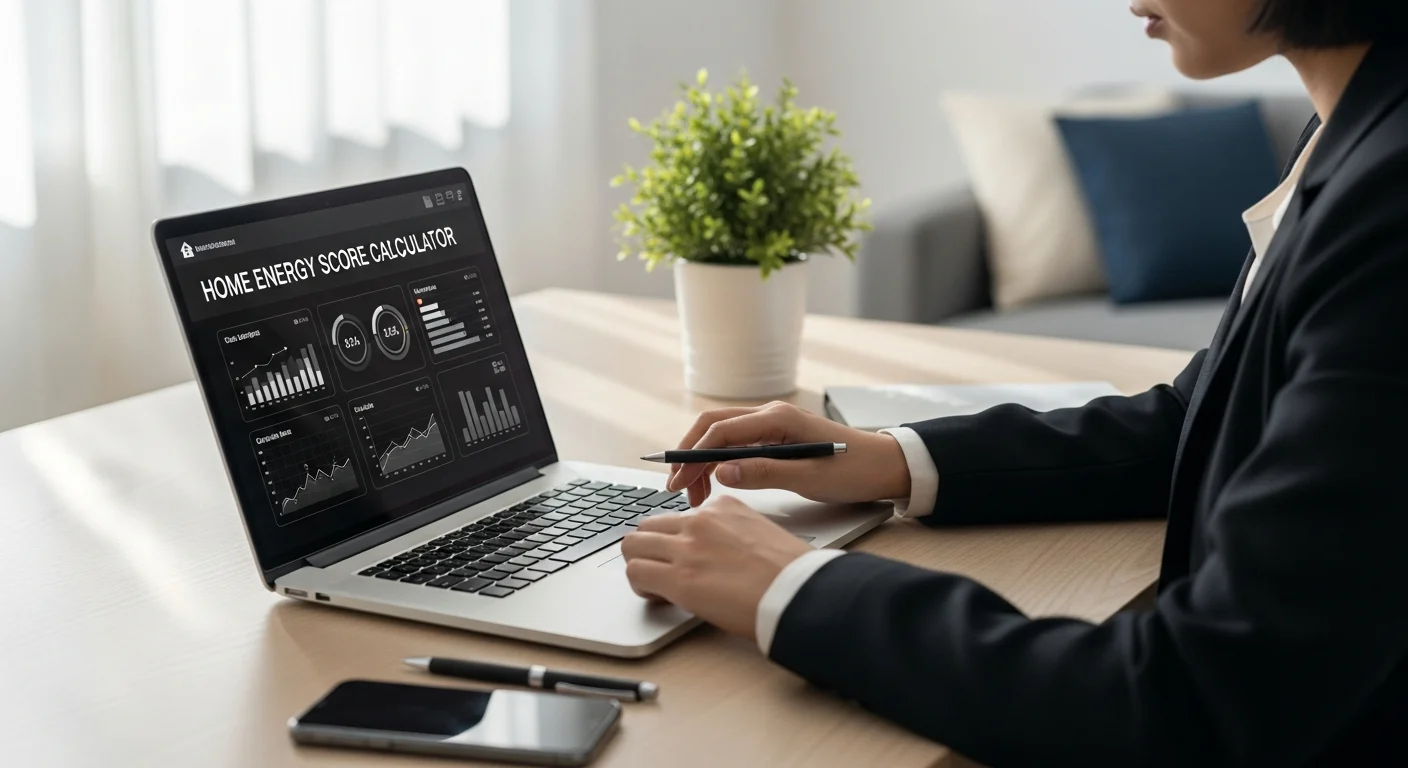
A Home Energy Score provides a transparent, standardized look at how efficiently a house uses energy. Much like a miles-per-gallon rating for a car, this score helps you understand where energy is being lost and how to fix it. Whether you are planning to sell or simply want to optimize your living space, our comprehensive home energy score calculator is the first step toward a more efficient home.
Ready to see your home's performance?
Get Your Free Energy Score →Understanding Your Home Energy Efficiency Rating
Home Energy Score Calculator
Buy NowWhat the Score Numbers Mean
The Home Energy Score uses a scale of 1 to 10, where a 10 represents the most efficient home possible. According to the U.S. Department of Energy, this score accounts for the home's structure and systems, rather than the behavior of the occupants. This means it provides an objective look at the building's physical health.
The Impact on Real Estate Value
In the 2026 real estate market, transparency is key. Buyers are looking for homes with documented high efficiency to ensure they won't be hit with massive bills. A professional energy score report acts as a certificate of quality, potentially increasing the speed of sale and the final closing price.
Smart Strategies to Lower Heating Bills in Winter
Prioritizing the Thermal Envelope
Your thermal envelope—walls, roof, and foundation—is the barrier between your conditioned air and the outside world. Research from Energy Star suggests that sealing air leaks can save up to 15% on heating and cooling costs. Focus on attic bypasses and basement rim joists for the biggest impact.
2026 Window Technologies
Gone are the days of simple double-paning. The latest energy efficient window upgrades for 2026 include vacuum-insulated glazing (VIG) and low-e coatings that adapt to the season. These technologies specifically target the retention of warmth during cooler months.
Managing Your Heating Energy Consumption
The efficiency of your HVAC system determines how effectively you use heating energy. Modern heat pumps have become the gold standard in 2026, offering both heating and cooling in a single, highly efficient unit that outperforms traditional furnaces. By utilizing electricity instead of combustion, these systems significantly reduce the carbon footprint of your home.
Furthermore, integrating smart home systems allows for granular control over every room. This prevents wasting energy on unoccupied spaces. According to Wikipedia's entry on efficient energy use, automated demand-response systems are becoming a staple in modern residential design to balance load during peak hours.
Calculate your potential savings now!
Start Calculator →Eco-Friendly Home Upgrades for Spring 2026
| Upgrade Type | Primary Benefit |
|---|---|
| Air Source Heat Pumps | Zero-combustion heating & cooling |
| Attic Insulation (R-60) | Reduces heat loss through the roof |
| Smart Thermostats | AI-driven usage optimization |
| LED Lighting & Sensors | Lowers electricity demand |
The Shift to Solar Readiness
Many homeowners in Orange County are moving toward "solar-ready" upgrades. This involves ensuring your electrical panel and roof layout can accommodate photovoltaic cells. Integrating solar power directly offsets your residential heating energy costs by providing clean, locally generated electricity.
Professional Energy Score Report vs. DIY Calculators
The Power of Digital Estimation
Modern digital tools, such as the home energy score calculator benefits, provide an immediate overview of your home's standing. These tools use complex algorithms to estimate your efficiency based on age, square footage, and local climate data. It's a low-barrier way to begin your efficiency journey.
When to Call the Pros
While calculators provide a great baseline, a physical audit by a certified professional is recommended for complex issues. Professionals use blower door tests and infrared cameras to see where air is escaping. As reported by the U.S. Energy Information Administration, space heating and cooling remain the largest energy expenses for most American households, making professional precision worth the investment.
Stop overpaying for energy!
Find Your Score Today →Frequently Asked Questions
How accurate is a home energy score calculator?
Our calculator uses the most recent 2026 data models to provide a highly accurate estimate. While it doesn't replace a physical blower-door test, it correctly identifies major efficiency gaps and provides a reliable score within a small margin of error based on the data you provide.
Will a high energy score really help me sell my home?
Yes, modern homebuyers are increasingly focused on "Total Cost of Ownership." A high score proves that the home is well-maintained and has low monthly overhead. In Spring 2026, many mortgage lenders are even offering better rates for high-efficiency homes.
What is the most cost-effective way to improve my score?
Air sealing and adding attic insulation are typically the most cost-effective upgrades. These low-cost improvements prevent the loss of warm air, which immediately reduces the amount of heating energy your furnace or heat pump must produce.
Does the climate in Orange County affect my energy rating?
Absolutely. The Home Energy Score calculation is normalized based on your local weather patterns. A house in Orange County is evaluated based on how it handles the specific temperature ranges and humidity levels of Southern California, ensuring a fair and relevant rating.
How often should I recalculate my home energy score?
We recommend checking your score annually or after any significant home improvement project. If you've replaced windows, upgraded your HVAC, or added insulation in 2026, your score will likely improve, and you'll want an updated report to reflect those gains.
Conclusion
Improving your home's performance is a journey that pays dividends in comfort, cost savings, and environmental stewardship. By taking control of your heating energy usage, you are securing your home's future in an increasingly efficiency-driven economy. The tools available today, from smart thermostats to high-tech insulation, make it easier than ever to achieve a top-tier rating.
At Orange County Home Savings, we are dedicated to helping you navigate these improvements. Don't let another season go by with high utility bills and wasted resources. Start by understanding your current standing with our calculator, and then implement the targeted strategies we've discussed to elevate your home to a perfect 10.
About the Author

Written by William Corcoran, Orange County Home Savings Expert
William Corcoran has helped Orange County families save money on their homes for over 15 years. Specializing in property tax reduction and smart refinancing, he offers expert guidance you can trust. www.energybot.com www.energystar.gov
Related Articles
Ready to Find Your Savings?
Get a free personalized report showing all rebates and incentives your home qualifies for.
Get My Free Report