Home Charging Station Costs: A Complete Guide to Electric Vehicle Charger Installation in 2026
Key Takeaways
- Average Level 2 installation costs range from eight hundred to two thousand dollars in 2026
- Federal tax credits and local utility rebates can cover up to fifty percent of total expenses
- Smart chargers with load management help avoid expensive electrical panel upgrades
- Proper permitting ensures safety and maintains your home insurance coverage validity
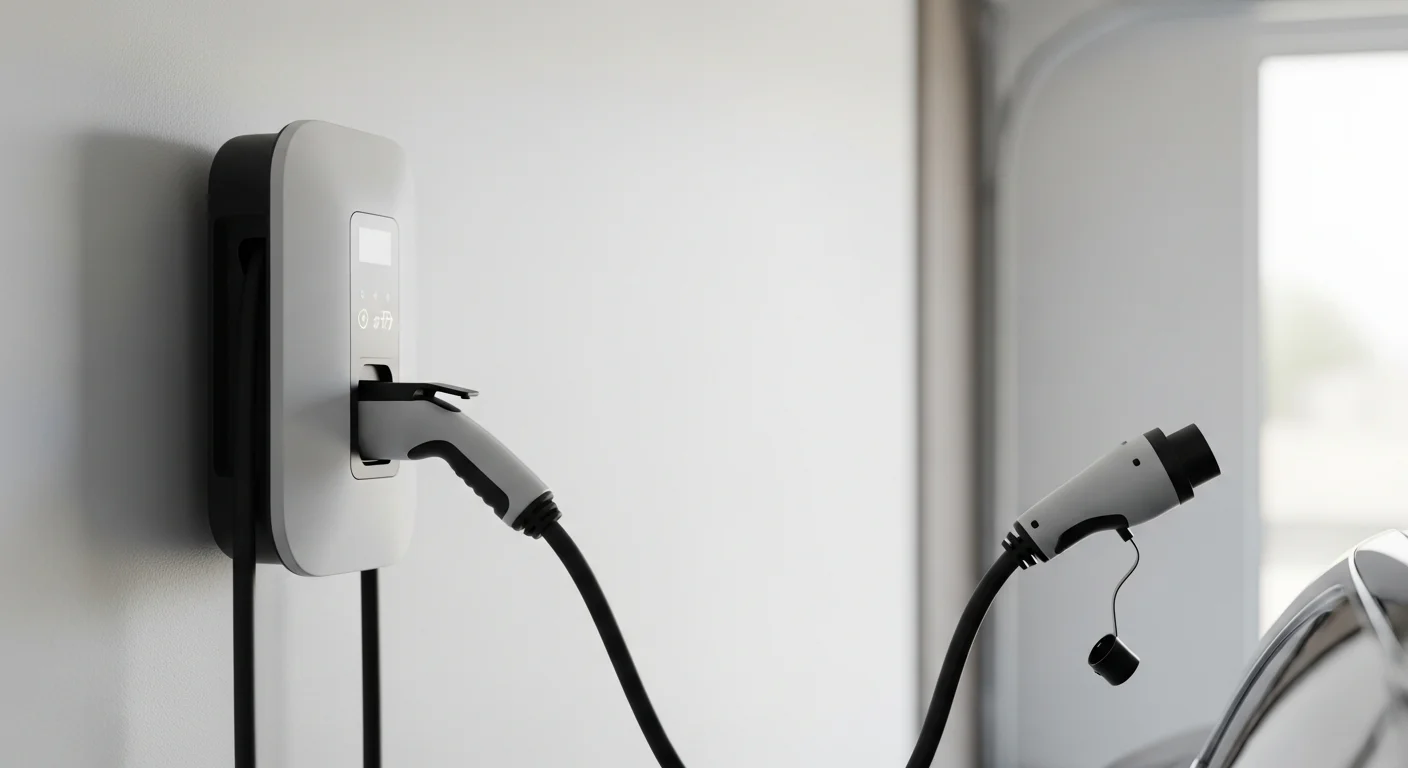
The transition to electric mobility has reached a turning point in Winter 2026. As more homeowners shift away from internal combustion engines, the necessity for a reliable car charger ev setup has become the top home improvement priority. According to the U.S. Department of Energy, over 80% of EV owners prefer the convenience of charging overnight at their primary residence.
Navigating the complexities of hardware selection and electrical labor can be daunting. From selecting the right amperage to understanding local permit requirements in Orange County, every detail impacts your bottom line. This guide provides the most current data on residential charging infrastructure to help you make an informed investment.
Understanding Home Charging Station Costs 2026
EV Charger Installation Calculator
Buy NowHardware vs. Labor Breakdown
The EV charger installation cost 2026 models show a distinct split between equipment and professional services. High-quality Level 2 charging units now average between $400 and $800, featuring enhanced weatherproofing and Wi-Fi connectivity. Professional labor for a standard installation typically starts at $500, though this can escalate if your garage is far from your electrical panel.
Permit and Inspection Fees
Safety is paramount when dealing with high-voltage circuits. Most municipalities require a building permit, which ensures the installation meets the National Electrical Code. According to Wikipedia's entry on charging stations, these inspections protect homeowners from fire hazards and insurance liability issues.
Want an instant quote for your setup?
Use the EV Charger Calculator →Level 1 vs Level 2 EV Charging at Home
The Limitations of Standard Outlets
Level 1 charging uses a standard 120-volt wall outlet. While it requires no special installation, it only provides 3-5 miles of range per hour. This is often insufficient for modern long-range batteries found in 2026 vehicle models.
The Efficiency of Level 2 Systems
A dedicated 240-volt circuit allows for significantly faster replenishment. Our Level 2 EV charger installation guide suggests that most users can fully charge their vehicle in 6-10 hours, making it the standard for residential applications. This system is essential for commuters driving more than 40 miles daily.
Benefits of Installing a Car Charger EV
Increased Property Value
Homes equipped with dedicated charging infrastructure are more attractive to modern buyers. Installing a professional car charger ev adds a layer of "future-proofing" to your real estate investment that is highly valued in Southern California markets.
Lower Operating Costs
By charging at home during off-peak hours, you can significantly reduce your fuel expenses. Modern car charger ev models integrate with local utility programs to automatically start charging when electricity rates are at their lowest.
| Charging Level | Charge Speed | Installation Need |
|---|---|---|
| Level 1 (120V) | 3-5 miles/hour | None |
| Level 2 (240V) | 25-40 miles/hour | Professional Required |
Calculate your potential energy savings today.
Launch Cost Calculator →How to Save Money on EV Charger Installation
Federal Tax Credits for 2026
The Alternative Fuel Vehicle Refueling Property Credit remains a powerful tool for homeowners. According to IRS documentation, eligible residents can claim a significant percentage of their hardware and labor costs, provided they meet specific income and geographic requirements.
Local Utility Incentives in Orange County
Southern California Edison (SCE) frequently offers home charging station rebates Orange County families can use to offset setup costs. Some programs even provide a free charger in exchange for participating in demand-response events, which helps stabilize the power grid during peak usage times.
Home Electrical Panel Upgrade for EV Readiness
Determining Capacity Needs
If your home has a 100-amp service, you may require a home electrical panel upgrade for EV readiness. Adding a 40-amp or 50-amp circuit for a charger can overtax an older system. Consulting with a licensed electrician is critical to evaluate if your current panel can handle the increased load.
Smart Load Management Solutions
In 2026, technology allows us to bypass panel upgrades in many cases. Smart energy management systems can monitor your home's total power draw and throttle the charger when the dryer or air conditioner is running. This innovation can save homeowners thousands in electrical infrastructure upgrades.
Ready to upgrade your home for an electric future?
Estimate Installation Costs →
Frequently Asked Questions
What is the average cost to install electric vehicle charger at home in 2026?
While hardware is more affordable than ever, labor costs in 2026 bring the average total to $1,200 - $1,800. This includes the charger, a new dedicated circuit, and professional installation labor.
Do I need a permit for a home EV charger?
Yes, almost all jurisdictions require a permit for 240V circuit installations. This ensures the work meets safety standards and is required by most home insurance providers to maintain coverage.
Should I choose a hardwired or plug-in EV charger?
Hardwired chargers are often preferred for outdoor installations and higher amperage (48A+). Plug-in models offer flexibility, allowing you to take the charger with you if you move or easily replace it if the unit fails.
Can I install an EV charger myself?
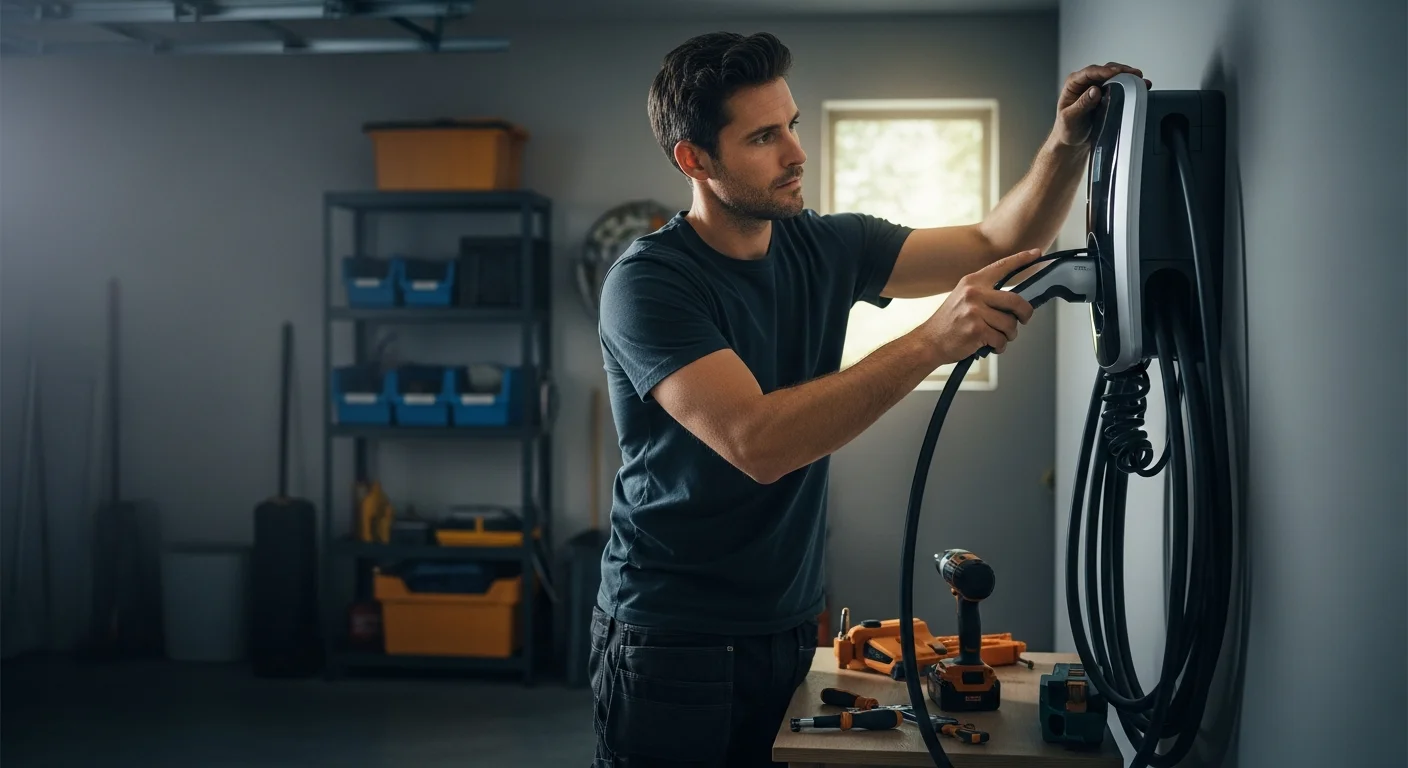
Unless you are a licensed electrician, DIY installation is not recommended. High-voltage work carries significant fire and shock risks, and improper wiring can damage your vehicle's sensitive onboard charger.
Are there still tax credits available in 2026?
Yes, the federal tax credit for residential EV charging infrastructure has been extended through 2026. Homeowners in specific areas can claim up to $1,000 against their federal tax liability.
The Future of Home Charging
Investing in a car charger ev is more than just a convenience; it is a commitment to a sustainable and cost-effective lifestyle. By utilizing the latest 2026 rebates and choosing the right hardware for your specific needs, you can enjoy the freedom of never visiting a gas station again.
Before you begin your project, ensure you use a reliable calculator to understand your local costs. With the expert guidance provided by Orange County Home Savings, you can navigate the transition to electric driving with confidence and clarity. Start your installation journey today and join the thousands of Southern California residents leading the charge toward a cleaner future.
About the Author

Written by William Corcoran, Orange County Home Savings Expert
William Corcoran has helped Orange County families save money on their homes for over 15 years. Specializing in property tax reduction and smart refinancing, he offers expert guidance you can trust. www.energybot.com www.energystar.gov
Related Articles

Ready to Find Your Savings?
Get a free personalized report showing all rebates and incentives your home qualifies for.
Get My Free Report