Home EV Charging Station Cost Guide: 2026 Installation and Rebate Secrets
Key Takeaways
- Home charging costs in 2026 are significantly offset by new federal and state tax credits
- Level 2 charging remains the gold standard for residential speed and battery health
- Using an online estimation tool is the first step toward accurate budgeting for electrical upgrades
- Professional installation is required to maintain manufacturer warranties and ensure safety compliance
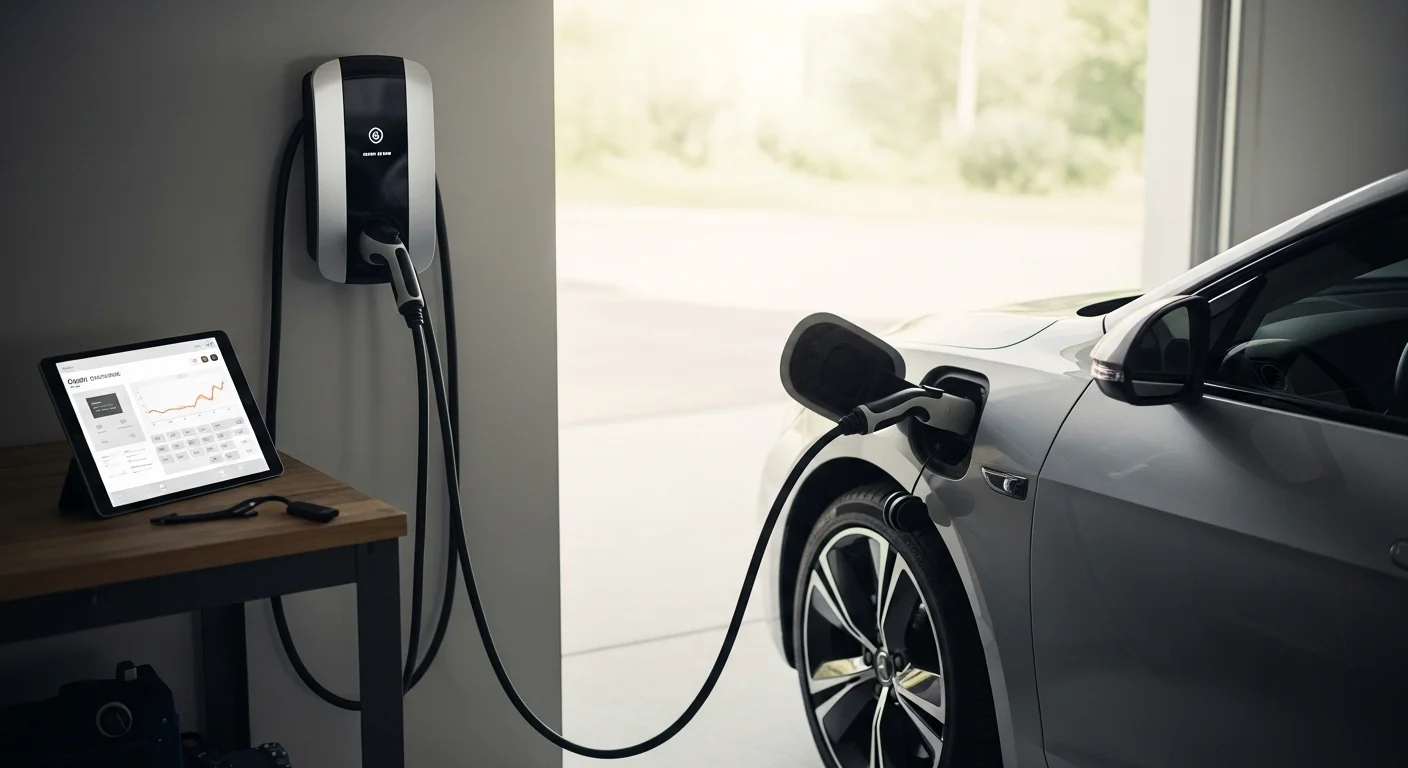
As we move through Spring 2026, the shift toward electric mobility has reached an all-time high in Orange County. For many homeowners, the convenience of a reliable car charger ev setup has transformed from a luxury into a daily necessity. According to the U.S. Department of Energy, over 80% of EV drivers charge their vehicles overnight at home, emphasizing the need for robust residential infrastructure.
However, the landscape of home charging is changing rapidly. With new smart-grid technologies and updated safety codes introduced in the 2026 cycle, navigating the installation process requires more than just a standard electrical outlet. Homeowners must now consider panel capacity, circuit load balancing, and integrated software features that communicate directly with local utility providers.
Want to know exactly what your installation will cost?
Try Our Free Installation Calculator →Current EV Charging Trends for 2026
EV Charger Installation Calculator
Buy NowSmart Grid Integration
Modern residential charging stations in 2026 are more than just power conduits; they are sophisticated energy management tools. By integrating with smart home systems, these chargers can automatically schedule sessions during off-peak hours when electricity rates are lowest. This helps stabilize the grid and lowers monthly utility bills for the average family.
Bi-Directional Charging Capabilities
One of the most exciting developments in the Spring 2026 collection of chargers is bi-directional power flow. This technology allows your vehicle to act as a backup battery for your home during outages. Vehicles are increasingly being seen as mobile energy storage units rather than just transport.
Using an EV Charger Installation Calculator
Accurate Cost Estimation
Before purchasing a car charger ev unit, it is vital to understand the secondary costs associated with electrical labor. A digital calculator takes factors like the distance from your breaker box to the garage into account. This prevents "sticker shock" when the final invoice from the electrician arrives.
Factor in Electrical Panel Upgrades
Many older homes in Orange County require a panel upgrade to support the 40-50 amp load of a Level 2 station. A professional calculator can help you determine if your current 100-amp service is sufficient or if a 200-amp upgrade is necessary for safety and compliance with National Electrical Code (NEC) standards.
Unsure if your home panel can handle the load?
Estimate Your Upgrade Costs Here →2026 EV Charger Rebates and Incentives
Federal Tax Credits for Residential Stations
For the 2026 fiscal year, the federal government has renewed and expanded the Alternative Fuel Vehicle Refueling Property Credit. Homeowners can often claim up to 30% of the cost of hardware and installation. This makes high-end smart chargers much more accessible for the average consumer.
Local California Utility Rebates
According to information found on Wikipedia regarding EV ecosystems, regional utilities frequently offer specific rebates for "Managed Charging." In Orange County, Southern California Edison (SCE) provides various programs that reward customers for installing Wi-Fi-enabled stations that help manage peak demand.
| Charging Level | Typical Speed | Best For |
|---|---|---|
| Level 1 (120V) | 3-5 miles per hour | Plug-in Hybrids / Occasional drivers |
| Level 2 (240V) | 25-45 miles per hour | Daily commuters / Full EVs |
| Level 3 (DC Fast) | 100+ miles per 20 mins | Commercial / Public use only |
Level 2 vs Level 1 Charging Comparisons
The Daily Commuter's Dilemma
Level 1 charging, which uses a standard household outlet, is often too slow for the battery capacities of vehicles in the 2026 fleet. If you drive more than 30 miles a day, a Level 1 charger will fail to fully recover the energy used overnight, leading to "range anxiety" by the end of the work week.
Efficiency and Thermal Management
Level 2 stations are generally more efficient. Because they charge the battery faster, the vehicle's cooling systems run for a shorter duration, wasting less electricity as heat. This contributes to better overall battery longevity as documented by energy efficiency research.
Professional Installation vs DIY Risks
The Dangers of High-Voltage Wiring
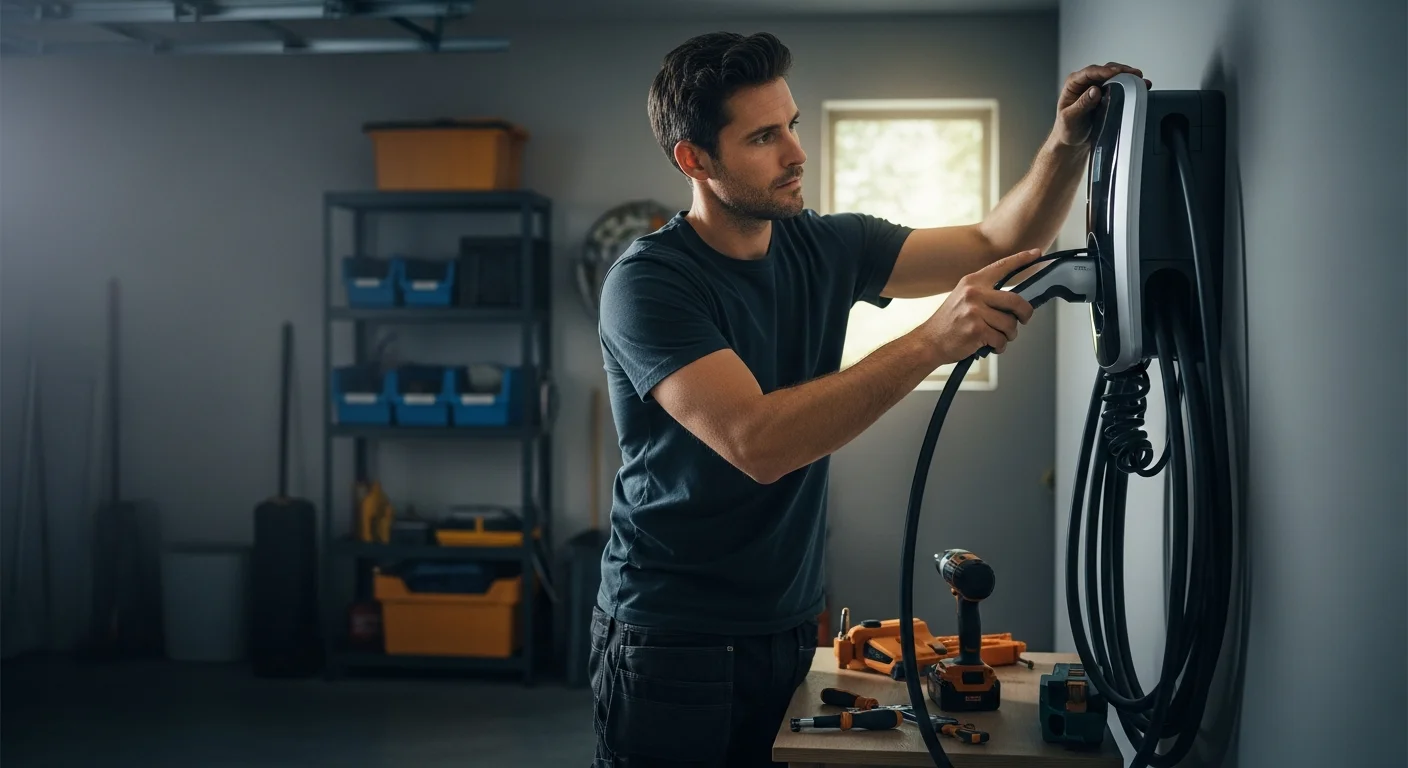
While many home projects are suitable for the weekend warrior, 240V electrical work is not one of them. Improperly seated terminals or incorrect wire gauges can lead to overheating and fire hazards. A certified electrician ensures that every connection is torqued to manufacturer specifications.
Permitting and Home Insurance
In Orange County, failing to pull a permit for a car charger ev installation can void your home insurance policy in the event of an electrical fire. Professionals handle the paperwork, inspections, and ensure the project is fully recorded with the city building department for your protection.
Ready for a safe, professional installation?
Get Your Custom Quote Today →
Frequently Asked Questions
How much does it cost to install a Level 2 charger in 2026?
On average, homeowners can expect to pay between $800 and $2,500 for the hardware and labor. This price varies based on the distance between your panel and the charger, and whether you require a main panel upgrade. Many local rebates can cover up to 50% of these costs.
Do I need a special permit for a home EV charger?
Yes, most jurisdictions in Orange County require an electrical permit for any new circuit installation. This ensures the work meets current safety standards and has been inspected by a qualified official to mitigate fire risks.
Can I use a portable charger for daily use?
While portable chargers are great for emergencies, they are not designed for the heavy thermal stress of daily 8-10 hour charging cycles. A wall-mounted station is more durable and provides safer power delivery for long-term ownership.
Will a home charger increase my property value?
Recent real estate trends in 2026 suggest that homes with dedicated Level 2 charging infrastructure sell faster and at a premium. As more buyers switch to electric, move-in-ready charging is seen as a highly desirable home feature.
Is a smart charger worth the extra money?
Smart chargers allow for data tracking, remote control via mobile apps, and participation in utility demand-response programs. These features often pay for themselves through energy savings and qualifying for higher rebate tiers.
Conclusion
Investing in a car charger ev installation is one of the most practical steps you can take as an electric vehicle owner in Spring 2026. By choosing the right Level 2 hardware and utilizing available state and federal incentives, you can create a seamless, cost-effective charging experience right in your own garage.
As technology continues to evolve, staying informed about panel capacities and smart grid features will ensure your home remains at the forefront of the green revolution. Don't leave your installation to chance—use professional tools and expert advice to maximize your savings and vehicle performance.
About the Author

Written by William Corcoran, Orange County Home Savings Expert
William Corcoran has helped Orange County families save money on their homes for over 15 years. Specializing in property tax reduction and smart refinancing, he offers expert guidance you can trust. www.energybot.com www.energystar.gov
Related Articles

Ready to Find Your Savings?
Get a free personalized report showing all rebates and incentives your home qualifies for.
Get My Free Report