2026 Turf Replacement Rebate Guide: Calculate Your Artificial Lawn Savings and Incentives
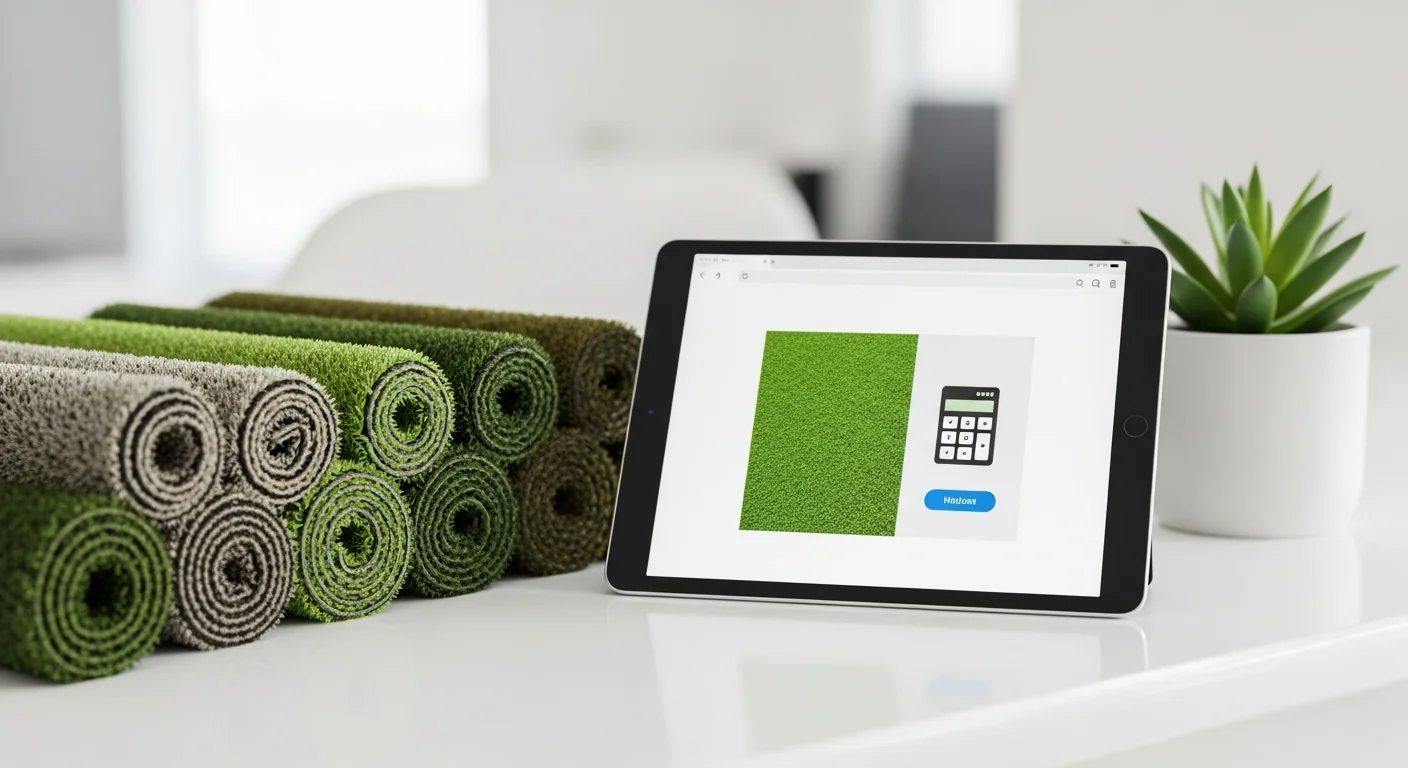
Key Takeaways
- California homeowners can access significant rebates for replacing natural grass with sustainable alternatives in 2026
- The rebate amount often depends on the total square footage and local water agency participation
- Pre-approval is mandatory before removing any existing grass to remain eligible for funding
- Sustainable landscaping reduces long-term maintenance costs and significantly lowers monthly water bills
As we enter the Spring 2026 season, Southern California homeowners are facing increasing pressure to adapt to a changing climate. Managing a traditional grass lawn is becoming more expensive and labor-intensive than ever before. Fortunately, regional water agencies are offering robust financial incentives to help residents transition to drought-tolerant environments using an artificial lawn calculator to estimate their potential savings.
Transitioning your landscape isn't just about saving water; it is about creating a functional, beautiful outdoor space that adds value to your property. With the latest 2026 updates to the turf replacement program, the barrier to entry has never been lower for those looking to modernize their curb appeal while securing a substantial rebate check.
Calculate Your Potential Rebate Now
Access the Rebate Calculator →Understanding 2026 Turf Rebates
Turf Replacement Rebate Calculator
Buy NowCurrent Funding for California Homeowners
The 2026 turf replacement programs are designed to provide immediate financial relief for homeowners. According to the Metropolitan Water District of Southern California, these incentives are critical for meeting regional conservation goals. Depending on your specific water district, you could be eligible for anywhere from $2 to $5 per square foot of natural grass removed.
Eligibility Requirements for 2026
To qualify for a turf replacement rebate 2026, your project must meet specific criteria. This generally includes a minimum amount of square footage (usually 250 sq. ft.) and a commitment to replacing grass with permeable surfaces or drought-tolerant plants. Artificial turf is a popular choice for families and pet owners who still want the look of a green lawn without the high water usage.
Using an Artificial Lawn Calculator
Accurate Square Footage Estimates
One of the biggest hurdles in applying for a grant is accurately measuring your project area. An artificial lawn calculator simplifies this by allowing you to input dimensions and account for odd-shaped garden beds. Precision is key because water agencies often verify measurements via satellite imagery or on-site inspections before issuing funds.
Financial Planning and Budgeting
By using these digital tools, you can determine if the rebate will cover a significant portion of your installation costs. In many cases, the combination of a high-efficiency rebate and long-term water savings allows the project to pay for itself within a few years. This makes the artificial grass cost vs rebate analysis very favorable for 2026 residents.
Ready to See Your Numbers?
Try Our Turf Calculator →Eligible Materials for Incentives
High-Quality Synthetic Grass
Not all synthetic products are created equal. To be eligible for California water saving landscaping grants, the turf must be permeable to allow rainwater to filter into the ground. Modern 2026 collections feature heat-reflective technology and realistic fibers that blend perfectly with Southern California's natural aesthetic.
Native Plants and Xeriscaping
Many homeowners choose a hybrid approach, combining synthetic turf for play areas with native plant beds. According to Calscape, utilizing native species helps support local biodiversity and reduces the need for chemical fertilizers. This approach often increases the overall rebate amount as some districts offer bonuses for diverse plantings.
Maximizing Your Return on Investment
When planning your renovation, it is important to look beyond the initial rebate check. The true value lies in the reduction of ongoing maintenance and water expenditures. Let's compare the impact of traditional lawns versus modern sustainable alternatives.
| Cost Category | Natural Grass (Yearly) | Sustainable Turf (Yearly) |
|---|---|---|
| Water Consumption | High ($1,200 - $2,500) | Near Zero ($0 - $50) |
| Maintenance Fees | $1,500+ (Mowing/Fertilizing) | Low ($100 for Raking) |
| Property Value | Standard | Modern & Drought-Resilient |
The Step-by-Step Application Process
Phase 1: Pre-Approval
The most critical rule for 2026: do not start digging until you have an approved reservation. Agencies like Municipal Water District of Orange County require photos of your existing, living grass before any work commences. Use our artificial lawn calculator to determine the exact footage you'll be submitting.
Phase 2: Installation and Inspection
Once approved, you typically have 60 to 180 days to complete your project. Ensure you include the required number of plants and that all materials comply with the permeability standards. After completion, you'll submit a post-installation application with photos and receipts to trigger the rebate payment.
Expert Assistance for Your Rebate
Speak with an OC Savings Expert →Frequently Asked Questions
Can I get a rebate if my grass is already dead?
Most agencies require that the grass is currently living or has been historically present to qualify. However, rules vary by district in 2026, and some may allow for drought-stressed lawns. It is essential to check with your local provider before submitting your application.
Does artificial turf count toward the 2026 turf rebate?
Yes, in many Southern California jurisdictions, synthetic grass is an eligible replacement material. The primary requirement is that the product must be permeable. This ensures that rainwater can reach the water table rather than running off into storm drains.
How accurate is an artificial lawn calculator?
A modern artificial lawn calculator is extremely accurate when provided with correct measurements. It accounts for waste factors and seam overlaps, which are vital for both ordering material and estimating the final rebate payout from the water district.
How long does it take to receive the rebate check?
Once your final inspection is approved and all receipts are processed, most homeowners receive their check within 8 to 12 weeks. High demand in Spring 2026 may slightly extend these timelines, so early submission is highly recommended.
Are there maximum rebate limits?
Yes, most residential programs have a cap, often ranging between 5,000 and 10,000 square feet. For larger properties, this means you can still receive a massive financial incentive, even if it doesn't cover the entire yard.
Conclusion
Taking advantage of the 2026 landscape incentives is one of the smartest financial moves a California homeowner can make this year. By utilizing a professional artificial lawn calculator, you take the guesswork out of the application process and set your project up for success. You aren't just saving money; you are contributing to a more sustainable future for our state.
Whether you choose a full synthetic conversion or a mix of native plants and drought-tolerant features, the time to act is now while funding is still abundant for the Spring season. Start your transformation today and enjoy a beautiful, low-maintenance yard for years to come.
About the Author

Written by William Corcoran, Orange County Home Savings Expert
William Corcoran has helped Orange County families save money on their homes for over 15 years. Specializing in property tax reduction and smart refinancing, he offers expert guidance you can trust. www.energybot.com www.energystar.gov
Related Articles
Ready to Find Your Savings?
Get a free personalized report showing all rebates and incentives your home qualifies for.
Get My Free Report