Accessory Dwelling Unit Costs 2026: A Complete Guide to Modern Granny Flat Projects
Key Takeaways
- ADU construction costs in 2026 average between $250 and $450 per square foot depending on finishes.
- New California legislation in 2026 has streamlined the permitting process for secondary units.
- Homeowners can see an average property value increase of 20 to 30 percent after completion.
- Financing options like HELOCs and construction loans remain the most popular funding methods.
As we move into Spring 2026, the demand for flexible living spaces continues to reshape the California real estate market. Whether you are looking to house an aging parent or generate passive rental income, understanding the financial landscape of adus housing is the first step toward a successful project. With material costs stabilizing and new zoning laws taking effect, 2026 represents a unique window for homeowners to maximize their property's potential.
Building a secondary unit is a significant investment that requires careful planning and precise budgeting. According to the California Department of Housing and Community Development, ADUs are essential to solving the state's housing shortage. This guide will break down the expenses you can expect and how to use modern tools to stay within budget.
Understanding ADU Construction Costs in 2026
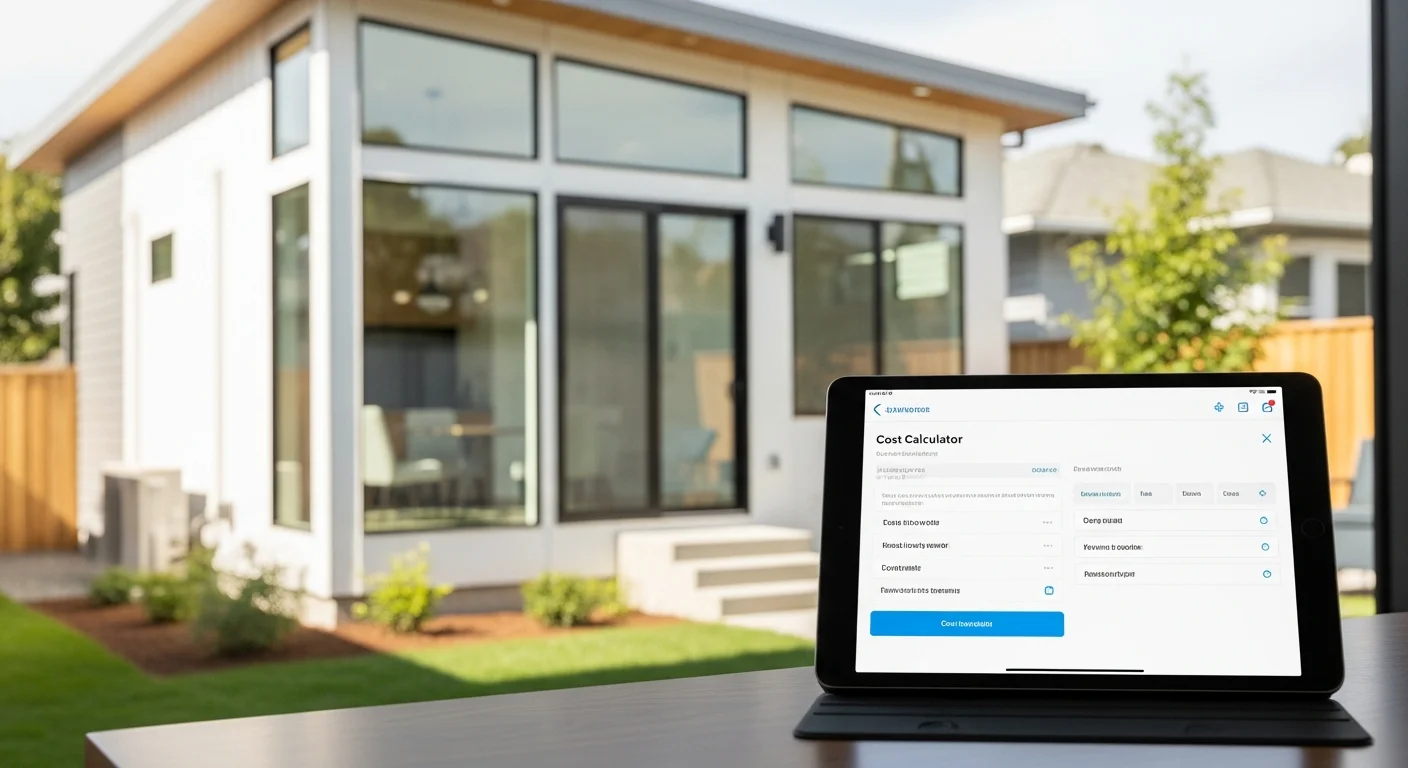
ADU / Granny Flat Cost Calculator
Buy NowAverage Cost Per Square Foot
In the current 2026 market, homeowners should budget between $250 and $450 per square foot for a standard ADU. This range accounts for basic site preparation, utility connections, and mid-range interior finishes. High-end custom builds can easily exceed these figures depending on the complexity of the design.
Hard Costs vs. Soft Costs
Hard costs include the tangible aspects of construction like lumber, roofing, and labor. Soft costs, which often catch homeowners off guard, include architectural fees, structural engineering, and city permit fees. It is vital to allocate at least 15-20% of your total budget to these essential administrative requirements.
Want an instant estimate for your project?
Try Our ADU Cost Calculator →Factors Influencing Your Granny Flat Budget
Detached vs. Attached Units
A detached ADU typically costs more due to the need for a new foundation and separate utility trenching. Attached units or garage conversions can be 20-30% cheaper because they often share existing structural elements and plumbing lines with the primary residence.
Site Conditions and Utility Hookups
If your backyard has a significant slope or requires clearing large trees, your site preparation costs will rise. Additionally, upgrading your main electrical panel to handle the load of a new unit is a common 2026 requirement that can add several thousand dollars to your bottom line.
Navigating the Landscape of ADUs Housing
The Impact of 2026 Zoning Laws
The legal framework for adus housing has evolved to favor density and affordability. Recent updates have removed many restrictive parking requirements and set maximum turnaround times for city plan checks. These changes help reduce the overall carrying costs for homeowners during the pre-construction phase.
Sustainability and Energy Standards
According to the California Energy Commission, new ADUs must adhere to strict Title 24 energy standards. While solar panels and high-efficiency heat pumps increase initial construction costs, they significantly lower the long-term operational expenses for the unit.
Ready to see how much value an ADU adds?
Get Your Custom Quote →Financing Options for Secondary Dwelling Units
Home Equity and Construction Loans
Leveraging the equity in your primary home remains the most cost-effective way to fund an ADU. Home Equity Lines of Credit (HELOC) offer flexibility, while specialized construction-to-permanent loans allow you to borrow against the future value of the property once the unit is complete.
State Grants and Incentives
In 2026, several state-level programs provide grants to homeowners building affordable secondary units. These programs can often cover the cost of pre-development soft costs, making the project more accessible for middle-income families.
Calculating the ROI: Rental Income and Property Value
| ADU Type | Estimated Cost (2026) | Monthly Rental Potential |
|---|---|---|
| Studio Conversion | $120,000 - $160,000 | $1,800 - $2,200 |
| 1-Bed Detached | $240,000 - $310,000 | $2,500 - $3,200 |
| 2-Bed Detached | $350,000 - $480,000 | $3,800 - $4,500 |
Property Appreciation
Beyond the monthly cash flow, an ADU significantly boosts your home's resale value. Research from the National Association of Realtors suggests that properties with permitted secondary units sell faster and for higher premiums in supply-constrained markets like California.
The Step-by-Step ADU Development Process
Phase 1: Feasibility and Design
The first step is determining what you can legally build. This involves checking local setbacks, utility locations, and maximum allowable square footage for your lot. Once the constraints are clear, you can work with a designer to create a layout that maximizes space and natural light.
Phase 2: Permitting and Construction
After submitting your plans to the city, the approval process typically takes 3 to 6 months. Once the permit is issued, construction can begin. Most ADU projects take between 6 to 10 months from groundbreaking to final inspection, depending on weather and contractor availability.
Don't guess your construction costs.
Calculate Your Project Total Now →Frequently Asked Questions
Does building an ADU increase my property taxes?
In California, building an ADU will trigger a "blended assessment." Your primary home's tax basis remains the same, but the value of the new construction is added to your total assessment. This generally results in a manageable increase relative to the value the unit adds.
Can I build an ADU if I have an HOA?
Under current state law, Homeowners Associations (HOAs) cannot unreasonably prohibit the construction of an ADU. While they can have certain aesthetic requirements, they cannot block your right to build a secondary unit on your property.
What is the maximum size for an ADU in 2026?
Most California jurisdictions allow for a detached ADU of up to 1,200 square feet. However, local rules vary, and some cities may limit the size based on the square footage of the primary dwelling or the total lot coverage.
Are prefab ADUs cheaper than stick-built?
Prefab units often have a lower cost per square foot for the structure itself and can be installed much faster. However, when you factor in crane rental, site prep, and utility connections, the total cost difference is often smaller than homeowners expect.
Do I need a separate meter for utilities?
While not always required, installing separate meters for electricity and water is highly recommended for rental units. This allows you to easily bill tenants for their actual usage and avoids disputes over shared utility costs.
Conclusion
Investing in adus housing is a strategic move for California homeowners looking to build long-term wealth and provide housing solutions in 2026. While the initial costs are significant, the combination of rental income, property appreciation, and tax benefits often leads to a break-even point within 7 to 10 years.
Success in ADU development comes down to diligent research and realistic budgeting. By utilizing the latest cost estimators and staying informed on local zoning changes, you can navigate the construction process with confidence and create a space that serves your family for decades to come.
About the Author

Written by William Corcoran, Orange County Home Savings Expert
William Corcoran has helped Orange County families save money on their homes for over 15 years. Specializing in property tax reduction and smart refinancing, he offers expert guidance you can trust. www.energybot.com www.energystar.gov
Related Articles
Ready to Find Your Savings?
Get a free personalized report showing all rebates and incentives your home qualifies for.
Get My Free Report