2026 Accessory Dwelling Unit Benefits: How to Increase Property Value and Manage ADU Costs
Key Takeaways
- ADUs can increase residential property value by up to 30 percent in many markets
- New 2026 state regulations have further streamlined the permitting process for homeowners
- Construction costs for ADUs vary significantly based on whether the unit is attached or detached
- Utilizing an online cost calculator is essential for accurate budget planning in the current economy
As we move through Winter 2026, the demand for flexible living spaces continues to reshape the American suburbs. Investing in adu housing has become one of the most effective strategies for homeowners looking to combat rising living costs while maximizing their existing real estate assets. Whether you are looking to house an aging relative or generate a new stream of rental income, the landscape has never been more favorable.
The shift toward secondary dwellings is driven by legislative support and a growing cultural acceptance of multi-generational living. According to the California Department of Housing and Community Development, these units are critical to solving the state’s housing shortage. By understanding the current market dynamics, you can make an informed decision about your property’s potential.
Ready to estimate your project costs?
Try Our Free ADU Cost Calculator →The Financial Advantages of ADU Housing in 2026
ADU / Granny Flat Cost Calculator
Buy NowPassive Income Generation
One of the primary accessory dwelling unit benefits is the ability to generate consistent passive income. With rental prices in major metropolitan areas remaining high throughout 2026, a well-built unit can often cover its own mortgage payment within a few years of completion. This provides a safety net for homeowners in an evolving economy.
Increased Resale Value
Properties featuring modern secondary units are highly sought after by buyers. Market data suggests that homes with completed ADUs sell faster and for higher premiums than their single-family counterparts. This long-term equity growth is a cornerstone of smart property management.
Tax Benefits and Incentives
Various local jurisdictions offer tax incentives for homeowners who provide affordable housing options. Researching local property tax abatements can further improve the return on investment for your build. Consult with a tax professional to see how 2026 regulations apply to your specific zip code.
Comparing ADU Cost in California: 2026 Projections
Material Costs and Supply Chain
In 2026, material costs have stabilized compared to previous years, but inflation still impacts high-end finishes. Navigating granny flat construction costs requires a keen eye on the price of lumber, steel, and electrical components. Pre-purchasing materials can sometimes lock in better rates during the Winter season.
Labor Market Trends
The skilled labor shortage continues to be a factor in construction pricing. However, many specialized ADU builders have streamlined their processes to offer more competitive fixed-price contracts. This reduction in uncertainty is a major benefit for homeowners looking to start projects in 2026.
| ADU Type | Est. Cost Range (2026) | Complexity Level |
|---|---|---|
| Garage Conversion | $95,000 - $145,000 | Low to Moderate |
| Attached Junior ADU | $80,000 - $120,000 | Low |
| Detached Custom Build | $220,000 - $380,000 | High |
Attached vs Detached ADU Costs: Choosing Your Design
Benefits of Attached Units
Attached units often leverage the existing infrastructure of the primary home, such as shared walls and utility connections. This frequently results in lower upfront attached vs detached adu costs. They are ideal for junior suites or transforming an unused wing of a large house.
The Privacy of Detached Dwellings
Detached units provide maximum privacy for both the primary resident and the tenant. While more expensive to build due to foundation and separate utility work, they often command higher rental rates in the adu housing market. Modern prefab options are also making detached units more accessible.
Discover your property's earning potential.
Calculate Your Construction Costs Now →Financing Options and ADU Housing Grants
HELOC and Cash-Out Refinancing
Using existing home equity remains the most popular way to fund adu housing financing options. Home Equity Lines of Credit (HELOC) allow for flexible spending during the construction phase. As interest rates adjust in 2026, homeowners should compare fixed vs. variable options carefully.
State and Local Grant Programs
According to CalHFA, specific grants are available for low-to-moderate income homeowners. These funds can often cover pre-development costs like architecture fees and soil testing. Staying updated on the 2026 grant cycle can save you tens of thousands of dollars.
The ADU Construction Timeline for Modern Homeowners
The Design and Permitting Phase
The first step involves site surveys and architectural drawings. In 2026, many cities have implemented digital "over-the-counter" permit approvals for pre-approved plans. This has significantly reduced the adu construction timeline compared to just a few years ago.
Groundbreaking and Inspections
Once permits are issued, the physical construction begins with site prep and foundation. Routine inspections by local building officials ensure the structure meets 2026 safety and energy efficiency standards. Efficient scheduling of subcontractors is key to keeping the project on track during the Winter months.
Using an ADU Cost Calculator for Accurate Budgeting
Why Estimates Matter
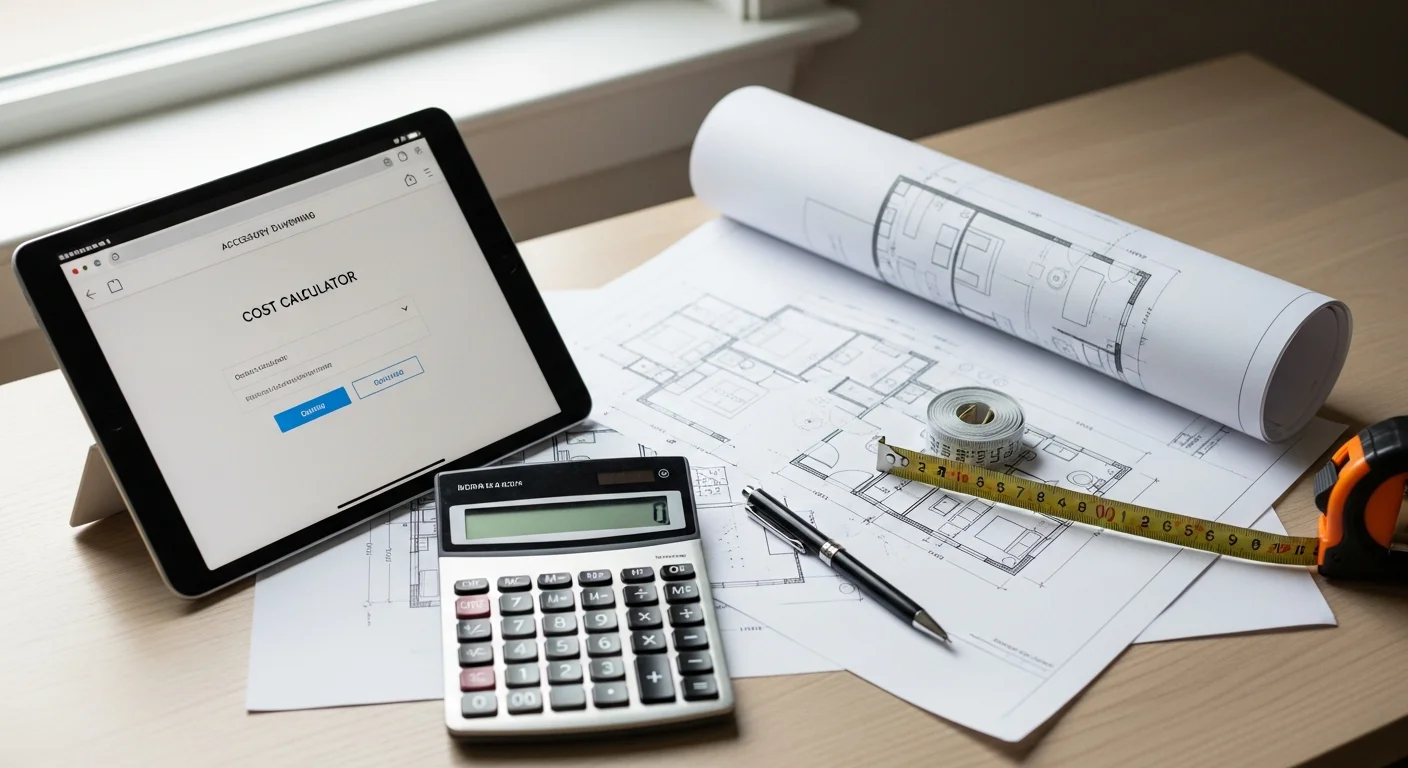
Going into a construction project without a firm budget is a recipe for financial stress. An adu housing project has many moving parts, and small oversights can lead to major budget overruns. A detailed calculator helps you account for often-forgotten expenses like utility tie-ins and landscaping.
Customizing Your Input
Modern calculators allow you to input specific variables like square footage, number of bedrooms, and finish quality. This level of customization ensures that the estimate you receive is relevant to your specific vision and local labor rates. It is the best way to start your 2026 home improvement journey.
Stop guessing and start planning.
Access the 2026 ADU Cost Calculator →Frequently Asked Questions
How much does an ADU cost in California in 2026?
On average, a 2026 ADU project ranges from $100,000 for simple conversions to over $350,000 for custom detached homes. Prices vary by county, materials, and local permit fees. Using a specific local calculator is the best way to determine your unique costs.
Does an ADU count as housing?
Yes, according to the Wikipedia entry on ADUs, they are legal, independent residential units located on the same lot as a stand-alone single-family home. They must include permanent provisions for living, sleeping, eating, cooking, and sanitation.
Are there any new ADU laws for 2026?
Several new regulations in 2026 have limited the ability of HOAs to block ADU construction and have reduced setback requirements to just 4 feet in many areas. These changes make it easier for homeowners with smaller lots to build.
Will an ADU increase my property taxes significantly?
An ADU will trigger a "blended assessment," meaning your primary home’s value is not reassessed, but the new construction is added to your tax basis. This typically results in a modest increase relative to the value added to the property.
How long does it take to build a granny flat?
Most projects take between 8 to 14 months from the start of design to final move-in. The permitting phase usually takes 2-4 months, while construction takes another 6-10 months depending on complexity.
Can I build an ADU myself?
While owner-builder projects are legal, they are highly complex. Hiring a professional familiar with the 2026 building codes is highly recommended to ensure safety and avoid costly mistakes that can delay your certificate of occupancy.
Conclusion
The rise of adu housing represents a significant shift in how we utilize residential land in 2026. By providing a pathway to increased property value, supplemental income, and housing flexibility, these units offer a unique solution to modern economic challenges. Whether you are in the early stages of research or ready to break ground, the tools and resources available today make the process more transparent than ever.
Remember that success in any construction project starts with accurate information. By leveraging professional cost estimators and staying informed on the latest legislative changes, you can ensure that your accessory dwelling unit is a benefit to your family for decades to come. Don't let the complexity of construction deter you from securing your financial future in Winter 2026.
About the Author

Written by William Corcoran, Orange County Home Savings Expert
William Corcoran has helped Orange County families save money on their homes for over 15 years. Specializing in property tax reduction and smart refinancing, he offers expert guidance you can trust. www.energybot.com www.energystar.gov
Related Articles

Ready to Find Your Savings?
Get a free personalized report showing all rebates and incentives your home qualifies for.
Get My Free Report