Heat Pump Water Heater Rebates: 2026 Guide to Installation Savings and Efficiency
Key Takeaways
- Heat pump water heaters offer the highest energy savings for homeowners in Spring 2026
- State and federal rebates can significantly offset the initial investment price
- Most homeowners recover the price difference through energy bill savings within three to five years
- Professional installation is critical to ensure eligibility for local utility incentives
As we move through Spring 2026, many homeowners are facing the reality of aging plumbing infrastructure. The decision to upgrade is often driven by necessity, but in today’s economic climate, understanding the total water heater replacement cost is essential for proper budgeting and maximizing home value. Modern technology has shifted the focus from simple replacements to comprehensive energy upgrades that pay for themselves over time.
With new California regulations and federal incentives fully in effect this year, the landscape of home heating has changed. According to the U.S. Department of Energy, heat pump technology is now the gold standard for efficiency, providing up to three times more efficiency than traditional electric resistance water heaters. This guide will break down what you need to know to make an informed financial decision.
Want to see how much you can save in Orange County?
Use Our Rebate Calculator →Understanding the 2026 Water Heater Replacement Cost
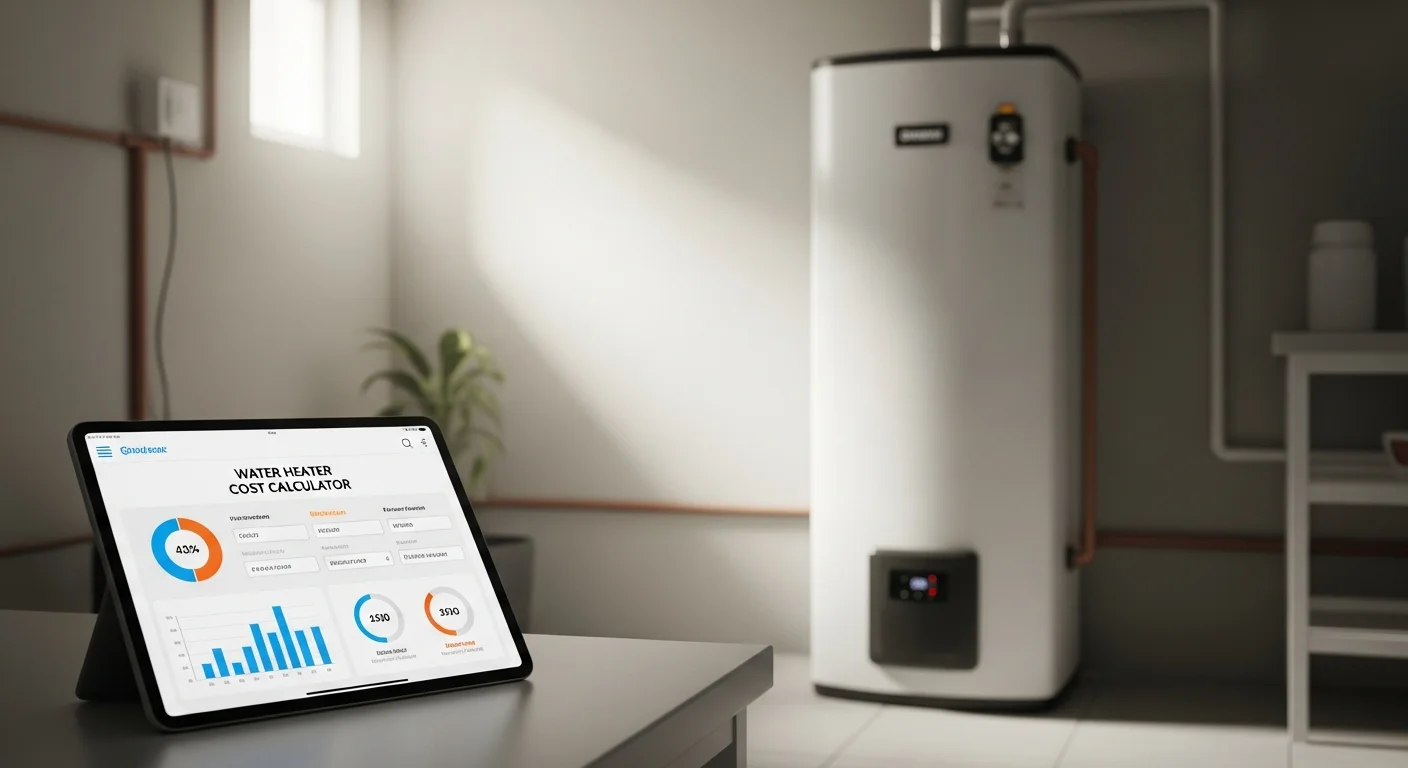
Water Heater Cost Calculator
Buy NowThe water heater replacement cost in 2026 varies significantly based on the technology selected and the complexity of the installation. While a basic tank model may seem cheaper upfront, the rising cost of natural gas and electricity makes high-efficiency units more attractive for long-term ownership.
Market Labor Rates and Material Prices
Labor rates in Southern California have stabilized in 2026, yet specialized skills are required for heat pump and hybrid systems. Expect to pay for licensed plumbing and electrical work, as these systems often require dedicated 240V circuits to operate efficiently.
Permit Requirements and Compliance
Current building codes emphasize safety and energy performance. According to California Energy Commission standards, replacements must meet strict Title 24 requirements, which may involve minor structural or venting modifications.
Maximizing Heat Pump Water Heater Rebates in Spring 2026
Spring 2026 is an ideal time for upgrades because many local utility programs have refreshed their budgets for the fiscal year. These incentives can often cover a substantial portion of the installation price, making high-end equipment more accessible.
Federal Tax Credits Under the Inflation Reduction Act
The 25C tax credit remains a cornerstone of home efficiency financing. Homeowners can claim up to 30% of the project cost, capped at $2,000 annually for heat pump water heaters. This is a direct reduction of your tax liability for the 2026 tax year.
TECH Clean California Incentives
State-wide initiatives like TECH Clean California continue to offer point-of-sale discounts. These programs are designed to accelerate the adoption of low-carbon technologies, often providing thousands of dollars in immediate relief.
| Water Heater Type | Avg. Replacement Cost | Available Rebates |
|---|---|---|
| Standard Gas Tank | $1,800 - $3,200 | Minimal |
| Tankless Gas | $3,500 - $5,500 | $300 - $1,000 |
| Heat Pump (Hybrid) | $4,500 - $8,000 | $2,000 - $5,000+ |
Ready to upgrade to a Heat Pump system?
Check Your Eligible Rebates →Choosing Between Tankless and Heat Pump Technology
While both technologies offer improvements over traditional tanks, they serve different household needs. Choosing the right one is essential for optimizing your water heater replacement cost vs. performance ratio.
Energy Efficiency Ratios (UEF)
Heat pumps lead the market with Uniform Energy Factors (UEF) often exceeding 3.5. This means for every unit of energy consumed, they produce 3.5 units of heat. Research from ENERGY STAR highlights that this efficiency is unmatched by even the best gas tankless systems.
Space Requirements and Airflow
Heat pumps require a certain volume of air to extract heat effectively. If your unit is in a small closet, you may need louvered doors or ducting. Tankless units are compact but require specialized venting to handle exhaust gases safely.
Factors That Influence Your Installation Expenses
It is important to look beyond the price of the unit itself. Several site-specific factors can drive the water heater replacement cost higher or lower depending on your home's existing setup.
Electrical Panel Upgrades
If you are switching from gas to a heat pump, your electrical panel must be able to support the new load. In 2026, many homeowners are opting for "smart panels" that better manage heat pump, EV charging, and solar loads simultaneously.
Condensate Management
High-efficiency units produce condensation. Installing a proper drainage line or a condensate pump is a necessary step that adds a small but vital component to the overall project scope.
The Long-Term Benefits of High-Efficiency Systems
The shift toward electrification in 2026 isn't just about the environment; it is a smart financial move. Lowering your monthly utility burden provides a hedge against the volatile energy prices seen in recent years.
Impact on Home Resale Value
Modern buyers prioritize energy-efficient homes. According to InterNACHI, homes with updated, high-efficiency mechanical systems often sell faster and at a premium compared to those with legacy gas appliances.
Environmental Stewardship
By choosing a heat pump, you significantly reduce your household's carbon footprint. Since heat pumps move heat rather than creating it, they are the most sustainable way to provide hot water in a modern residential setting.
Don't leave money on the table this Spring.
Calculate Your Savings Now →Planning Your Water Heater Upgrade Strategy
The best time to consider the water heater replacement cost is before your current unit fails. Emergency replacements often result in higher fees and fewer choices, as homeowners are forced to take whatever is in stock.
Hiring Certified Professionals
Ensure your contractor is familiar with local rebate processing. Many programs require the installer to be part of a verified network to unlock the highest incentive tiers. Ask for proof of licensing and specific experience with heat pump brands.
Using Our Cost Calculator
Our proprietary calculator at Orange County Home Savings takes the guesswork out of the process. By inputting your zip code and current utility provider, you can see a realistic projection of your net investment after all applicable 2026 rebates are applied.
Frequently Asked Questions
How long do heat pump water heaters last compared to gas?
A well-maintained heat pump water heater typically lasts 10 to 15 years. This is comparable to traditional gas units, though the absence of a combustion chamber can sometimes lead to fewer corrosive issues over time.
Are the 2026 rebates available for DIY installations?
Most utility and state rebates require professional installation by a licensed contractor to ensure safety and efficiency standards. Federal tax credits may still apply to the equipment cost, but always check specific program rules first.
Will a heat pump water heater work in a cold garage?
Yes, modern 2026 models are designed to operate efficiently in temperatures down to 40°F. If the garage gets colder, the unit will temporarily switch to standard electric resistance mode to ensure you still have hot water.
How much can I save on my monthly bill?
The average family can save between $300 and $500 annually when switching from a standard electric water heater. Savings compared to gas depend on local utility rates, but the trend in 2026 favors heat pump technology.
What is the main drawback of a heat pump system?
The primary drawback is the higher initial purchase price and the need for adequate air volume for the heat exchange process. However, rebates in Spring 2026 are specifically designed to mitigate these initial hurdles.
Conclusion
Making an informed decision about your water heater replacement cost is one of the most impactful home maintenance choices you will make this year. By leveraging the aggressive rebates available in Spring 2026, you can transition to a cleaner, more efficient home without breaking the bank. The combination of federal tax credits and local California incentives has never been more favorable for homeowners.
At Orange County Home Savings, we are dedicated to helping you navigate these complex financial decisions. Our team of experts, led by William Corcoran, stays at the forefront of the latest energy trends and incentive programs to ensure you get the maximum value from your home upgrades. Don't wait for an emergency—plan your high-efficiency transition today and enjoy the comfort of reliable, low-cost hot water for years to come.
About the Author

Written by William Corcoran, Orange County Home Savings Expert
William Corcoran has helped Orange County families save money on their homes for over 15 years. Specializing in property tax reduction and smart refinancing, he offers expert guidance you can trust. www.energybot.com www.energystar.gov
Related Articles

Ready to Find Your Savings?
Get a free personalized report showing all rebates and incentives your home qualifies for.
Get My Free Report