California Lawn Replacement Rebates 2026: Sustainable Garden Design Ideas and Water Saving Landscaping Advantages
Key Takeaways
- Homeowners can receive significant financial incentives for removing thirsty grass in Spring 2026
- Drought tolerant landscapes reduce monthly water bills by up to sixty percent
- Qualified projects must follow specific plant density and soil requirements to receive funding
- Calculating your potential rebate before starting the project is essential for budgeting
As we enter Spring 2026, California homeowners are facing a new reality regarding residential water usage. With fluctuating precipitation patterns, accessing a turf replacement program can significantly alleviate the financial burden of maintaining a lush exterior. Modern landscaping is no longer just about aesthetics; it is about resource management and long-term sustainability.
Many residents are unaware that local agencies have increased funding for water conservation grants this year. By transitioning away from traditional turf, you can create a vibrant, habitat-friendly environment that requires a fraction of the maintenance. This guide will help you navigate the complexities of rebate applications and design strategies.
Understanding the California Turf Replacement Program in 2026
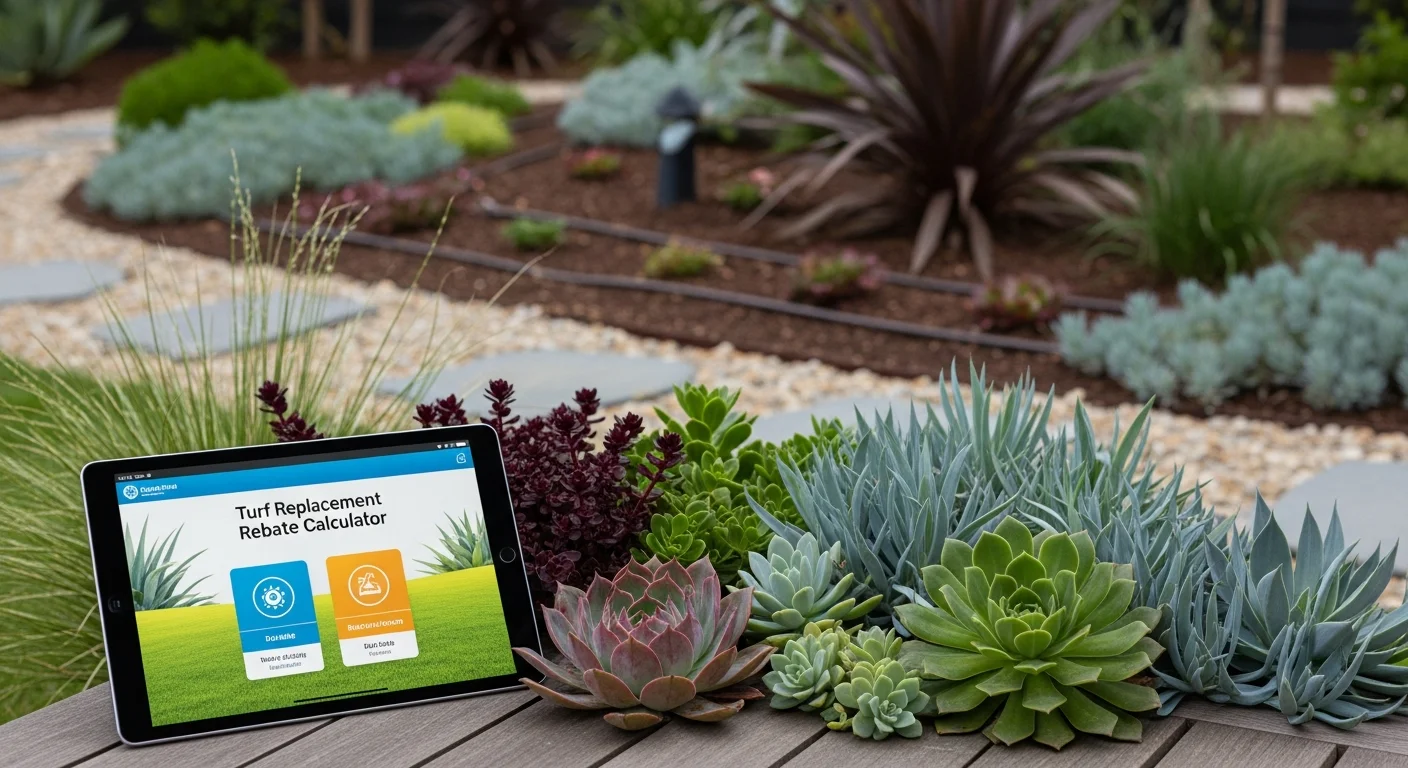
Turf Replacement Rebate Calculator
Buy NowNew Standards for Spring 2026
The latest updates to state-wide conservation efforts have expanded the scope of eligible projects. According to the Metropolitan Water District of Southern California, the 2026 guidelines prioritize biodiversity and soil health alongside water reduction. This means your project must incorporate more than just gravel; it requires living, breathing ecosystems.
Regional Differences in Funding
While the baseline rebate is generous, specific municipalities often offer "add-on" incentives. For instance, Orange County turf removal incentives might be higher than those in neighboring counties due to local groundwater replenishment goals. Always check your specific zip code before finalizing your budget.
High Water Bills from Lawn Maintenance: Why Change Now?
The Economic Impact of Outdoor Watering
Outdoor irrigation accounts for nearly 50% to 70% of a typical California household's water usage. Research from the U.S. Environmental Protection Agency suggests that half of this water is lost to evaporation or runoff. By removing turf, you are cutting out the least efficient part of your utility budget.
Rising Utility Rates in 2026
Energy and water delivery costs have continued to climb through 2026. Investing in a permanent landscape change acts as a hedge against future rate hikes. You are essentially pre-paying for your future savings by utilizing current rebate funds.
Want to see how much you can save? Check your eligibility today!
Open Rebate Calculator →How to Qualify for Turf Rebate and Maximize Your Savings
Step-by-Step Application Process
The first rule of any rebate is: do not start the work until you have reservation approval. Local agencies require a "before" inspection or photo documentation to verify that living grass is actually being replaced. The local turf replacement program typically requires a project area of at least 250 square feet to qualify for most residential grants.
Technical Requirements for 2026 Projects
Most rebate programs now require specific elements like three plants per 100 square feet, a rainwater capture feature, and the use of permeable mulch. As noted by the California Department of Water Resources, these features ensure that rain stays on your property rather than flowing into the ocean with pollutants.
Real Grass vs Drought Tolerant Plants: Making the Right Choice
Choosing the right approach depends on your lifestyle. While artificial grass offers a green look year-round, native gardens provide biodiversity and better cooling effects for your home's microclimate.
| Landscape Type | Maintenance Level | Water Saving Potential |
|---|---|---|
| Traditional Turf | Very High | 0% |
| Native Plant Garden | Low (seasonal) | 70-90% |
| Artificial Grass | Very Low | 100% |
| Succulent/Rock Garden | Minimal | 80-95% |
Calculate your estimated rebate amount in seconds.
Use the Rebate Calculator →Best Grass Alternative for Southern California Gardens
Top Performing Native Species
For those who still want the "green carpet" look without the thirst, consider Kurapia or UC Verde Buffalograss. According to the University of California Agriculture and Natural Resources, these species use up to 75% less water than traditional Kentucky Bluegrass or Fescue.
Groundcovers and Low-Growing Shrubs
When applying for a turf replacement program, ensure your plant list includes drought-hardy groundcovers like Dymondia or Myoporum. These create dense mats that suppress weeds and retain soil moisture beautifully in the Southern California heat.
Sustainable Garden Design Ideas 2026 for Every Homeowner
The Modern Dry Creek Bed
Designing with functionality in mind often leads to the most beautiful results. A dry creek bed not only adds visual interest and texture but serves as a swale to catch water during Spring showers. This satisfies the "rainwater capture" requirement of many rebate programs.
Pollinator-Friendly Native Clusters
Incorporating California Poppies, Sage, and Manzanita helps restore local wildlife corridors. The California Native Plant Society provides excellent resources for finding plants that are indigenous specifically to your neighborhood.
Frequently Asked Questions
How much can I actually get back from the turf replacement program?
Rebate amounts typically range from $2.00 to $5.00 per square foot depending on your water district and current funding levels in 2026. For a standard 1,000 square foot lawn, this could mean a check for $3,000 or more to help cover your landscaping costs.
Can I use artificial turf and still get a rebate?
In many districts, artificial turf is eligible, but it must be permeable to allow water to soak into the ground. However, some strictly "eco-friendly" grants only provide funds for living native plants, so it is crucial to check your specific program rules before purchasing materials.
Does the new landscape have to be professionally installed?
No, most programs allow for DIY installation. The rebate is based on the square footage of grass removed and the successful implementation of required design elements, regardless of who performs the labor.
How long does the approval process take?
Reservation approvals usually take 2-4 weeks during the busy Spring 2026 season. Once the project is completed and inspected, the actual rebate check is typically mailed within 8-12 weeks.
What happens if my new plants die?
Most programs require the new landscape to remain in place for at least five years. While individual plant loss is expected, the overall area must be maintained as a drought-tolerant garden, or the agency may technically have the right to request a pro-rated refund of the rebate.
Taking advantage of the current water saving landscaping advantages is a strategic move for any California homeowner. The transition from a high-maintenance lawn to a sustainable garden reduces work, saves money, and enhances the local environment. As we look ahead through the rest of 2026, these programs are expected to remain a cornerstone of state conservation policy.
The long-term benefits of a turf replacement program extend far beyond the initial check. You are contributing to a more resilient community while increasing your property value with a modern, professional look. Start your transformation today by calculating your potential savings and planning your dream garden.
Ready to transform your home? Start with our free calculation tool.
Get Your Rebate Estimate Now →About the Author

Written by William Corcoran, Orange County Home Savings Expert
William Corcoran has helped Orange County families save money on their homes for over 15 years. Specializing in property tax reduction and smart refinancing, he offers expert guidance you can trust. www.energybot.com www.energystar.gov
Related Articles

Ready to Find Your Savings?
Get a free personalized report showing all rebates and incentives your home qualifies for.
Get My Free Report