Landscape Transformation Incentives: How to Calculate Your 2026 Water Saving Rebates
Key Takeaways
- California rebates for 2026 offer significant financial offsets for grass removal
- Accurate square footage measurements are critical for rebate approval
- Pre-approval is mandatory before any landscaping work begins
- Drought tolerant landscapes can reduce outdoor water usage by up to sixty percent
As we move through Winter 2026, California homeowners are facing a unique opportunity to revitalize their property while contributing to state-wide conservation efforts. Transitioning from a thirsty lawn to a sustainable landscape is no longer just an environmental choice; it is a strategic financial decision. Planning your garden overhaul requires precision, and utilizing a professional turf calculator is the first step to ensuring you secure every available dollar from local water districts.
The landscape transformation programs of 2026 have been expanded to include more comprehensive incentives for permeable surfaces and native flora. By understanding the nuances of these rebates, you can effectively eliminate the high cost of lawn maintenance. According to the California Department of Water Resources, outdoor irrigation accounts for roughly half of residential water use, making turf removal a top priority for utility companies.
Understanding California Turf Replacement Rebate 2026
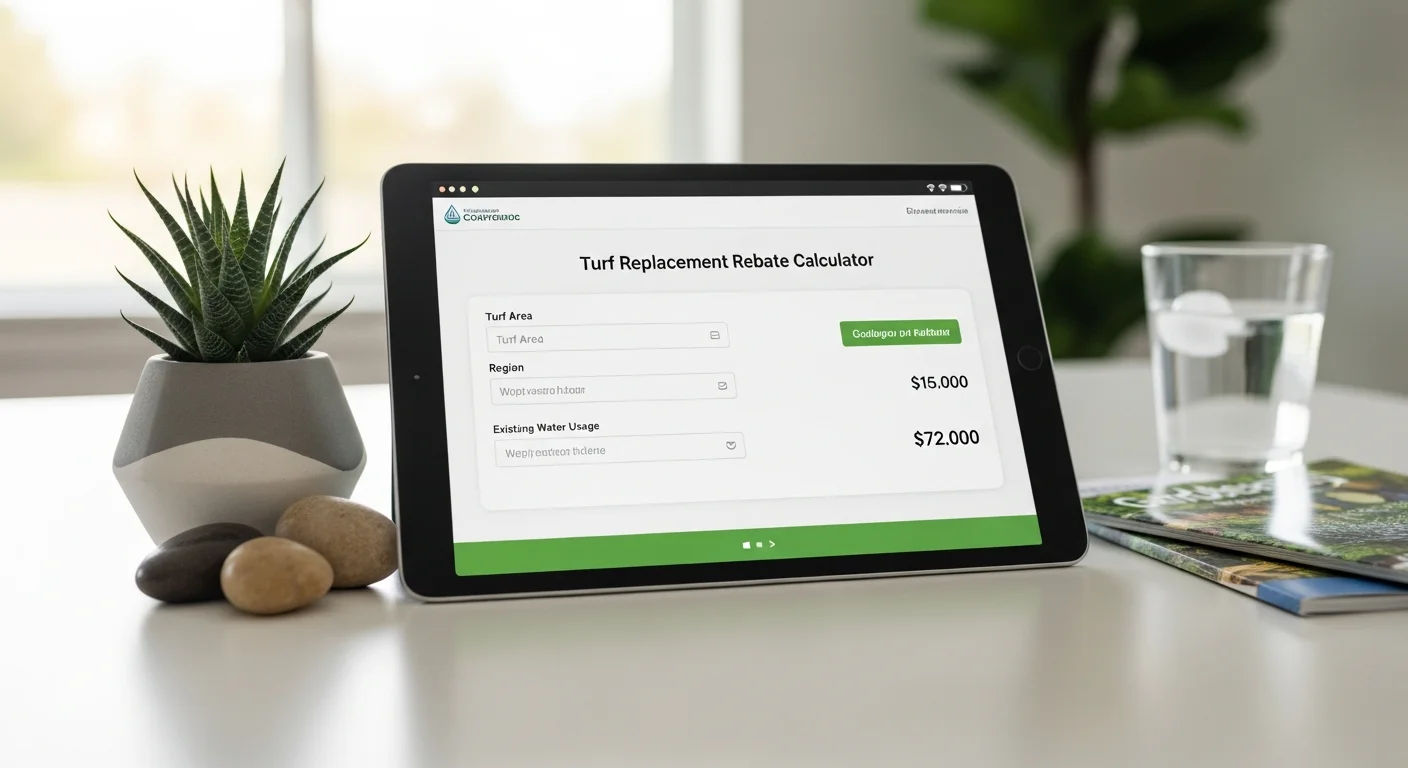
Turf Replacement Rebate Calculator
Buy NowNew Standards for 2026 Incentives
The 2026 rebate cycle introduces stricter requirements for plant density and soil health. Homeowners must now include a specific percentage of living plant cover to qualify for the maximum payout. This ensures that replaced lawns do not simply become "heat islands" of gravel, but rather thriving ecosystems that support local pollinators.
The Pre-Approval Process
One of the most common mistakes is beginning demolition before receiving a reservation. You must submit photos of your existing, living green grass and wait for a notice to proceed. Failing to follow this sequence can result in immediate disqualification from the program.
Ready to see how much your lawn is worth?
Calculate Your Rebate Now →Using a Turf Calculator to Estimate Your Savings
Measuring Square Footage Accurately
To get an accurate estimate, you must measure the actual irrigated area of your lawn. Many homeowners find that using a turf calculator helps them visualize the project scope while providing a realistic expectation of the final check amount. Most rebates in 2026 are calculated on a per-square-foot basis, often starting at $3.00 or higher depending on your local water district.
Projecting Long-Term ROI
Beyond the initial check, your turf calculator results should be compared against your monthly utility bills. According to EPA WaterSense, switching to water-efficient landscaping can save the average household thousands of gallons of water annually, leading to a permanent reduction in fixed living expenses.
Grass Replacement Cost vs Savings: Is it Worth It?
Initial Investment vs. Rebate Payout
While the upfront cost of landscape design and installation can be significant, the 2026 rebates are designed to cover a substantial portion of these expenses. Many homeowners in Orange County report that the incentives cover 50% to 80% of their total project costs when using sustainable, low-maintenance materials.
| Landscape Type | Annual Water Cost | Rebate Potential |
|---|---|---|
| Traditional Turf | High ($1,200+) | $0 |
| Drought Tolerant Garden | Low ($300 - $400) | $3,000 - $10,000+ |
Don't leave money on the table this year.
Start Your Savings Estimate →Best Drought Tolerant Plants for 2026 Gardens
Native California Favorites
For the Winter 2026 planting season, experts recommend focusing on species like California Lilac, Sage, and Buckwheat. These plants are evolutionarily adapted to our local climate, requiring minimal intervention once established. According to the California Native Plant Society, native gardens use one-seventh the water of traditional lawns.
Creating Seasonal Interest
A sustainable garden doesn't have to be brown. By layering plants with different blooming schedules, you can maintain a vibrant yard throughout the year. Succulents like Agave and Echeveria provide structural beauty, while perennials like California Poppy offer bursts of color in the spring.
Orange County Water Saving Rebates and Eligibility
Municipal Specific Programs
Various cities across Orange County offer "add-on" rebates that can be stacked with the regional Metropolitan Water District funds. Researching your specific water provider is essential, as some municipalities offer higher rates per square foot to encourage faster adoption of drought-friendly practices.
Smart Irrigation Integration
In 2026, many rebate programs require the installation of weather-based irrigation controllers (WBIC). These smart devices adjust watering schedules based on local weather forecasts, further maximizing the efficiency of your new landscape transformation project.
Expert help is just a click away.
Connect With an Expert →Frequently Asked Questions
Can I use artificial turf to qualify for the rebate?
Most California rebate programs in 2026 do not permit artificial turf as a replacement for live grass. The focus has shifted toward living, permeable landscapes that support biodiversity and manage stormwater runoff effectively.
How long does it take to receive the rebate check?
Once your project passes the post-installation inspection, checks are typically issued within 8 to 12 weeks. Ensuring your initial application matches your final build is the best way to avoid processing delays.
Is there a limit on how much I can receive?
Most residential programs have a cap on the total square footage eligible for a rebate, often ranging from 2,000 to 5,000 square feet. Commercial properties typically have much higher limits.
Do I need to hire a professional landscaper?
While DIY projects are eligible, hiring a professional can ensure your design meets the strict density and mulch requirements mandated by the 2026 program guidelines.
What happens if my grass is already dead?
To qualify for the rebate, the area must show evidence of recent irrigation and live turf. If your lawn has been dirt or weeds for several years, it may not meet the program's eligibility criteria.
Conclusion
Transforming your landscape is one of the most impactful ways to increase your home's value while embracing California's water-wise future. By utilizing a turf calculator today, you can gain a clear understanding of the financial incentives waiting for you in 2026. The shift toward sustainable gardening is not just a trend; it is a vital part of protecting our state's precious water resources.
Take the first step toward a beautiful, low-maintenance yard that pays you back. Whether you are looking to reduce your environmental footprint or simply want to lower your monthly bills, the landscape transformation programs of this year offer the perfect path forward. Secure your pre-approval now and start your journey toward a more resilient home.
About the Author

Written by William Corcoran, Orange County Home Savings Expert
William Corcoran has helped Orange County families save money on their homes for over 15 years. Specializing in property tax reduction and smart refinancing, he offers expert guidance you can trust. www.energybot.com www.energystar.gov
Related Articles

Ready to Find Your Savings?
Get a free personalized report showing all rebates and incentives your home qualifies for.
Get My Free Report