Home EV Charging Solutions: A Guide to Faster Charging and Installation Costs in 2026
Key Takeaways
- Level 2 charging stations provide up to 44 miles of range per hour compared to standard wall outlets.
- Local rebates and federal tax credits in 2026 can offset up to 30 percent of installation expenses.
- Professional installation is critical for safety and to maintain your vehicle manufacturer warranty.
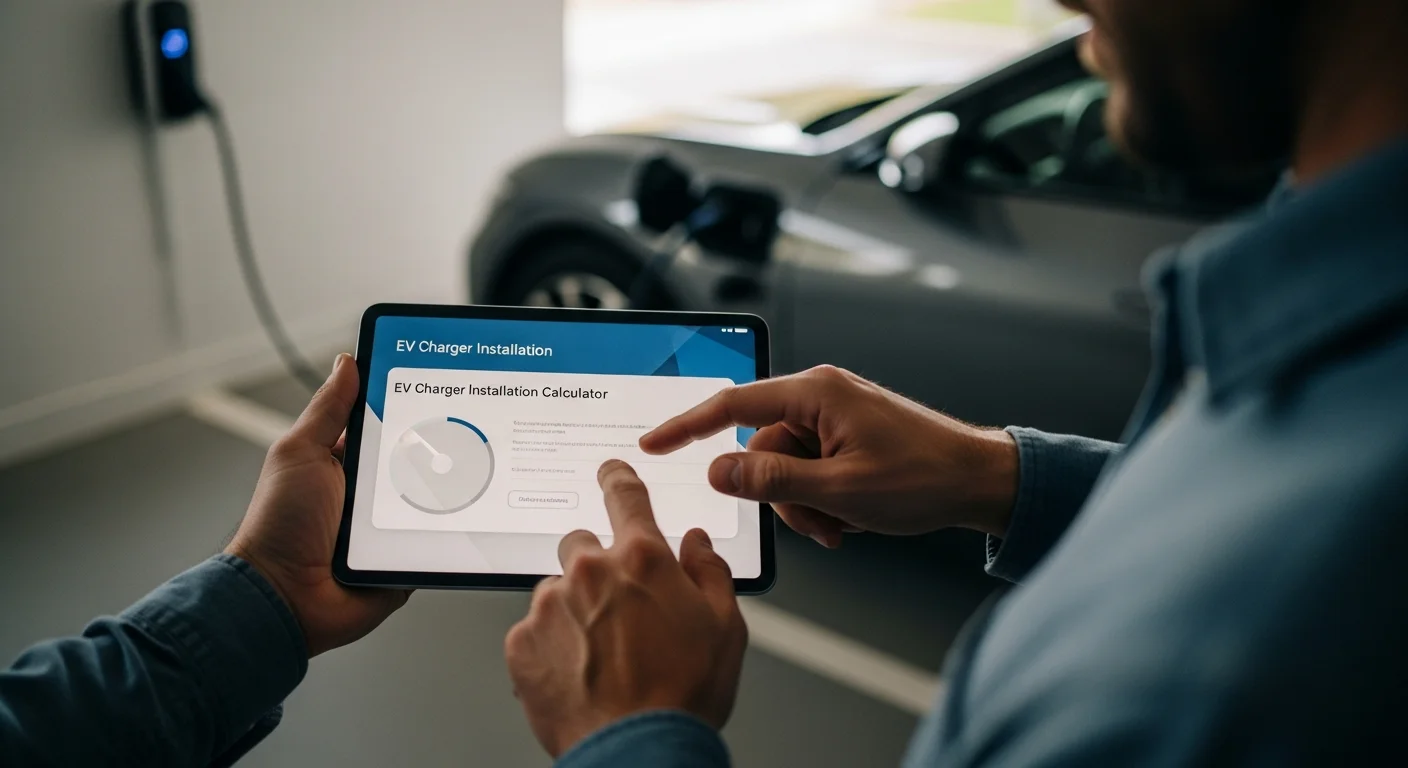
- Our online calculator provides instant estimates for equipment and labor based on your specific home layout.
As we move further into Spring 2026, the transition to sustainable energy has accelerated across Southern California. For many new electric vehicle owners, the convenience of waking up to a full battery is the primary benefit of going green. However, selecting the right equipment, such as a tesla home charger, requires understanding your home's electrical capacity and the latest technology available in the current market.
According to the U.S. Department of Energy charging guide, over 80% of EV charging happens at home. This makes the installation of a dedicated Level 2 station a smart investment for your property. By optimizing your setup now, you ensure long-term compatibility with future vehicle models and take advantage of modern smart-grid features.
Understanding Home EV Charging Options
EV Charger Installation Calculator
Buy NowLevel 1 vs. Level 2 Charging
Level 1 charging uses a standard 120V household outlet. While convenient, it is incredibly slow, adding only about 3-5 miles of range per hour. In contrast, level 2 charging station benefits include significantly faster speeds, often fully replenishing a battery overnight. Most 2026 EV models require Level 2 capability to be practical for daily commuting.
Electrical Panel Requirements
To support a fast home charger, your electrical panel generally needs a dedicated 240V circuit. Depending on the age of your home, an upgrade to a 200-amp service may be necessary. Modern 2026 smart panels can help manage this load without expensive utility upgrades.
Want to know what your specific setup will cost?
Calculate Your Installation Cost →Choosing a Tesla Home Charger Setup
The Tesla Wall Connector
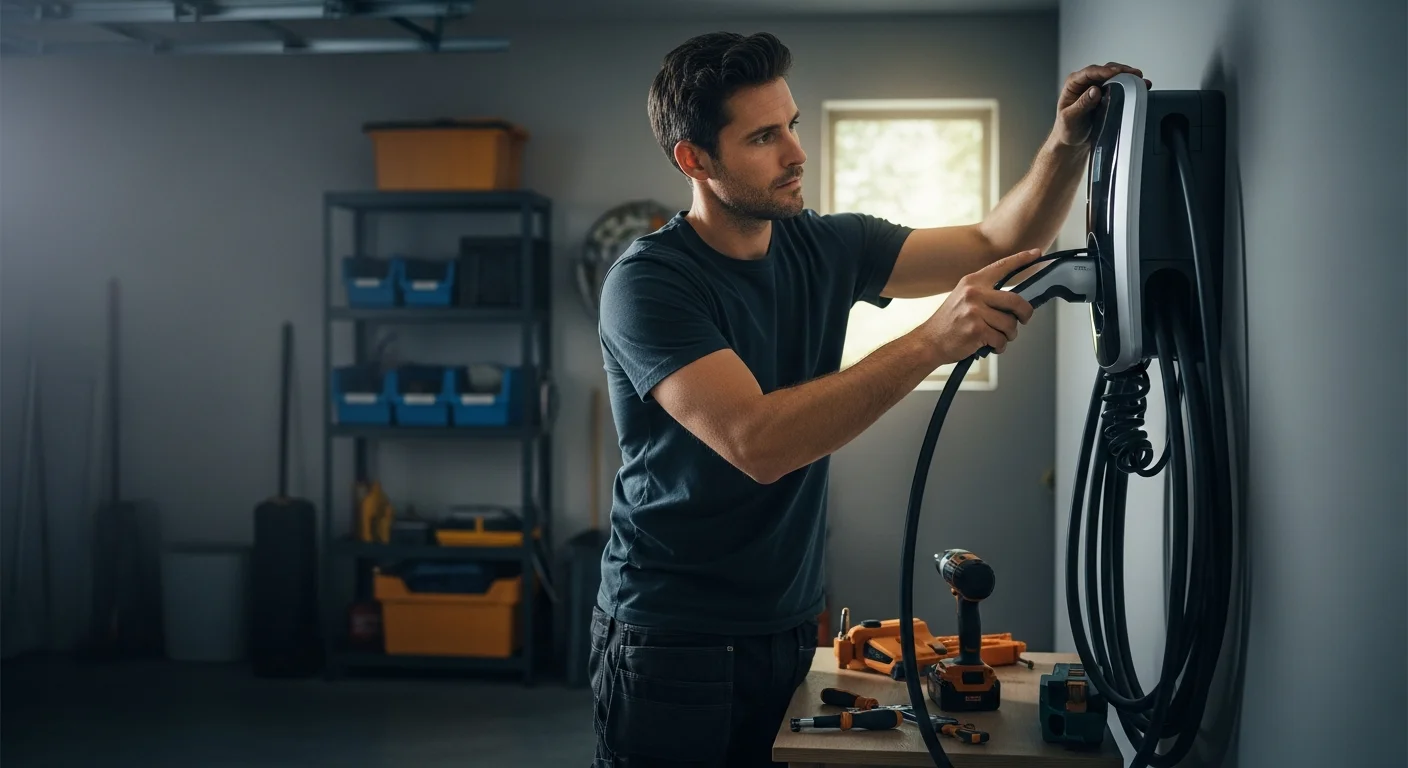
The current 2026 tesla home charger (Wall Connector) is the gold standard for Tesla owners. It offers Wi-Fi connectivity for firmware updates and power sharing, allowing multiple chargers to operate on a single circuit. It provides the maximum power output allowed for residential settings.
Mobile Connector vs. Hardwired Stations
While the mobile connector is portable, a hardwired Wall Connector is more reliable and faster. According to Tesla Support official documentation, hardwired installations are preferred for weather resistance and consistent high-amperage delivery.
The Real Cost to Install Electric Car Charger at Home
Breaking Down Equipment vs. Labor
The tesla wall connector installation cost typically ranges from $700 to $2,000 depending on the complexity. Labor is usually the largest variable, influenced by the distance between your electrical panel and the garage. A tesla home charger hardware unit itself is priced competitively with other high-end universal chargers.
| Component | Estimated Price (2026) |
|---|---|
| Charging Hardware | $450 - $600 |
| Permits & Inspections | $150 - $400 |
| Electrical Labor | $500 - $1,500 |
Estimate your total savings and installation costs instantly.
Open Cost Calculator →Maximizing 2026 Rebates and Tax Credits
Federal Alternative Fuel Infrastructure Tax Credit
The IRS continues to offer significant incentives for residential EV infrastructure. According to the IRS Alternative Fuel Credit page, homeowners may be eligible for a credit up to 30% of the cost of hardware and installation.
Local Orange County Utility Rebates
Residents searching for rebates for home ev chargers orange county will find that SCE and other local providers often provide direct rebates for installing smart-charging stations. These programs are designed to encourage off-peak charging to stabilize the local grid during the Spring 2026 peak demand months.
Why Professional Installation Matters
Safety and Code Compliance
A high-voltage EV charger pulls more continuous power than almost any other appliance in your home. Professional installation ensures that the wiring and circuit breakers are correctly sized to prevent overheating. As noted in the National Electrical Code (NEC) guidelines, specific safety protocols must be followed for EVSE equipment.
Warranty Protection
Many manufacturers will void your equipment warranty if it is not installed by a licensed electrician. By hiring a pro, you ensure your investment is protected and that the local utility will approve your rebate application, which often requires a signed electrical permit.
Using the EV Charger Installation Calculator
Accuracy for Orange County Homeowners
Our how to calculate ev charging installation costs tool takes the guesswork out of your transition to electric. By inputting your garage location and current panel capacity, you can see a realistic range of costs before you even call an electrician.
Planning for Future Proofing
The calculator also helps you evaluate if you should run extra capacity for a second vehicle. Even if you only have one Tesla today, installing a larger conduit now can save thousands in future labor costs as your household EV fleet grows.
Ready to upgrade your home for Spring 2026?
Get Your Free Estimate Now →
Frequently Asked Questions
Can I install a Tesla home charger myself?
While technically possible for those with advanced electrical knowledge, it is strongly discouraged. High-voltage 240V work requires professional expertise to meet fire safety standards and local building codes. Most cities in Orange County require a permit that only a licensed contractor can pull.
How long does the installation take?
Most standard installations are completed within 3 to 6 hours. If your home requires a main electrical panel upgrade or significant trenching, the process may span two days. A quick site assessment via our calculator can give you a better idea of the timeline for your specific property.
What is the difference between a Tesla Wall Connector and a NEMA 14-50 outlet?
A Wall Connector is a hardwired station that provides faster charging (up to 48 amps) and smart features. A NEMA 14-50 is a heavy-duty outlet that allows you to plug in a mobile connector (up to 32 amps). The hardwired tesla home charger is generally considered more robust and safer for daily high-speed use.
Are there incentives available in Spring 2026?
Yes, there are several active programs in 2026, including the federal tax credit and regional utility rebates. Many of these programs are tiered based on your income or the type of charger installed, specifically rewarding smart-chargers that help manage grid load.
Will a Tesla charger work with other EVs?
The latest Tesla Universal Wall Connector comes with a built-in J1772 adapter, making it compatible with virtually every electric vehicle sold in North America. This makes it a great investment if you plan on having a multi-brand EV household in the future.
Final Thoughts on Home Charging
Installing a tesla home charger is more than just a convenience; it is a significant upgrade to your home's infrastructure. By choosing the right equipment and utilizing a professional installer, you ensure that your vehicle is always ready to go while maximizing the safety and value of your property. As technology continues to evolve in 2026, staying ahead with a smart, high-speed charging solution is the most effective way to enjoy the EV lifestyle.
Before you start your project, remember to leverage the available tools to plan your budget. Between federal tax credits and local Orange County incentives, the out-of-pocket cost for a premium charging setup is lower than ever. Use our calculator at Orange County Home Savings to get started on your journey toward seamless home energy management today.
About the Author

Written by William Corcoran, Orange County Home Savings Expert
William Corcoran has helped Orange County families save money on their homes for over 15 years. Specializing in property tax reduction and smart refinancing, he offers expert guidance you can trust. www.energybot.com www.energystar.gov
Related Articles

Ready to Find Your Savings?
Get a free personalized report showing all rebates and incentives your home qualifies for.
Get My Free Report