Efficient Tesla Power Solutions: 2026 Guide to Home Charging Stations and Installation
Key Takeaways
- Level 2 charging adds up to forty four miles of range per hour of charging
- Federal tax credits and local Orange County rebates can cover significant hardware costs
- Professional installation is required to ensure electrical panel safety and code compliance
- The Tesla Wall Connector remains the fastest and most integrated option for residential use
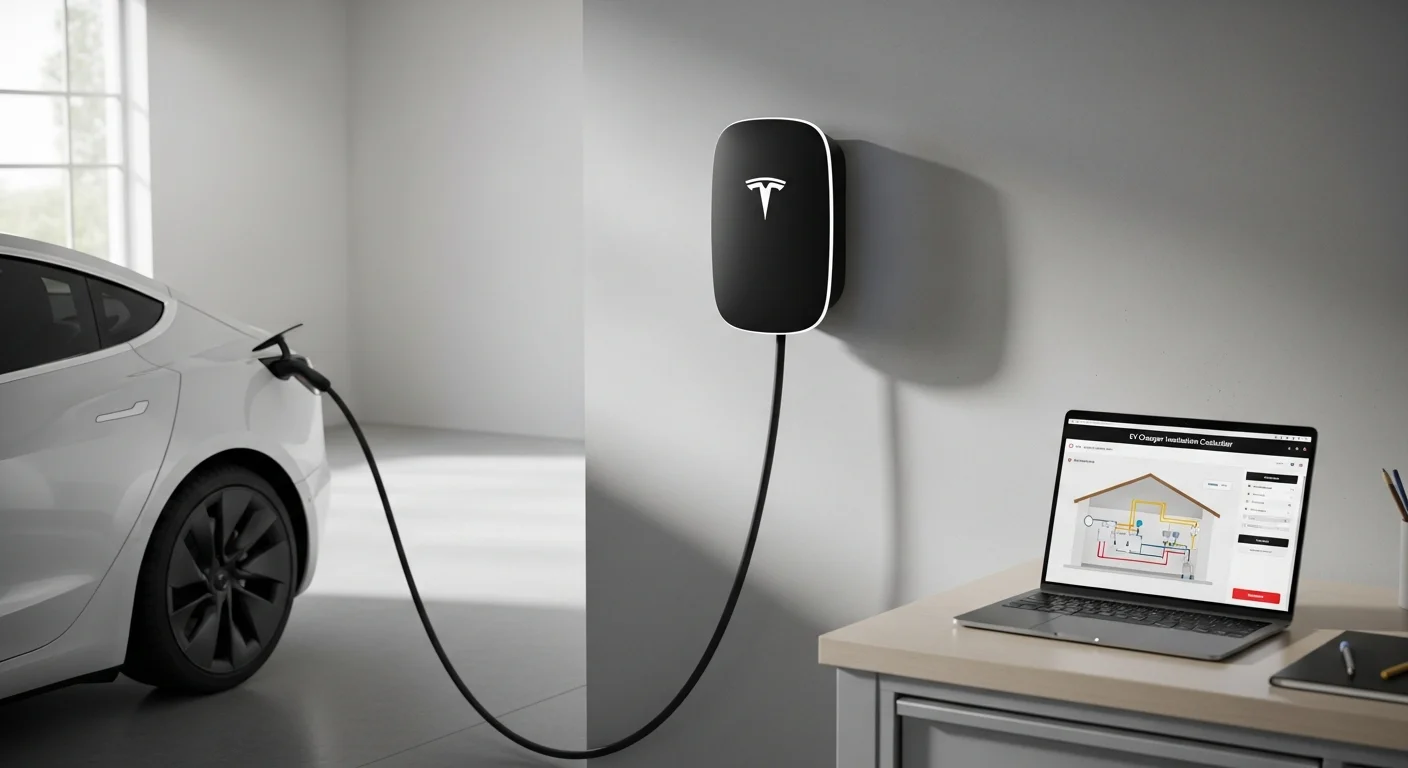
As we enter Spring 2026, electric vehicle adoption in Southern California has reached an all-time high. For many new owners, deciding on the right setup for tesla charging for home remains a top priority to ensure maximum convenience and cost-efficiency. Transitioning from public superchargers to a dedicated residential station can save you hundreds of dollars annually while extending the lifespan of your battery through slower, more controlled power delivery.
Understanding the nuances of electrical load management and the latest hardware options is essential for a safe installation. Whether you are moving into a new home or upgrading your existing garage, the technology available in 2026 offers smarter integration with solar panels and home energy storage than ever before. This guide will walk you through the essential steps to get your home ready for the future of transportation.
Want to see how much you can save on your installation?
Calculate Your Savings Now →Tesla Home Charging Station Cost in 2026
EV Charger Installation Calculator
Buy NowHardware Costs for Modern Units
The tesla home charging station cost typically ranges between $450 and $600 for the unit itself. In 2026, the Tesla Wall Connector remains the gold standard, offering 48 amps of power and Wi-Fi connectivity for over-the-air firmware updates. This hardware is designed to withstand outdoor elements, though most Orange County residents prefer garage installations.
Labor and Panel Upgrade Expenses
Installation labor costs can vary significantly based on your home's age and current electrical capacity. If your main panel is already at its limit, you may require a sub-panel or a full service upgrade to 200 amps. According to the California Public Utilities Commission, electrical infrastructure upgrades are becoming increasingly common as homes transition to all-electric appliances.
Best Home Charger for Tesla 2026
Comparing the Wall Connector and Mobile Connector
When evaluating tesla charging for home, the primary choice is between the hardwired Wall Connector and the portable Mobile Connector. The Mobile Connector is limited to 32 amps and requires a NEMA 14-50 outlet, whereas the Wall Connector provides faster speeds and a more permanent, clean aesthetic for your garage.
Universal vs. Proprietary Connectors
In 2026, many manufacturers have adopted the North American Charging Standard (NACS). This means the best home charger for tesla 2026 might actually be a universal unit if you plan on owning non-Tesla EVs in the future. However, for the most seamless integration with the Tesla app and thermal management, the official Wall Connector is still recommended by experts.
| Charger Type | Max Power Output | Best Use Case |
|---|---|---|
| Tesla Wall Connector | 11.5 kW (48 Amps) | Daily primary home charging |
| Tesla Mobile Connector | 7.6 kW (32 Amps) | Travel and emergency backup |
| Universal J1772 Level 2 | 9.6 kW (40 Amps) | Mixed EV households |
Ready to install your Level 2 station?
Get Your Installation Quote →Home EV Charger Installation Guide
Permitting and Local Regulations
Before any wire is pulled, you must secure the proper permits from your local building department. In Orange County, the home ev charger installation guide suggests that most cities offer expedited permitting for residential EVSE projects. Failure to permit your installation could lead to insurance complications or issues when selling your property later.
Wire Gauge and Breaker Selection
For a 48-amp charging experience, you need a 60-amp circuit breaker. Professional installers use high-quality 6 AWG copper wire to handle the continuous load. According to Tesla technical documentation, proper grounding is critical to avoid charging faults during damp Spring weather.
Maximizing Savings with Tesla Charging Rebates 2026
Federal Tax Credit (Section 30C)
The Alternative Fuel Vehicle Refueling Property Credit has been extended through 2026. This allow homeowners in eligible census tracts to claim a 30% tax credit on the cost of hardware and installation. According to the IRS, this can provide up to $1,000 in direct tax relief for residential projects.
Utility Program Incentives in Orange County
Local utility providers often offer tesla charging rebates 2026 that can significantly offset your upfront investment. For instance, Southern California Edison (SCE) frequently provides rebates for "Charge Ready" homes that install smart chargers during off-peak windows. These programs are designed to reduce the strain on the grid while rewarding you for sustainable habits.
Selecting the Best Setup for Tesla Charging for Home
Assessing Daily Range Needs
When optimizing the efficiency for tesla charging for home, consider your actual daily commute. Most drivers travel less than 40 miles per day, which means even a 32-amp circuit can easily replenish your battery overnight. However, installing a higher-amperage circuit now ensures you are future-proofed for larger batteries or dual-EV households.
Smart Scheduling and Solar Integration
Modern Tesla firmware allows for seamless integration with Powerwall and solar arrays. By scheduling your charging for the middle of the day or late at night, you can take advantage of the lowest utility rates. According to Energy.gov, managed charging is the most effective way to lower the total cost of EV ownership.
Calculate your potential rebates today!
Use the Cost Calculator →
Frequently Asked Questions
How long does it take to charge a Tesla at home?
With a Level 2 Wall Connector on a 60-amp circuit, you can add roughly 44 miles of range per hour. A full charge for a long-range model typically takes 6 to 9 hours, making it perfect for overnight replenishment.
Can I install a Tesla charger myself?
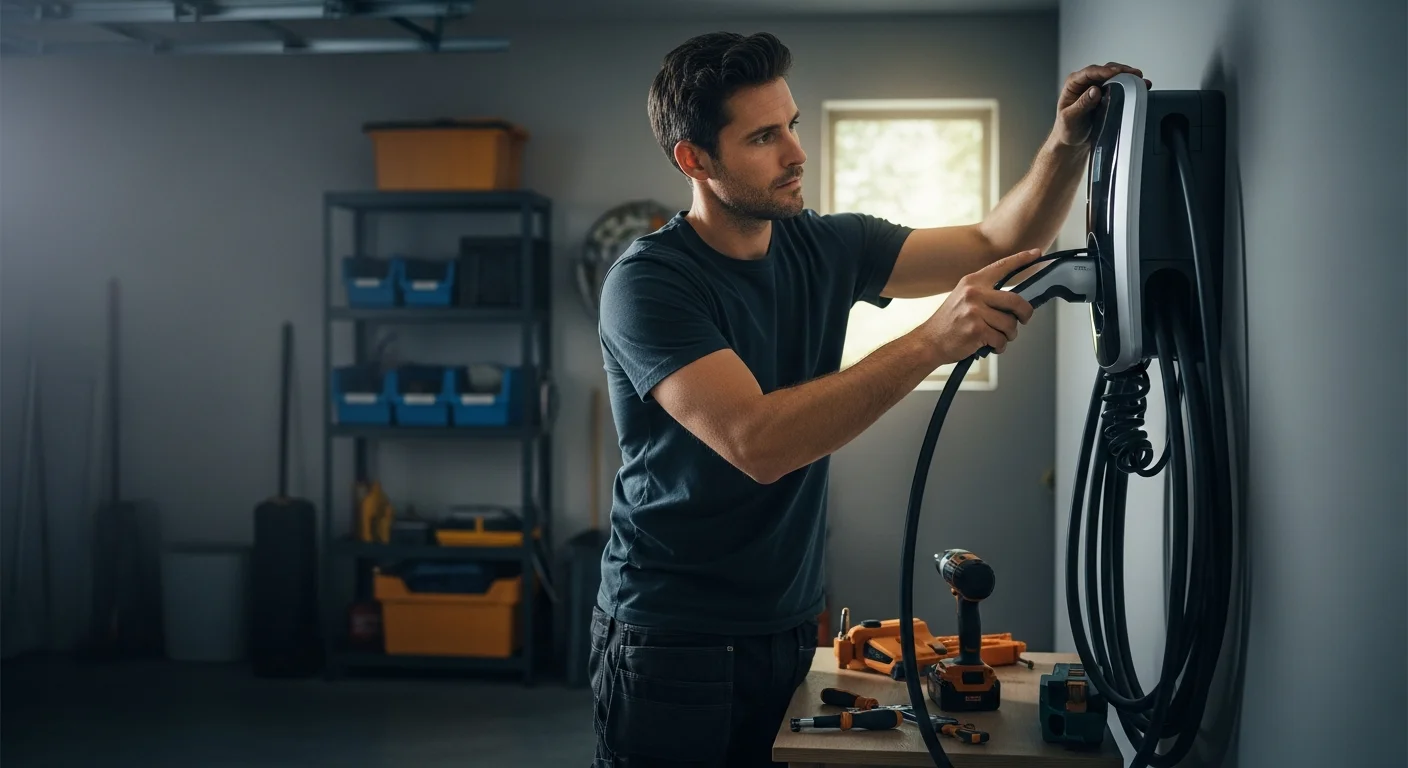
While technically possible for those with high electrical proficiency, it is highly discouraged. Professional installation ensures that the high-continuous load does not overheat your wiring and that all local building codes are satisfied for insurance purposes.
Do I need to upgrade my electrical panel for an EV charger?
This depends on your home's total load. Many older homes with 100-amp service will require an upgrade to 200 amps to safely support a Level 2 charger alongside other major appliances like air conditioners and dryers.
Are there still federal tax credits for EV chargers in 2026?
Yes, the federal tax credit for alternative fuel refueling property is active through the end of 2026. It covers 30% of hardware and labor costs, capped at $1,000 for residential installations in qualifying areas.
What is the difference between a NEMA 14-50 and a Wall Connector?
A NEMA 14-50 is a standard high-voltage outlet used with a Mobile Connector, limited to 32 amps. The Wall Connector is hardwired, supports up to 48 amps, and includes smart features like power sharing and app integration.
Investing in a dedicated system for tesla charging for home is one of the most impactful upgrades you can make for your electric vehicle experience. By choosing the right hardware and taking advantage of 2026 incentives, you can ensure your car is always ready for the road while increasing your home's property value. Working with a specialized tesla charger installation electrician ensures your system is safe, efficient, and compliant with all modern standards.
Ultimately, the benefits of tesla charging for home extend beyond simple convenience. It provides a level of energy independence and long-term savings that public charging simply cannot match. Start your transition today by utilizing professional resources to calculate your costs and maximize your available rebates in Orange County.
About the Author

Written by William Corcoran, Orange County Home Savings Expert
William Corcoran has helped Orange County families save money on their homes for over 15 years. Specializing in property tax reduction and smart refinancing, he offers expert guidance you can trust. www.energybot.com www.energystar.gov
Related Articles

Ready to Find Your Savings?
Get a free personalized report showing all rebates and incentives your home qualifies for.
Get My Free Report