Efficient Home Tesla Charging Solutions: Costs, Installation, and Savings in 2026
Key Takeaways
- Level 2 charging remains the standard for efficient overnight replenishing in Winter 2026
- Federal tax credits and local utility rebates can significantly offset installation expenses
- Professional electrical assessments are critical for identifying necessary panel upgrades early
- Using an online calculator helps homeowners budget for equipment and labor accurately
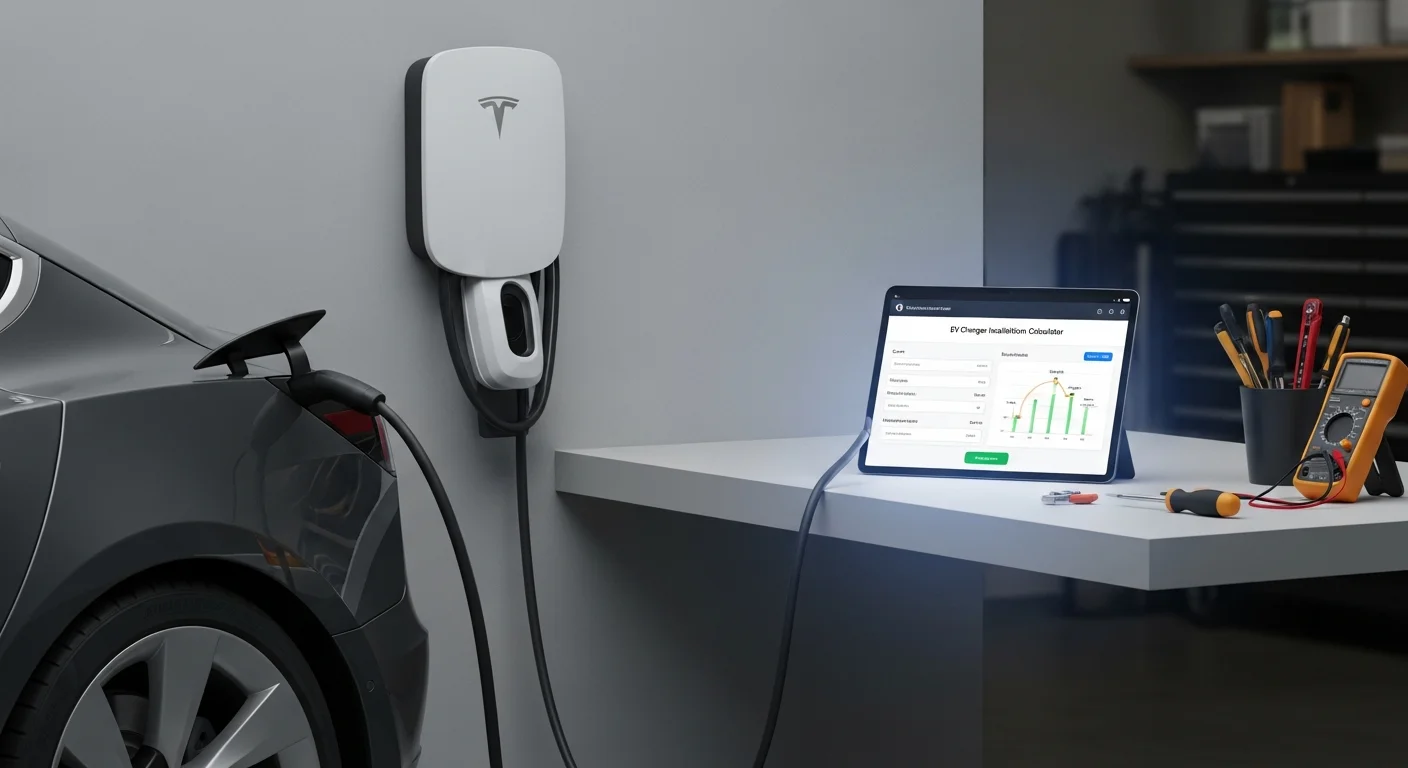
As we move through Winter 2026, the shift toward sustainable transportation has reached a fever pitch. For many homeowners in Orange County and beyond, the primary concern is no longer which electric vehicle to buy, but how to implement the most efficient tesla charging for home setup. Having a dedicated charging station is no longer a luxury; it is a fundamental requirement for the modern EV owner.
The convenience of waking up to a fully charged battery cannot be overstated. However, the path to a perfect installation involves understanding electrical capacities, equipment choices, and the various financial incentives available this year. This guide provides a comprehensive roadmap for navigating the complexities of residential charging infrastructure.
Home EV Charger Installation Cost
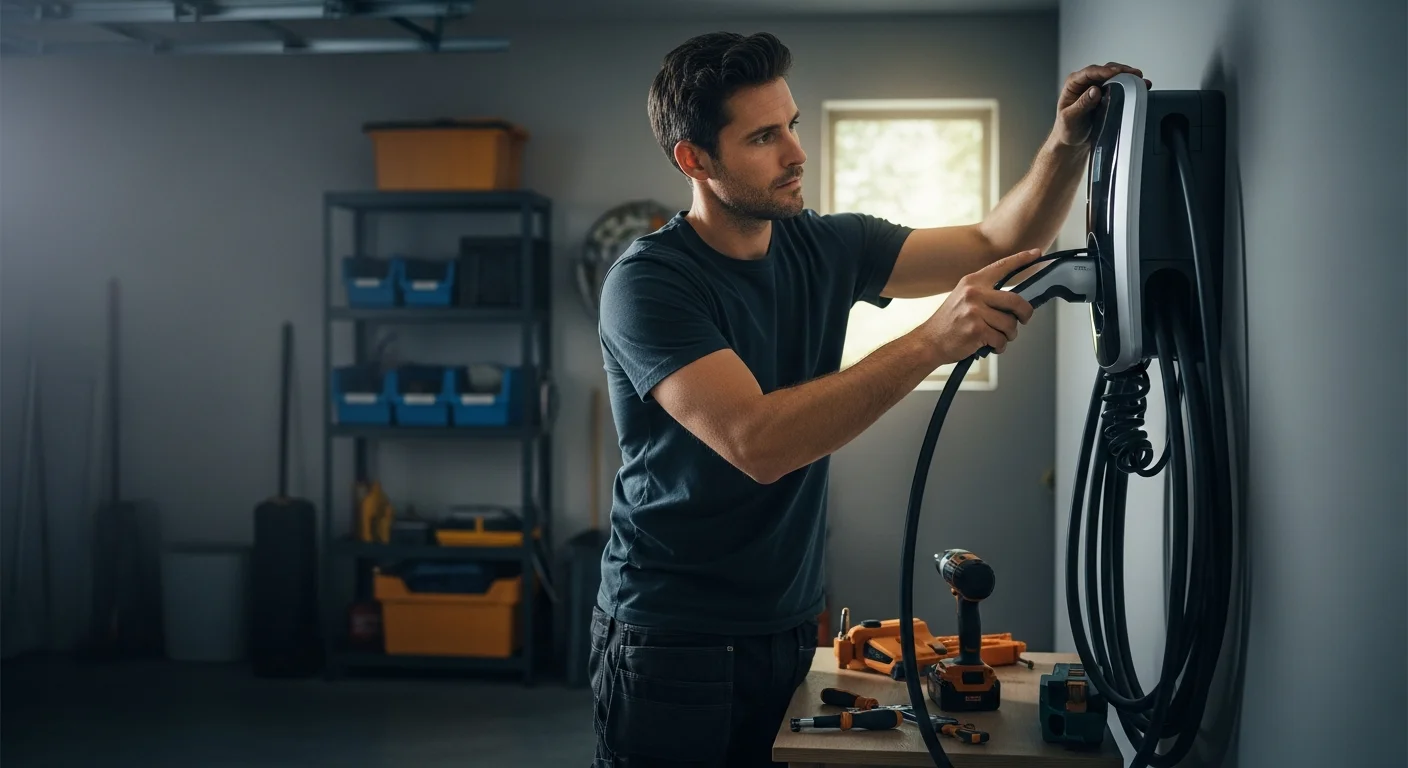
EV Charger Installation Calculator
Buy NowFactors Influencing Labor and Material Prices
The price of installing a charging station varies based on the distance between your electrical panel and the charging location. In 2026, labor rates for certified electricians have stabilized, but material costs for heavy-gauge copper wiring remain a significant factor.
Electrical Panel Upgrades
Many older homes require a panel upgrade to support the 48-amp to 60-amp circuit needed for Level 2 charging. According to the U.S. Department of Energy, upgrading from a 100-amp to a 200-amp service is a common prerequisite that adds to the initial investment but increases overall home value.
Want to know exactly what your setup will cost?
Calculate Your Installation Costs Now →Choosing the Right Equipment: Tesla Charging for Home Options
Tesla Wall Connector Gen 3 vs. Universal Chargers
The Tesla Wall Connector remains the gold standard for tesla charging for home due to its native NACS plug and smart features. However, with the industry-wide adoption of NACS, universal chargers from brands like ChargePoint and Wallbox are also viable alternatives in 2026.
Hardwired vs. Plug-in Installations
While a NEMA 14-50 outlet offers flexibility, a hardwired connection is recommended for the fastest charging speeds. Hardwiring allows the charger to operate at higher amperages, ensuring your vehicle is ready for the road much faster during the Winter 2026 season.
| Charger Type | Charging Speed | Best For |
|---|---|---|
| Tesla Wall Connector | Up to 44 miles per hour | Tesla owners seeking maximum speed |
| NEMA 14-50 Outlet | Up to 30 miles per hour | Renters or those needing flexibility |
| Level 1 (Mobile Connector) | 3-5 miles per hour | Emergency use or very low daily mileage |
Need help selecting the right charger for your home?
Compare Charger Models →Tesla Wall Connector Installation Guide 2026
Professional Certification and Safety
Per the Tesla Support Center, installations should always be performed by a Tesla Certified Installer to maintain warranty validity. These professionals ensure that your home’s electrical system meets the rigorous standards required for sustained high-amperage loads.
Smart Features and Connectivity
The 2026 Wall Connector models feature enhanced Wi-Fi connectivity. This allows for over-the-air firmware updates and integration with the Tesla app, enabling you to schedule charging during off-peak hours for maximum cost efficiency.
Calculating Your Investment: EV Charger Calculator for Home Savings
Return on Investment (ROI)
By switching from public Supercharging to a home-based solution, the average driver can save over $1,000 annually. Our proprietary calculator takes into account your local utility rates in Orange County to provide a precise ROI timeline.
Estimating Long-Term Benefits
Beyond fuel savings, installing tesla charging for home often qualifies for property value increases. Modern homebuyers are increasingly prioritizing residences that are already "EV-ready," making the installation a sound long-term real estate strategy.
Navigating Level 2 EV Charging Station Rebates
Federal Tax Credit for 2026
As stated by the IRS, the Alternative Fuel Vehicle Refueling Property Credit allows homeowners in eligible census tracts to claim up to 30% of the cost of hardware and installation, capped at $1,000.
Local Utility Incentives in Orange County
Information from the California Energy Commission highlights that several local utilities offer "Time-of-Use" (TOU) rates specifically for EV owners. These programs often include additional rebates for the installation of smart chargers that can communicate with the grid.
Ready to maximize your 2026 tax benefits?
Check Your Rebate Eligibility →
Frequently Asked Questions
How long does the installation take?
A typical installation by a certified professional takes between 4 to 6 hours. This timeline can extend if your home requires a major panel upgrade or if the run between the panel and the charger is exceptionally long or complex.
Can I install a Tesla charger myself?
DIY installation is strongly discouraged due to the high voltage involved. Professional installation ensures compliance with the National Electrical Code and secures the safety of your home and vehicle, as noted by the EPA.
What is the best amperage for home charging?
For the most efficient experience, a 60-amp circuit providing 48 amps of continuous output is ideal for most Tesla models. This configuration allows you to fully charge a Model Y or Model 3 overnight even from a near-empty state.
Are there still federal tax credits in 2026?
Yes, the federal tax credit for EV infrastructure has been extended into 2026 for qualified residents. It is important to verify that your specific census tract qualifies under the rural or low-income criteria set by current legislation.
Will charging at home increase my electric bill significantly?
While your electricity consumption will rise, the cost is significantly lower than gasoline. By using off-peak charging schedules enabled by your Tesla, you can minimize the impact on your monthly utility expenses.
Final Thoughts on Tesla Charging for Home
Setting up tesla charging for home is one of the most impactful upgrades you can make for your vehicle's utility and your own peace of mind. As we navigate the Winter 2026 season, the availability of smart hardware and generous incentives makes it the perfect time to commit to a permanent home charging solution.
By taking the time to calculate your costs and research local rebates, you can ensure a seamless transition to electric life. Whether you choose a hardwired Wall Connector or a versatile NEMA 14-50 setup, the convenience of home charging will redefine your driving experience for years to come.
About the Author

Written by William Corcoran, Orange County Home Savings Expert
William Corcoran has helped Orange County families save money on their homes for over 15 years. Specializing in property tax reduction and smart refinancing, he offers expert guidance you can trust. www.energybot.com www.energystar.gov
Related Articles
Ready to Find Your Savings?
Get a free personalized report showing all rebates and incentives your home qualifies for.
Get My Free Report