Improving Your Home Energy Efficiency Rating: The 2026 Guide to Solar Energy and Lower Utility Bills

Key Takeaways
- Solar technology in 2026 offers significantly higher efficiency rates for residential properties.
- A professional home energy efficiency rating provides a roadmap for reducing monthly utility expenses.
- Modern battery storage solutions allow homeowners to remain powered during grid outages.
- Federal and state incentives remain a primary driver for maximizing your renewable energy investment.
As we move through the winter of 2026, homeowners are increasingly looking for ways to combat rising utility costs while reducing their carbon footprint. Transitioning to solar power for house use has evolved from a luxury option into a strategic financial move for families across the country. By understanding the intersection of modern technology and energy conservation, you can transform your property into a high-performance asset.
The quest for a sustainable home begins with data. Without knowing your current consumption patterns, it is nearly impossible to implement effective upgrades. This is where a comprehensive home energy efficiency rating comes into play, providing a standardized look at how your house compares to others and where the most significant leaks and inefficiencies reside.
Understanding Your Home Energy Efficiency Rating
Home Energy Score Calculator
Buy NowThe Basics of the Scoring System
A Home Energy Score, developed by the U.S. Department of Energy, provides a score on a scale of 1 to 10. A score of 10 represents the most efficient home possible, while a score of 1 indicates significant room for improvement. This rating considers the building envelope, heating and cooling systems, and lighting to give you a clear picture of performance.
Why the 2026 Rating Standards Matter
In 2026, energy standards have become more rigorous to reflect new technological benchmarks. According to Wikipedia's entry on Energy Star, these ratings are essential for resale value, as buyers are now prioritizing low-maintenance, energy-independent homes over traditional properties. A high score can increase property value by as much as 5% to 7% in competitive markets.
Want to know your home's current efficiency level?
Get Your Home Energy Score →Financial Benefits of Solar Power for House
Reducing Monthly Utility Expenditures
The most immediate impact of installing solar panels is the reduction in your electricity bill. By generating your own clean energy, you can offset the power drawn from the grid during peak hours. In many regions, net metering programs allow you to sell excess energy back to the utility company, creating a potential source of passive income.
Available Tax Credits and Incentives
According to the Environmental Protection Agency (EPA), federal tax credits remain a cornerstone of affordable renewable energy. For the 2026 tax year, many homeowners are eligible for significant deductions that can cover a large portion of the initial installation costs. Combined with state-specific rebates, the payback period for a residential solar system has shortened to an average of 5 to 7 years.
2026 Residential Solar Technology Trends
High-Efficiency Bifacial Panels
The current 2026 trend focuses on bifacial solar panels, which capture sunlight from both the front and back surfaces. This technology can increase total energy production by up to 30%, making it ideal for rooftops with reflective materials or ground-mounted arrays. Research from the National Renewable Energy Laboratory (NREL) suggests these are the new standard for residential performance.
Integrated Smart Home Ecosystems
Modern solar power for house setups are no longer standalone systems. They are now fully integrated with smart home hubs that automatically adjust thermostat settings and appliance usage based on solar production levels. This ensures that the energy you produce is used in the most efficient manner possible, minimizing waste.
Is your home ready for a solar upgrade?
Calculate Your Savings Potential →Steps to a Successful Solar Installation
Conducting a Thorough Energy Audit
Before purchasing panels, you must address underlying efficiency issues. Insulating the attic, sealing windows, and upgrading to LED lighting can reduce your total energy demand, allowing you to install a smaller, more affordable solar array. This holistic approach ensures your home energy efficiency rating improves from day one.
Selecting the Right Contractor
Choosing a certified installer is critical for long-term reliability. Look for professionals who are NABCEP-certified and have experience with 2026 building codes. A quality installer will handle all permitting and grid-interconnection paperwork, making the transition seamless for the homeowner.
Comparing Renewable Energy Solutions
| Solution | Primary Benefit | 2026 Status |
|---|---|---|
| Solar Photovoltaic (PV) | Direct electricity generation | Highly Mature & Cost-Effective |
| Heat Pump Systems | Efficient climate control | Rapidly Growing Adoption |
| Battery Storage | Energy independence & resilience | Essential for Modern Homes |
How the Home Energy Score Calculator Helps You Save
Identifying Hidden Energy Leaks
Many homeowners are unaware that small air leaks can account for up to 15% of their heating and cooling costs. The Energy Information Administration (EIA) notes that space cooling is one of the fastest-growing energy demands in residential buildings. Our calculator pinpoint these areas, allowing for targeted repairs.
Data-Driven Decision Making
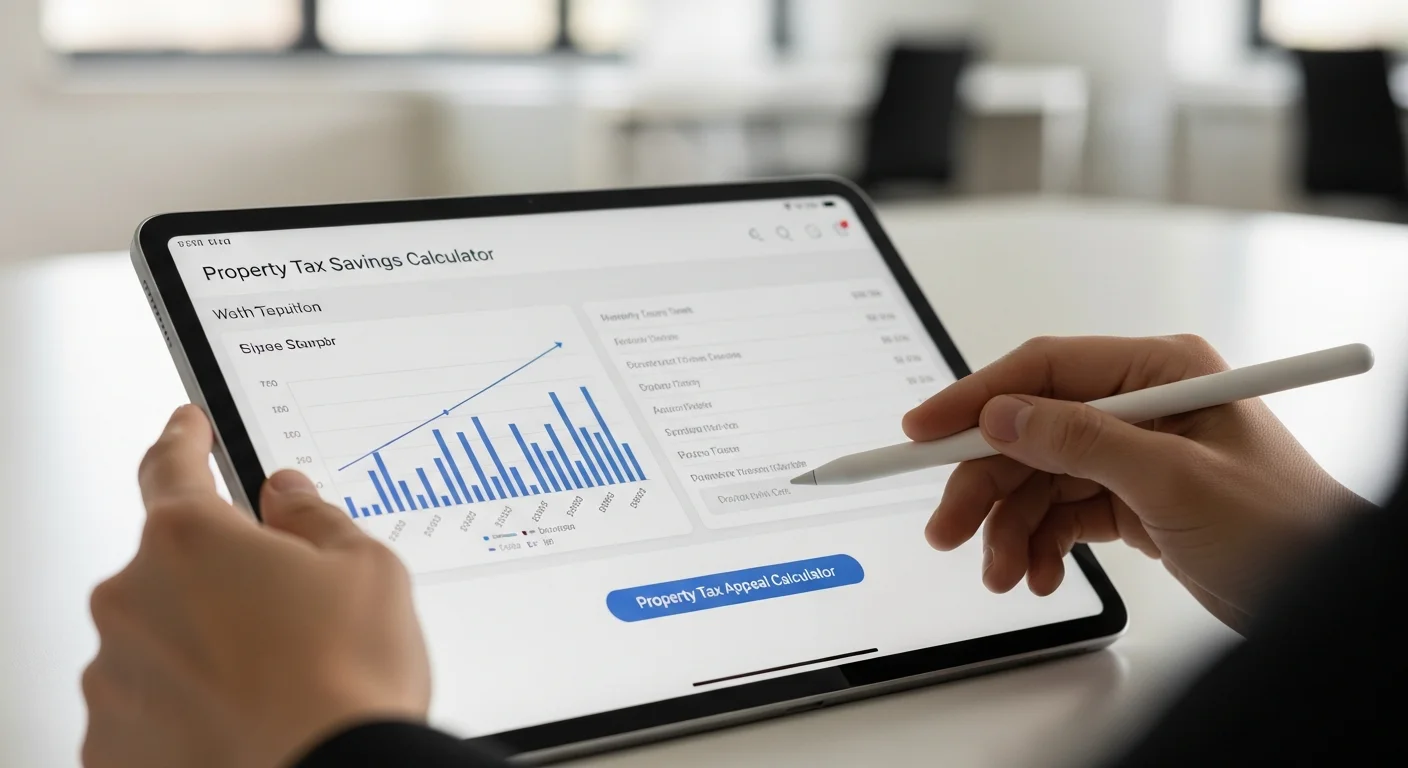
Instead of guessing which upgrades will provide the best return on investment, the calculator uses real property data to simulate savings. Whether you are considering solar or new windows, the tool provides a projected cost-benefit analysis based on current energy prices in 2026.
Ready to lower your bills? Start your free assessment.
Access the Energy Calculator →Frequently Asked Questions
Is solar power for house use worth it in 2026?
Yes, with the improvements in panel efficiency and the continued availability of tax credits, solar energy remains one of the best investments for homeowners. The ability to lock in your energy costs for 25 years protects you from future utility rate hikes.
How long does it take to get a Home Energy Score?
A professional assessment typically takes about 60 to 90 minutes. During this time, the expert will examine your HVAC system, insulation, and general structure to input data into the calculator.
What happens to solar production on cloudy days?
While solar panels produce the most power in direct sunlight, modern panels in 2026 are designed to capture diffuse light. You will still generate electricity on cloudy days, though at a reduced rate compared to clear skies.
Can solar power increase my home's resale value?
Research indicates that homes with solar energy systems sell faster and for more money than non-solar homes. Buyers appreciate the lower operating costs associated with a green energy property.
Do I need a battery with my solar system?
While not strictly required for grid-tied systems, batteries are highly recommended in 2026 for backup power and to maximize self-consumption of the energy you produce during the day.
Conclusion
Achieving a high-performance home is a journey that starts with accurate data and ends with a commitment to sustainable living. By focusing on your home energy efficiency rating, you can create a prioritized list of improvements that will yield dividends for years to come. Whether you start with small insulation fixes or a full solar array, every step brings you closer to energy independence.
Investing in solar power for house efficiency is more than just an environmental choice; it is a savvy financial strategy for the modern era. As utility rates continue to fluctuate, having a reliable, self-owned power source provides peace of mind and long-term security for your family.
At Orange County Home Savings, we are dedicated to helping you navigate the complexities of residential energy. Use our tools and expertise to transform your living space into a model of 2026 efficiency. The future of home ownership is green, efficient, and powered by you.
About the Author

Written by William Corcoran, Orange County Home Savings Expert
William Corcoran has helped Orange County families save money on their homes for over 15 years. Specializing in property tax reduction and smart refinancing, he offers expert guidance you can trust. www.energybot.com www.energystar.gov
Related Articles

Ready to Find Your Savings?
Get a free personalized report showing all rebates and incentives your home qualifies for.
Get My Free Report