Home Efficiency and Renewable Energy Upgrades: The 2026 Guide to Lowering Utility Bills
Key Takeaways
- Use a Home Energy Score Calculator to establish a baseline before making major upgrades
- New 2026 federal tax credits can significantly offset the initial cost of renewable installations
- Proper insulation and smart thermostats should be addressed before adding solar capacity
- Residential energy upgrades can increase property resale value by up to four percent
As we move through Winter 2026, many homeowners are facing record-high utility costs and looking for ways to achieve long-term energy independence. Deciding to install solar panels for your house is a significant step toward sustainability and financial freedom. However, success depends on more than just hardware; it requires a data-driven strategy to ensure every dollar spent translates into maximum efficiency.
Before rushing into expensive renovations, it is vital to understand where your property currently stands. According to the U.S. Department of Energy, identifying thermal leaks and inefficient appliances first can reduce the number of panels you actually need, saving you thousands on equipment.
Ready to see your home's performance?
Get Your Home Energy Score Now →Understanding Your Home Energy Efficiency Rating
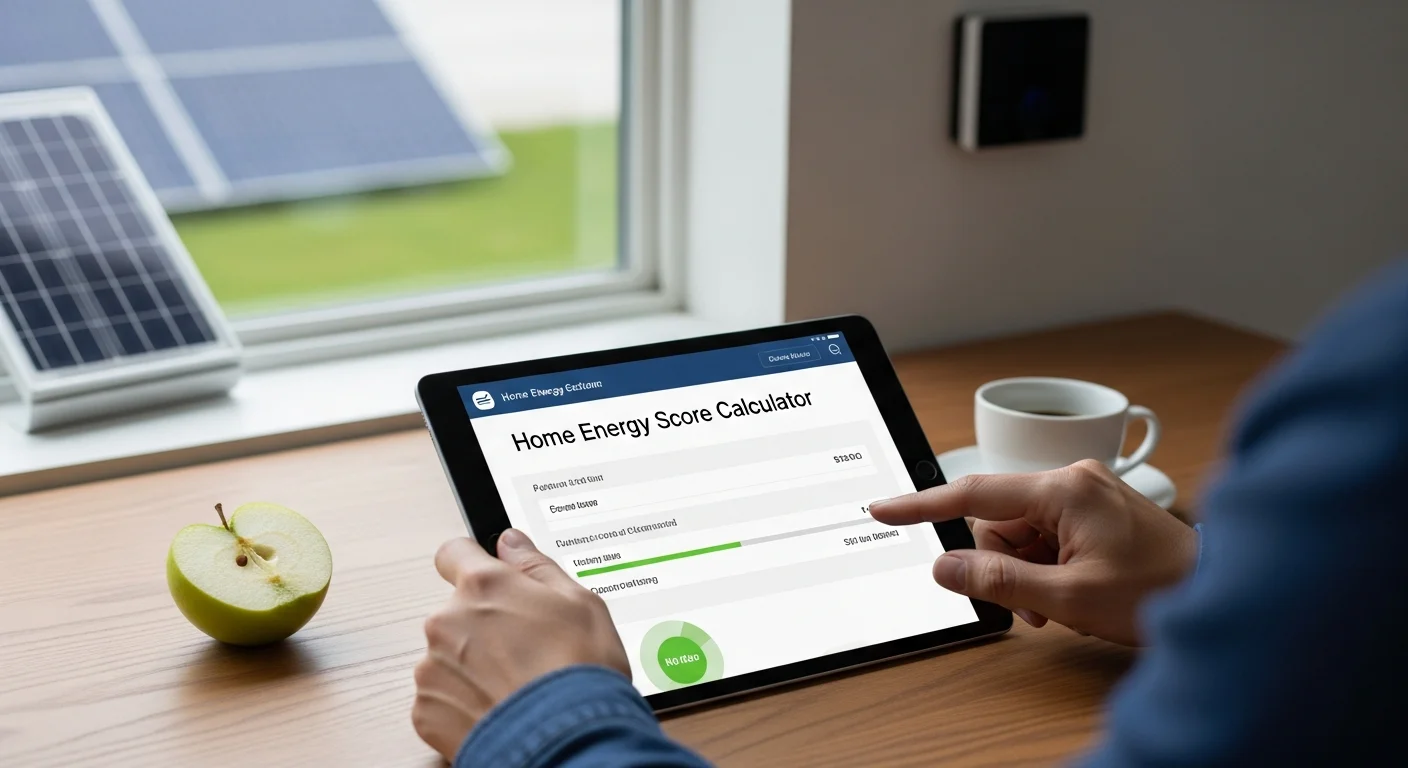
Home Energy Score Calculator
Buy NowWhat is a Home Energy Score?
A home energy efficiency rating provides a standardized assessment of a property's energy performance. Much like a miles-per-gallon rating for a car, this score helps you understand how much energy your home is expected to consume based on its structure and systems.
Why Every Homeowner Needs One in 2026
In the current real estate market, transparency is key. According to research on Energy Performance Certificates, buildings with high ratings command higher prices and spend less time on the market. It is no longer just a luxury; it is a critical piece of financial data.
Why Solar Panels for Your House are a Top Investment This Winter
Combating Rising Energy Prices
Grid electricity costs have reached new peaks in 2026. By choosing solar panels for your house, you effectively lock in your energy rate for the next 25 years. This hedge against inflation is one of the most stable financial moves a homeowner can make today.
Winter Production Myths
Contrary to popular belief, photovoltaic cells are more efficient in cold temperatures as long as there is sunlight. Modern bifacial panels can even capture reflected light from snow, ensuring that your energy production remains robust throughout the winter season.
Evaluating Solar Panel Installation Cost vs Savings
Analyzing the Upfront Investment
The initial solar panel installation cost vs savings calculation must include equipment, labor, and permit fees. While the sticker price may seem high, zero-down financing options in 2026 have made it accessible for middle-class families in Orange County.
Long-term ROI and Payback Period
Most residential systems now pay for themselves in 6 to 9 years. After this period, the electricity generated is essentially free, leading to tens of thousands of dollars in cumulative savings over the life of the system.
Stop guessing about your energy waste.
Calculate Your Savings Potential →Benefits of Home Energy Score Calculator Tools
Personalized Efficiency Roadmaps
The primary benefits of home energy score calculator tools lie in their ability to pinpoint exactly where your home loses heat. Instead of generic advice, you receive a tailored list of upgrades ranked by their return on investment.
Verifiable Data for Appraisals
An official score provides proof of your home's efficiency. This documentation is increasingly used by lenders to justify "Green Mortgages" which often carry lower interest rates for highly efficient properties.
| Upgrade Category | Impact on Score | Average ROI |
|---|---|---|
| Solar PV System | High | 15-20% |
| Attic Insulation | Medium | 100%+ |
| Smart Thermostats | Low | Excellent |
Government Solar Tax Credits 2026 and Financial Incentives
The Federal Investment Tax Credit (ITC)
Under current 2026 legislation, the federal tax credit remains a powerful tool. According to the Solar Energy Industries Association, homeowners can deduct a significant percentage of their installation costs directly from their federal taxes.
State and Local Rebates
In addition to federal help, many local municipalities offer instant rebates for battery storage and high-efficiency heat pumps. Combining these with a solar installation can reduce your net costs by up to 50% in some regions.
Steps to Take Before Installing Solar for Maximum ROI
Conducting an Energy Audit
Always start with an audit. By identifying air leaks and lack of insulation, you can lower your base energy load. This allows you to purchase a smaller, more affordable solar array while achieving the same net-zero results.
Roof Inspection and Prep
Since solar panels for your house are designed to last 25+ years, your roof needs to be in excellent condition. If your roof is older than 15 years, consider replacing it simultaneously to avoid the cost of removing and reinstalling panels later.
Maximize your home's value today.
Start Your Free Calculator Tool →Frequently Asked Questions
How much can I save with solar panels in 2026?
Most homeowners see a reduction of 70% to 100% in their monthly electricity bills. The exact amount depends on your local utility rates, the size of your system, and your household energy consumption habits.
Does solar increase property taxes?
In many states, including California, there are property tax exclusions for active solar energy systems. This means you get the value increase of the upgrade without a corresponding increase in your tax bill.
What is the best way to get a home energy efficiency rating?
The most effective way is to use a certified online calculator or hire a professional energy auditor. These tools analyze your HVAC, windows, and insulation to provide an accurate 1-10 score.
Are there still federal tax credits for solar in 2026?
Yes, the federal investment tax credit (ITC) is still active in 2026. It allows you to claim a significant percentage of the system cost as a credit against your federal income tax liability.
Can I install solar panels myself?
While DIY kits exist, professional installation is recommended to ensure safety and compliance with local building codes. Furthermore, most utility companies require professional certification for grid interconnection.
In conclusion, optimizing your home's energy profile is the smartest financial decision you can make this year. By combining a professional assessment with the installation of solar panels for your house, you are securing a future of low-cost, clean energy.
Take the first step today by evaluating your current consumption. Knowledge is power, and with the right data from our Home Energy Score Calculator, you can make informed choices that benefit both your wallet and the planet for decades to come.
About the Author

Written by William Corcoran, Orange County Home Savings Expert
William Corcoran has helped Orange County families save money on their homes for over 15 years. Specializing in property tax reduction and smart refinancing, he offers expert guidance you can trust. www.energybot.com www.energystar.gov
Related Articles

Ready to Find Your Savings?
Get a free personalized report showing all rebates and incentives your home qualifies for.
Get My Free Report