Home Energy Score Calculator: How to Increase Efficiency and Reduce Utility Bills with Solar Power

Key Takeaways
- A high energy score can increase property resale value by up to five percent
- Spring 2026 federal tax credits make residential renewable upgrades more affordable
- Energy audits identify specific air leaks and insulation gaps to fix immediately
- Combining efficiency scores with solar technology provides the fastest return on investment
As we move into Spring 2026, homeowners in Orange County and across the nation are increasingly looking for ways to mitigate rising utility costs. One of the most effective strategies involves installing solar panels for house use while simultaneously optimizing the home's building envelope. Understanding your property's current performance is the critical first step toward long-term financial freedom.
The shift toward renewable energy isn't just a trend; it's a structural change in how we manage residential assets. By utilizing a professional home energy score calculator, you can pinpoint exactly where your house is losing heat or cooling, allowing for targeted upgrades that provide the highest impact for every dollar spent.
Is your home performing at its peak? Find out now!
Try Our Calculator Today →Understanding the Home Energy Rating System Explained
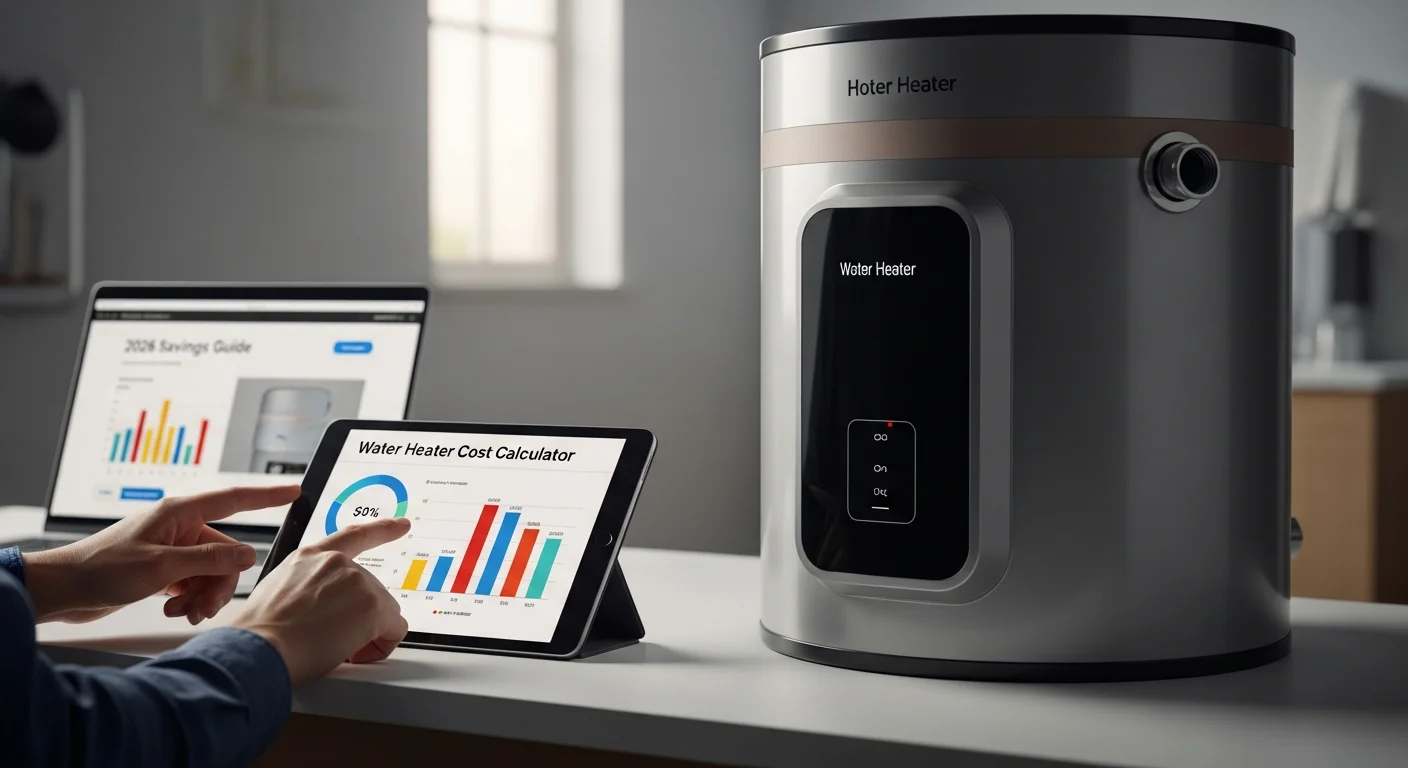
Home Energy Score Calculator
Buy NowThe Core of the Home Energy Score
According to the U.S. Department of Energy, the Home Energy Score is a standardized rating system that works similarly to a vehicle's miles-per-gallon rating. It provides a score on a scale of 1 to 10, where a 10 represents the highest level of efficiency. This metric considers the home's structure, heating, cooling, and hot water systems.
Benefits of Home Energy Audits
Conducting a professional audit reveals the "hidden" health of your home. Experts use thermal imaging and blower door tests to find air leaks that the naked eye cannot see. These insights allow you to prioritize fixes like attic insulation or weather stripping before investing in expensive equipment.
Spring 2026 Market Trends
In the current Spring 2026 real estate market, buyers are increasingly asking for energy documentation. A high score can be a powerful marketing tool, proving to potential buyers that the home has low operational costs. This transparency often leads to faster sales and higher closing prices.
Major Benefits of Solar Panels for House
Immediate Reduction in Utility Costs
One of the primary reducing utility bills with solar power strategies is direct generation. By producing your own electricity, you bypass the peak-hour pricing models used by many utility providers. This is especially beneficial during the warmer months when air conditioning usage spikes.
Environmental Impact and Carbon Reduction
Beyond the financial gains, solar energy significantly reduces your household's carbon footprint. According to Wikipedia's overview of solar power, residential systems are a cornerstone of decentralized green energy grids, helping stabilize local power infrastructure during extreme weather events.
Energy Independence
Installing modern photovoltaic systems allows homeowners to gain a level of independence from the fluctuating prices of fossil fuels. As grid prices continue to rise in 2026, the value of fixed-cost energy generation becomes increasingly apparent to savvy investors.
Ready to see how much you could save with solar?
Get Your Custom Quote →How to Use a Home Energy Score Calculator
Gathering Your Data
To get an accurate result from an online tool, you will need information about your square footage, insulation types, and the age of your HVAC system. Having your recent utility bills handy will also help the calculator estimate your potential savings more precisely.
Interpreting the Results
Once you receive your score, the tool will typically provide a list of recommended improvements. These recommendations are ranked by their cost-effectiveness, helping you understand how to increase home energy efficiency without overspending on low-impact upgrades.
Integrating Solar Planning
The best residential solar installation guide will always suggest optimizing efficiency first. By reducing your home's total energy demand through better insulation and windows, you may find that you need fewer panels to achieve net-zero energy status, saving you thousands in initial installation costs.
| Energy Upgrade | Estimated Efficiency Gain | Average ROI Period |
|---|---|---|
| LED Lighting Conversion | 5-10% | 6-12 Months |
| Attic Insulation Top-off | 15-20% | 2-4 Years |
| Solar Photovoltaic System | 70-100% | 6-9 Years |
| Smart Thermostat Install | 8-12% | 1-2 Years |
Solar Energy vs Traditional Electricity in 2026
Cost Comparisons
Traditional electricity prices have historically trended upward by 3-5% annually. In contrast, the levelized cost of energy for residential solar has plummeted. Research from the National Renewable Energy Laboratory shows that solar is now the most affordable form of electricity in many regions.
Reliability and Battery Backups
Modern systems often include lithium-ion battery storage. This allows you to store the energy generated during the day for use at night or during grid outages. This added layer of security is a significant advantage over homes solely dependent on the municipal grid.
Grid Net Metering
Many states continue to offer net metering programs. This means that if your system produces more power than you use, the excess is fed back into the grid, and you receive credit on your bill. This essentially turns your meter backward and further accelerates your ROI.
Government Incentives for Solar 2026
Federal Investment Tax Credit (ITC)
The federal government continues to support the adoption of clean energy. As of Spring 2026, homeowners can deduct a significant percentage of their solar installation costs from their federal taxes. This incentive applies to the total system cost, including labor and battery storage.
Local Orange County Rebates
Local utilities often provide additional rebates for energy-efficient appliances and solar readiness. These can be combined with federal incentives to drastically lower the net cost of your project. Check with local authorities or our experts at Orange County Home Savings for the latest local programs.
Financing Options and PPA Models
If you prefer not to pay upfront, various financing models like Solar Loans or Power Purchase Agreements (PPAs) are available. These allow you to start saving on day one with little to no down payment, making energy efficiency accessible to almost every budget.
Don't leave money on the table. Explore 2026 incentives!
Check Your Eligibility →Frequently Asked Questions
How long does a home energy audit take?
A comprehensive home energy audit typically takes between 2 to 4 hours, depending on the size and complexity of your house. The auditor will inspect everything from the basement to the attic to ensure no energy loss goes undetected.
Can I install solar panels myself?
While DIY kits exist, it is highly recommended to use a certified professional. Proper installation ensures you meet local building codes, maintain your roof's warranty, and qualify for federal tax incentives which often require proof of professional installation.
Do solar panels work on cloudy days?
Yes, solar panels still generate electricity on cloudy days, though at a lower efficiency than on bright, sunny days. Modern panels are designed to capture a broad spectrum of light, ensuring consistent power generation throughout the Spring 2026 season.
What is the lifespan of a residential solar system?
Most high-quality solar panels are warrantied for 25 years and can continue to produce power for 30 to 40 years. Inverters and batteries may need replacement every 10 to 15 years, but the core panel technology is extremely durable.
How does a home energy score affect my property value?
Studies have shown that homes with verifiable energy efficiency ratings sell for a premium. Buyers value the lower monthly costs and the comfort of a well-insulated home, often leading to a 3-5% increase in total property value.
Conclusion
Investing in the future of your home requires a data-driven approach. By starting with a home energy score calculator, you can create a roadmap for improvements that actually make a difference. Whether it's sealing a few air leaks or committing to full residential solar, every step you take brings you closer to a more sustainable and affordable lifestyle.
As utility rates continue to evolve, the decision to install solar panels for house integration becomes more than just an environmental choice—it's a smart financial move. Take control of your home's energy future this Spring 2026 and enjoy the peace of mind that comes with maximum efficiency and minimal waste.
About the Author

Written by William Corcoran, Orange County Home Savings Expert
William Corcoran has helped Orange County families save money on their homes for over 15 years. Specializing in property tax reduction and smart refinancing, he offers expert guidance you can trust. www.energybot.com www.energystar.gov
Related Articles

Ready to Find Your Savings?
Get a free personalized report showing all rebates and incentives your home qualifies for.
Get My Free Report