Residential Solar System Pricing Guide: How Much Do Solar Panels Cost for a House in 2026?
Key Takeaways
- Average installation costs have stabilized in early 2026 due to improved supply chain logistics
- Federal tax credits remain the most significant factor in reducing total net investment
- Home energy efficiency ratings are essential before sizing a new solar array
- Modern battery storage integration is now standard for most high-efficiency residential systems
As we navigate the Winter 2026 season, the landscape of renewable energy continues to shift toward greater accessibility and technological integration. For many homeowners in Orange County and beyond, the primary point of entry into clean energy is researching the solar panels for home price to determine if the investment aligns with their long-term financial goals. With utility rates rising, the transition to self-generated power has moved from a luxury to a strategic necessity.
According to the Solar Energy Industries Association, the adoption of residential solar has reached record highs this year. This surge is driven by a combination of improved photovoltaic efficiency and more robust financing structures that allow families to break even on their investment faster than ever before. Understanding the nuances of current market rates is the first step toward energy independence.
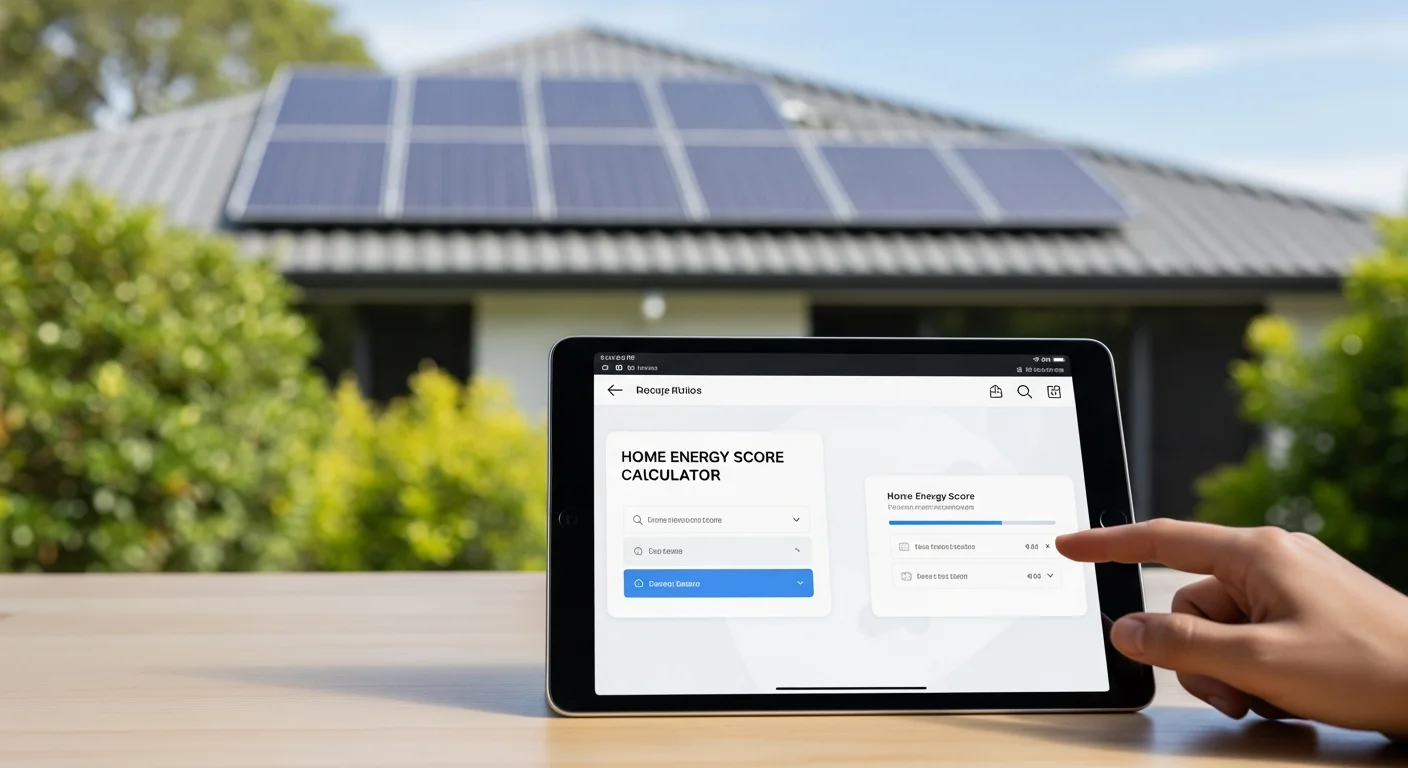
Curious about your home's current efficiency?
Calculate Your Home Energy Score →The Evolution of Residential Solar System Pricing Guide Trends in 2026
Home Energy Score Calculator
Buy NowAdvancements in Photovoltaic Technology
In early 2026, we have seen a significant leap in panel efficiency ratings. Most mid-tier residential panels now exceed 22% efficiency, meaning homeowners require fewer panels to achieve the same energy output. This reduction in hardware volume helps mitigate some of the rising labor costs associated with specialized electrical work.
Supply Chain Stability
Unlike the volatile markets of previous years, 2026 has brought a level of stability to the component supply chain. High-grade silicon and inverter components are more readily available, reducing the lead times that once plagued the industry. This predictability allows for more accurate long-term budgeting for solar projects.
Factors Influencing Solar Panels for Home Price
Equipment Quality and Warranties
The solar panels for home price is heavily dictated by the tier of equipment selected. Tier 1 manufacturers offer 25-year comprehensive warranties that cover both performance and parts. While these systems have a higher upfront cost, their degradation rate is significantly lower, ensuring better value over three decades.
Labor and Installation Complexity
Roof pitch, material, and existing electrical infrastructure play a massive role in final quotes. A steep clay tile roof in Orange County requires more labor-intensive mounting solutions than a flat composite shingle roof. Additionally, if your main service panel requires an upgrade to handle the solar input, this will add to the total project cost.
How Much Do Solar Panels Cost for a House?
Average System Sizes in 2026
Most American homes require a system ranging from 6kW to 10kW to offset 100% of their electricity usage. According to data from the National Renewable Energy Laboratory, the cost per watt has remained competitive even as inflation impacted other sectors.
The Impact of Battery Storage
Adding a lithium-iron-phosphate (LFP) battery for backup power or Time-of-Use (TOU) arbitrage typically adds significant cost to the initial quote. However, in 2026, many state-level incentives specifically target storage, making the net cost more manageable for those seeking total energy resilience.
Ready to maximize your home's energy savings?
Get Your Home Energy Score Today →| System Type | Estimated Efficiency | Primary Benefit |
|---|---|---|
| Standard Grid-Tied | 19-21% | Lowest Upfront Cost |
| Premium with Microinverters | 22-24% | High Shade Tolerance |
| Solar + Storage Hybrid | 21-23% | Energy Independence |
Benefits of Residential Solar Energy and Long-term ROI
Protection Against Utility Inflation
Traditional energy costs are projected to rise significantly through the rest of the decade. By locking in a fixed cost for your power generation, you effectively hedge against future inflation. This predictable expense is a cornerstone of modern financial planning for homeowners.
Environmental and Social Governance
Beyond the financial aspects of solar panels for home price considerations, the environmental impact is profound. Reducing your carbon footprint helps community-wide efforts to meet sustainability goals set for 2030 and beyond.
Tax Credits for Solar Panels 2026 and Local Incentives
The Federal Investment Tax Credit (ITC)
As of Winter 2026, the federal government continues to support renewable energy through the ITC. This allows homeowners to deduct a substantial percentage of their system costs from their federal taxes, dramatically lowering the effective price of the installation.
Local Rebates in Orange County
Regional programs often offer additional cash rebates or performance-based incentives. These programs are frequently updated, so it is vital to check with local energy experts to ensure you are capturing every available dollar before your installation begins.
Using a Home Energy Efficiency Rating Tool to Optimize Savings
Don't Size Your System Based on Waste
One of the most common mistakes is installing a massive solar array to power an inefficient home. By using a home energy efficiency rating tool first, you can identify air leaks or insulation gaps. Fixing these issues allows you to install a smaller, less expensive solar system.
The Role of the Home Energy Score
According to the U.S. Department of Energy, a Home Energy Score provides a standard way to compare energy performance across properties. In 2026, this score is increasingly used by lenders and realtors to value a home's operational efficiency.
Stop overpaying for energy. Find your score.
Access the Savings Calculator →Frequently Asked Questions
Are solar panels worth it in 2026?
Yes, with the average payback period dropping to between 6 and 9 years depending on local rates, solar remains one of the highest-yield home improvements available in 2026. The combination of federal tax credits and rising utility costs makes the math very favorable for most homeowners.
What is the typical lifespan of a residential solar system?
Modern systems are designed to last 25 to 30 years. While the power output will slowly degrade over time (usually by about 0.5% per year), most manufacturers guarantee at least 85-90% of original performance after 25 years.
How does the 2026 tax credit work?
Homeowners can claim a percentage of their total system cost as a credit against their federal income tax liability. This includes the panels, labor, and even necessary roof repairs performed specifically for the solar installation.
Should I wait for better technology?
Waiting often results in missed savings. While technology improves incrementally, the money saved on monthly utility bills right now usually far outweighs the marginal gains of future panel generations.
Can I get solar for $0 down?
Yes, many financing options such as solar leases or Power Purchase Agreements (PPAs) allow for installation with no upfront capital. However, purchasing the system outright typically offers the highest total return on investment over time.
In conclusion, evaluating the solar panels for home price is a multi-faceted process that requires looking at hardware, incentives, and home efficiency simultaneously. By taking a holistic approach—starting with a Home Energy Score—you ensure that your transition to clean energy is both cost-effective and highly efficient for the long term.
The Winter 2026 market presents a unique opportunity to capitalize on stable pricing and robust federal support. As technology continues to mature, the gap between traditional grid costs and solar self-generation will only widen, rewarding those who take proactive steps today to secure their energy future.
About the Author

Written by William Corcoran, Orange County Home Savings Expert
William Corcoran has helped Orange County families save money on their homes for over 15 years. Specializing in property tax reduction and smart refinancing, he offers expert guidance you can trust. www.energybot.com www.energystar.gov
Related Articles
Ready to Find Your Savings?
Get a free personalized report showing all rebates and incentives your home qualifies for.
Get My Free Report