High Efficiency Water Heater Rebates 2026: Calculate Your Savings and Installation Costs
Key Takeaways
- Federal tax credits in 2026 cover up to 30 percent of high efficiency water heater installations
- Heat pump water heaters often provide a faster return on investment compared to traditional electric models
- Orange County residents can stack local utility rebates with federal incentives for maximum savings
- Using a specialized cost calculator is the most accurate way to estimate your final out of pocket expense
As we move through the Winter 2026 season, homeowners are facing unprecedented energy costs that make efficiency a top priority. Selecting a solar hot water heater or a modern heat pump system is no longer just an environmental choice; it is a critical financial strategy for long-term household stability. With new legislation and utility programs in place, the path to upgrading your home's infrastructure has never been more affordable.
Navigating the complex world of federal tax credits and local incentives can be daunting. In Orange County, the combination of high sun exposure and aggressive climate goals has created a unique environment where residents can significantly offset the initial purchase price of advanced equipment. By understanding the available high efficiency water heater rebates 2026, you can transition to cleaner energy with minimal friction.
Understanding High Efficiency Water Heater Rebates in 2026
Water Heater Cost Calculator
Buy NowFederal Incentive Structure
According to the U.S. Department of Energy, the Energy Efficient Home Improvement Credit allows for a significant reduction in tax liability for those installing qualified heat pump water heaters. These incentives are designed to promote the adoption of technologies that reduce carbon footprints while lowering monthly utility bills for the average family.
State and Local Utility Programs
In California, local utility providers have launched specific programs to assist with the electrification of homes. These rebates are often available at the point of sale or via post-installation applications, depending on the specific equipment and its Energy Star rating.
Ready to see how much you can save?
Use the Rebate Calculator →How Much Does a Solar Hot Water Heater Really Cost?
Initial Equipment and Labor
When considering a solar hot water heater, the upfront costs typically range between $3,000 and $9,000, depending on the system type (active vs. passive) and the size of your household. While this is higher than a standard gas tank, the 2026 federal incentives significantly lower this barrier to entry.
Maintenance and Longevity
Properly maintained solar thermal systems can last over 20 years. According to research from the National Renewable Energy Laboratory, these systems provide a consistent hedge against rising natural gas and electricity prices throughout their operational life.
Comparing Heat Pump vs Solar vs Traditional Systems
Operational Efficiency
Heat pump water heaters are often considered the "gold standard" for electrification because they move heat rather than generating it. However, in regions with high solar irradiance like Orange County, a solar system can provide virtually free hot water for the majority of the year.
System Comparison Table
| Technology | Efficiency Rating | Avg. 2026 Rebate |
|---|---|---|
| Heat Pump (Hybrid) | High (300%+) | $2,000 - $3,800 |
| Solar Thermal | Maximum Renewable | 30% Tax Credit |
| Standard Electric | Low (95%) | Minimal to None |
Don't guess on your installation costs.
Calculate Your Savings Now →Residential Renewable Energy Tax Credits for 2026
The 25D Tax Credit Explained
Under Section 25D of the Internal Revenue Code, homeowners can claim a credit for 30% of the cost of renewable energy property. According to IRS guidelines, this includes both the equipment and the labor costs associated with installing a solar hot water heater.
Eligibility Requirements
To qualify, the system must be certified for performance by the Solar Rating & Certification Corporation (SRCC) or a comparable entity endorsed by the state government. Always verify that your chosen model meets these standards before finalizing a purchase.
Why Use an Energy Saving Water Heater Calculator?
Personalized Savings Projections
Generic estimates often fail to account for local utility rates and specific household usage patterns. An energy saving water heater calculator provides a granular look at how a technology shift will impact your specific bank account.
Incentive Layering
Many homeowners are unaware that they can "layer" incentives. This means applying a manufacturer discount, a utility rebate, and a federal tax credit all to the same project, often reducing the net cost by more than 50%.
Sustainable Home Upgrades for Orange County Residents
Climate Considerations
Orange County's Mediterranean climate is ideal for heat pump and solar technologies. Unlike colder climates where heat pumps might struggle, Southern California allows these systems to operate at peak efficiency year-round.
Property Value Enhancement
According to Zillow Research, energy-efficient home features are increasingly sought after by buyers. Upgrading your water heater is a tangible improvement that boosts both your home's sustainability profile and its market appeal in 2026.
Frequently Asked Questions
How do heat pump water heater rebates work in 2026?
In 2026, most rebates are structured as either a direct mail-in rebate from your utility provider or a tax credit claimed on your annual return. The federal government provides a 30% credit up to $2,000 annually for heat pump water heaters under the Energy Efficient Home Improvement Credit.
Are solar water heaters more efficient than heat pumps?
Solar water heaters are more "renewable" because they use direct sun energy, but heat pumps are often more versatile as they can provide hot water even during long periods of overcast weather by using ambient air temperature. Both are significantly more efficient than traditional gas or electric resistance tanks.
What is the typical ROI for a high-efficiency water heater?
Most homeowners see a return on investment within 3 to 6 years. Given that these units last 10-15 years (for heat pumps) or 20+ years (for solar), the long-term savings on monthly utility bills can total thousands of dollars.
Can I combine federal tax credits with local utility rebates?
Yes, in almost all cases, you can combine federal tax credits with local rebates. This practice, known as incentive stacking, is the best way to minimize the net cost of your sustainable home upgrades in Orange County.
Does the 2026 tax credit cover installation labor?
Yes, for qualified renewable energy systems like a solar thermal unit, the 30% credit applies to both the equipment and the professional labor required for installation. This makes high-end systems much more accessible to the average homeowner.
Conclusion
Transitioning to a solar hot water heater or a high-efficiency heat pump is one of the smartest financial moves a homeowner can make in 2026. The combination of rising energy costs and robust government incentives has created a window of opportunity to upgrade your home's infrastructure while significantly reducing your carbon footprint. By taking advantage of the current rebate landscape, you ensure your home remains comfortable and cost-effective for years to come.
For residents of Orange County, the path to savings starts with accurate information. Don't leave money on the table by overlooking localized incentives or failing to calculate the total impact of tax credits. Use professional tools to assess your needs and find the system that offers the best balance of performance and affordability for your family.
Ready to maximize your 2026 home savings?
Access the Cost Calculator →About the Author

Written by William Corcoran, Orange County Home Savings Expert
William Corcoran has helped Orange County families save money on their homes for over 15 years. Specializing in property tax reduction and smart refinancing, he offers expert guidance you can trust. www.energybot.com www.energystar.gov
Related Articles
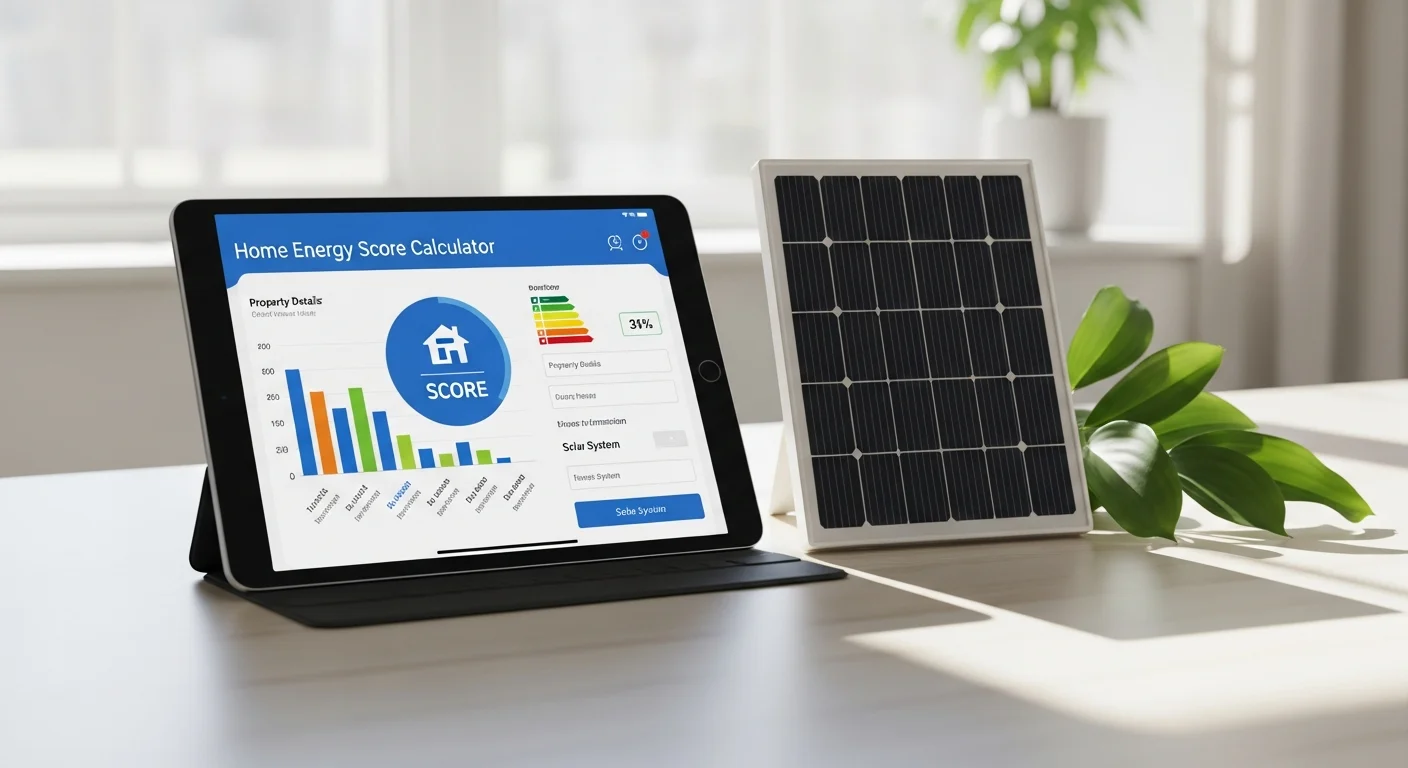

Ready to Find Your Savings?
Get a free personalized report showing all rebates and incentives your home qualifies for.
Get My Free Report