HVAC Maintenance Tips 2026: A Complete Guide to Lowering Energy Bills and Increasing Home Comfort
Key Takeaways
- Regular seasonal maintenance can reduce energy consumption by up to fifteen percent
- Transitioning to heat pump technology offers superior efficiency for both heating and cooling
- Professional inspections identify small issues before they become expensive emergency repairs
- Using a digital savings calculator helps homeowners make data-driven decisions on system upgrades
As we navigate the Winter 2026 season, homeowners in Orange County are increasingly focused on optimizing home performance. The process of servicing hvac systems has evolved from a simple filter change into a comprehensive strategy for energy management. With rising utility costs and new environmental regulations, maintaining a high-efficiency system is no longer optional for those looking to save money.
According to the U.S. Department of Energy, regular maintenance can significantly extend the lifespan of your equipment while ensuring it operates at peak capacity. Neglecting these systems often leads to poor air quality and unexpected breakdowns during peak temperature fluctuations.
Importance of a Seasonal Tune Up Guide
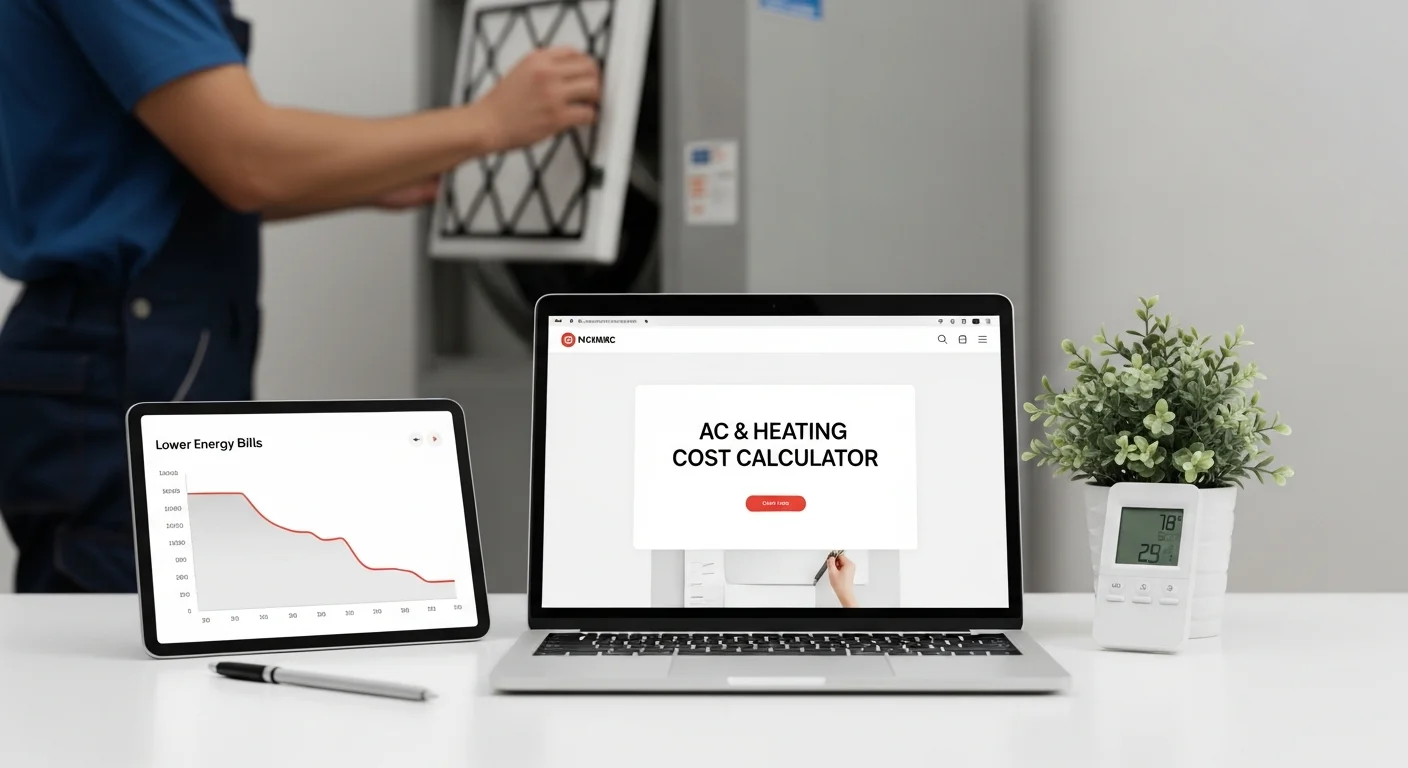
AC & Heating Cost Calculator
Buy NowEnsuring Operational Reliability
A comprehensive HVAC seasonal tune up guide includes checking thermostat settings, tightening electrical connections, and lubricating all moving parts. These steps ensure that when the weather shifts, your system is ready to respond without hesitation.
Improving Indoor Air Quality
Proper maintenance involves cleaning evaporator and condenser coils. This not only improves efficiency but also removes dust, pollen, and allergens that can accumulate within the ductwork and unit components over time.
Want to see how much you could save on your energy bills?
Try our HVAC Savings Calculator →Financial Benefits of Servicing HVAC
Reducing Monthly Utility Expenditures
When a professional is servicing hvac units, they calibrate the system to use the least amount of energy possible. This direct reduction in power consumption is reflected immediately on your monthly billing statements.
Preventing Catastrophic Component Failure
Small leaks or worn belts are inexpensive to fix during a routine visit. If left unaddressed, these minor issues can lead to compressor failure or motor burnout, costing thousands of dollars in emergency repairs.
| Maintenance Task | Estimated Energy Savings |
|---|---|
| Air Filter Replacement | 5% - 15% |
| Coil Cleaning | 10% - 20% |
| Duct Sealing | 15% - 30% |
Identifying Common HVAC Problems in Winter
Uneven Heating and Drafts
If certain rooms remain cold while others are overheated, it may indicate a problem with your system's calibration or ductwork. Professional diagnostics can pinpoint whether the issue is mechanical or related to your home's insulation.
Strange Noises and Odors
Banging, whistling, or burning smells are signs of common HVAC problems in winter that require immediate attention. These often signal loose components or electrical issues that could pose a safety risk to your household.
HVAC Repair vs Replacement 2026
The Age of the System
Most systems have a lifespan of 12 to 15 years. In 2026, if your unit was installed before 2014, the technology is likely significantly less efficient than modern variable-speed options currently available on the market.
Cost-Benefit Analysis
A good rule of thumb is the $5,000 rule: multiply the age of the unit by the cost of the repair. If the total exceeds $5,000, choosing a replacement is often the more financially sound decision for long-term savings.
Ready to upgrade to a high-efficiency system?
Get Your Free Savings Estimate →Maximizing Heat Pump Efficiency Benefits
Year-Round Versatility
According to Wikipedia, heat pumps transfer heat rather than generating it, making them incredibly efficient. They provide both heating and cooling, eliminating the need for separate furnace and AC units.
Incentives and Rebates
In 2026, many federal and state programs offer substantial tax credits for homeowners who switch to energy-efficient heat pumps. These incentives can cover a significant portion of the initial installation costs.
Frequently Asked Questions
How often should I be servicing hvac equipment?
It is recommended to have your system professionally inspected twice a year: once in the spring for cooling and once in the fall for heating. Regular check-ups ensure the system is optimized for the upcoming season's demands.
What are the main benefits of a heat pump?
Heat pumps are highly efficient, eco-friendly, and provide both heating and cooling. They can significantly lower electricity bills compared to traditional electric resistance heating or older gas furnaces.
How can I calculate my potential HVAC savings?
You can use an online savings calculator that factors in your current energy usage, the efficiency of your existing unit, and the potential performance of a new high-efficiency system to see projected annual savings.
What should be included in an HVAC performance checklist?
A thorough checklist includes cleaning coils, checking refrigerant levels, inspecting ductwork for leaks, testing thermostat accuracy, and ensuring all electrical components are functioning safely.
Is it worth repairing an HVAC system over 10 years old?
If the repair costs are high, it is usually better to replace it. Modern units offer much higher SEER2 ratings, which leads to lower energy bills that eventually pay for the cost of the new system.
In conclusion, staying proactive about servicing hvac units is the most effective way to ensure home comfort and financial stability throughout 2026. By following a structured maintenance plan and utilizing modern tools like a heat pump upgrade cost calculator, you can take control of your home's energy future.
According to research from the Environmental Protection Agency, energy-efficient choices can reduce your home's carbon footprint while providing a healthier living environment. Don't wait for a system failure to consider your options; start planning your upgrades today.
Discover your personalized home savings plan today!
Calculate Your Potential Savings Now →About the Author

Written by William Corcoran, Orange County Home Savings Expert
William Corcoran has helped Orange County families save money on their homes for over 15 years. Specializing in property tax reduction and smart refinancing, he offers expert guidance you can trust. www.energybot.com www.energystar.gov
Related Articles


Ready to Find Your Savings?
Get a free personalized report showing all rebates and incentives your home qualifies for.
Get My Free Report