The Ultimate Homeowner's Guide to Measuring Roof Pitch and Slope in 2026
Key Takeaways
- Accurate measurements are essential for precise material ordering and cost estimation
- Slope impacts both the aesthetic look of your home and its drainage capabilities
- California cool roof standards in 2026 require specific materials for certain pitch types
- Digital tools reduce human error compared to manual measurement techniques
Starting a home renovation project in Winter 2026 requires more than just picking out the right shingles. Finding an accurate roof slope calculator is the first step toward a successful and budget-friendly installation. Whether you are planning for energy-efficient upgrades or a total structural overhaul, knowing your roof's geometry is critical.
In the current construction landscape, precision matters. According to the FEMA Best Practices for Roofing, improper slope calculations can lead to poor drainage and premature material failure. This guide will walk you through everything you need to know about measuring your roof for the best results in 2026.
Ready to estimate your 2026 roofing costs?
Access the Calculator Now →Understanding the Basics: Roof Pitch vs Slope
Roof Replacement Calculator
Buy NowDefining Pitch and Slope
While many people use the terms interchangeably, there is a subtle difference in the industry. Slope is the ratio of the vertical rise to the horizontal run, typically expressed as a fraction like 4/12. Pitch is the ratio of the rise to the entire span of the roof. For the sake of modern planning, most professionals focus on the slope to determine material compatibility.
Common Slope Classifications
Roofs are generally classified as low-slope (less than 2/12), medium-slope (between 2/12 and 9/12), and high-slope (greater than 9/12). Each category requires different underlayment and fastening techniques to comply with the California Building Standards Code. High-pitched roofs often offer better drainage but require specialized safety equipment for installation.
Step-by-Step Guide: Using a roof slope calculator
How to Take Manual Measurements
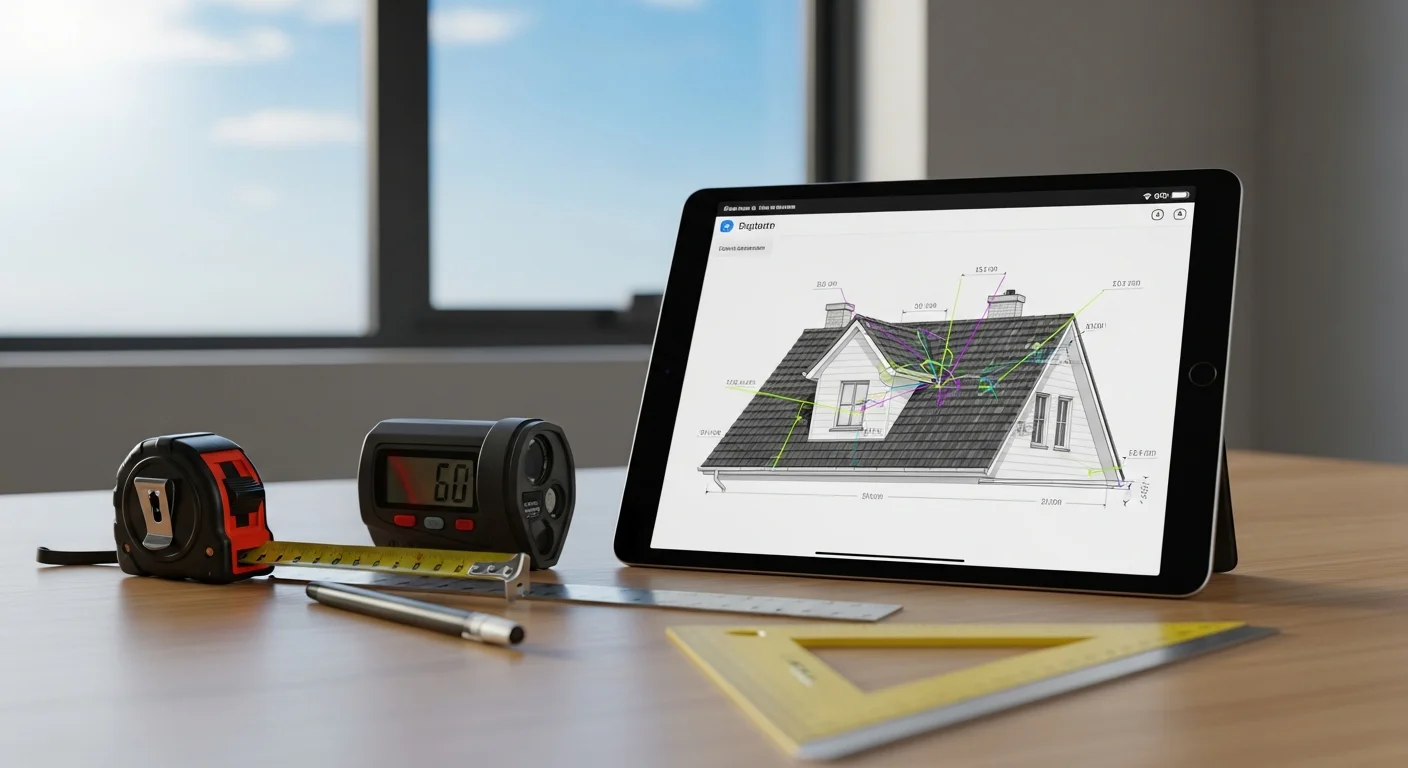
To use a digital tool effectively, you first need a measurement. From inside your attic, place a level horizontally against a rafter and measure the vertical distance from the 12-inch mark on the level to the rafter. This "rise over run" measurement provides the data points needed for any roof slope calculator to output accurate surface area estimates.
Avoiding Calculation Errors
Inputting accurate data into a roof slope calculator ensures you don't over-order or under-order materials. Errors in measurement can lead to thousands of dollars in wasted shingles or, worse, project delays because of shortages. Always double-check your rise and run measurements before finalizing your 2026 project budget.
Estimating Roofing Materials for Different Slopes
The Multiplier Effect
As the slope increases, the surface area of the roof increases even if the footprint of the house stays the same. Professional calculators use a slope factor multiplier (e.g., 1.20 for an 8/12 pitch) to convert flat square footage into actual roofing squares. This is why a larger slope directly correlates with higher material costs.
Material Compatibility
Not all materials work on all slopes. Asphalt shingles are standard for medium slopes, while flat roofs require single-ply membranes or built-up roofing. According to National Roofing Contractors Association guidelines, steep roofs offer the best longevity for high-end materials like slate or tile because water shedding is optimized.
| Slope Category | Recommended Materials | Waste Factor |
|---|---|---|
| Low Slope (0-3/12) | TPO, PVC, Modified Bitumen | 5-10% |
| Medium Slope (4-9/12) | Asphalt Shingles, Wood Shakes | 10-15% |
| Steep Slope (10/12+) | Slate, Tile, Metal Panels | 15-20% |
Want to see how much you can save with a Cool Roof?
Calculate Your Rebate Potential →Solar Panel Suitability and Pitch
The Optimal Angle for Efficiency
If you are considering solar panels in 2026, your roof slope is the most significant factor in energy production. According to the U.S. Department of Energy, an angle of 30 to 45 degrees is typically ideal for solar panels in the Northern Hemisphere. If your roof is too flat or too steep, you may need specialized racking systems.
Weight Considerations
High-pitch roofs pose a challenge for solar installation because of the sheer weight and gravitational pull on the mounting hardware. Ensuring your roof structure can handle the load starts with an accurate assessment of the slope. Many Orange County homeowners are choosing lightweight cool roof materials to offset the added weight of solar arrays.
Maximizing Cool Roof Rebates in Orange County
Title 24 Compliance in 2026
California's energy codes are stricter than ever. In 2026, many roof replacements require "Cool Roof" certification, which involves reflecting sunlight to reduce urban heat islands. The specific reflectance requirements often change depending on whether your roof is low-slope or steep-slope. Using a professional measurement tool helps determine which specific category of rebate you qualify for.
Available Financial Incentives
Various utility districts in Orange County offer per-square-foot rebates for energy-efficient roofing. By accurately calculating your roofing square footage, you can project your total savings before you even sign a contract. These rebates often cover a significant portion of the price difference between standard and energy-efficient materials.
Safety First: Roofing Safety for Steep Slopes
OSHA Regulations for Pitch
Safety is paramount when dealing with steep inclines. As noted by OSHA, fall protection systems are mandatory for any work performed at heights, but the complexity of these systems increases with the roof's slope. Professional contractors charge more for steep roofs because of the increased risk and the need for scaffolding or harnesses.
When to Hire a Professional
If your roof is steeper than a 6/12 pitch, it is generally considered unsafe for an average DIYer. Professionals have the training and specialized shoes to maintain traction on steep surfaces. Always ask your contractor for their safety record and proof of insurance, especially if your 2026 project involves high-altitude work on a steep gable or hip roof.
Frequently Asked Questions
What is the most common roof slope for residential homes?
Most ranch-style and modern homes in 2026 feature a slope between 4/12 and 6/12. This range is popular because it provides excellent water drainage while remaining relatively easy to walk on for maintenance and repairs.
Can I install solar panels on a flat roof?
Yes, you can. However, you will typically need a tilt-frame mounting system to angle the panels toward the sun for maximum efficiency. Without these frames, flat-mounted panels may lose 10-15% of their potential energy production.
Does a steeper roof last longer?
Generally, yes. Steeper roofs allow water, debris, and snow to shed more quickly, which reduces the chance of moisture penetration and rot. However, the materials must be properly fastened to resist the higher wind uplift forces found on steep slopes.
How does slope affect my 2026 roof replacement cost?
Slope affects the total surface area, the difficulty of labor, and the type of safety equipment required. Expect to pay a "steep charge" premium for any roof with a pitch greater than 7/12.
Are there specific cool roof requirements for steep roofs in California?
Yes, under 2026 Title 24 standards, even steep-slope roofs must meet minimum Aged Solar Reflectance and Thermal Emittance values in specific climate zones like Orange County. Using a roof slope calculator helps identify which standards apply to your specific home.
Ready to get an accurate estimate for your home?
Start Your Calculation Today →In conclusion, accurately determining your roof's geometry is the foundation of any successful 2026 renovation. By relying on a professional roof slope calculator, you remove the guesswork from material procurement and financial planning. This precision not only protects your budget but also ensures your home meets the rigorous energy standards of today.
As you move forward with your replacement, remember that the slope dictates everything from safety protocols to rebate eligibility. Take the time to measure correctly, choose the right materials for your specific pitch, and work with experts who understand the unique needs of Orange County homes. With the right data in hand, your new roof will be a high-performing asset for decades to come.
About the Author

Written by William Corcoran, Orange County Home Savings Expert
William Corcoran has helped Orange County families save money on their homes for over 15 years. Specializing in property tax reduction and smart refinancing, he offers expert guidance you can trust. www.energybot.com www.energystar.gov
Related Articles

Ready to Find Your Savings?
Get a free personalized report showing all rebates and incentives your home qualifies for.
Get My Free Report