Roof Replacement Cost 2026: Saving Money with Cool Roof Rebates and Efficiency
Key Takeaways
- Calculate total replacement costs for 2026 using current energy efficiency data
- Identify high value cool roof rebate eligibility requirements for local homeowners
- Understand the long term financial benefits of selecting solar ready materials
- Compare modern roofing materials to maximize durability and utility savings
As we move through the Winter 2026 season, many homeowners are re-evaluating their property maintenance budgets. Protecting your home from the elements starts from the top down, and scheduling a professional roof inspection is the most critical first step in identifying whether you need a minor repair or a complete system overhaul. With material costs evolving, understanding the local market is essential for smart financial planning.
According to the U.S. Department of Energy, selecting a cool roof can significantly reduce peak cooling demand by up to 15 percent. In 2026, the intersection of smart technology and sustainable building practices has made it easier than ever to offset initial expenses through state and local incentives.
Estimating Roof Replacement Cost 2026
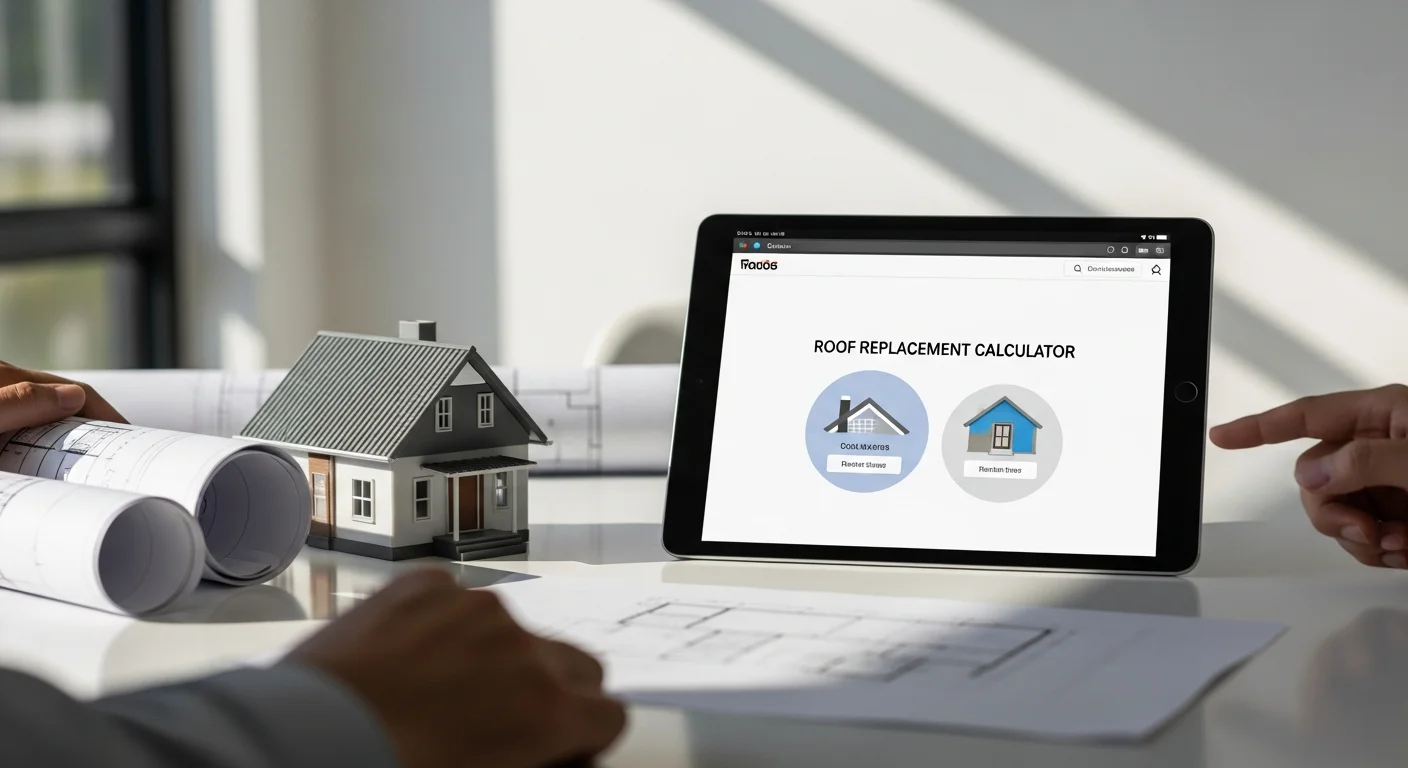
Roof Replacement Calculator
Buy NowMarket Factors Influencing Pricing
The how much does a new roof cost in 2026 question depends heavily on labor availability and supply chain stability. Currently, we are seeing a shift toward more specialized labor for high-performance installations. This reflects a growing demand for systems that offer superior thermal resistance and longevity.
Breakdown by Square Footage
Most contractors calculate pricing based on "squares," which are 100-square-foot sections. For a standard single-family home in 2026, expect variability based on pitch and complexity. Use our online tools to get a baseline for your specific neighborhood and property size.
Want to see how much you can save on energy costs?
Access the 2026 Roof Replacement Calculator →Cool Roof Rebate Eligibility Explained
State and Local Utility Programs
Achieving cool roof rebate eligibility requires the installation of materials that meet specific solar reflectance and thermal emittance standards. Many local utilities in California offer per-square-foot rebates for qualified products. Always check the current list of approved products before purchasing materials.
Energy Star Certification Standards
According to Energy Star roofing requirements, certified products must maintain their reflective properties over time. This ensures that the energy savings you expect in the first year continue throughout the life of the roof. Documentation from your installer is usually required for rebate processing.
The Essential Role of a Professional Roof Inspection
Identifying Hidden Structural Issues
A thorough roof inspection identifies problems that aren't visible from the ground, such as deck rot or compromised flashing. In 2026, experts use infrared technology to detect moisture traps that could lead to mold or structural failure if left unaddressed.
Maximizing Your Insurance Claim
When damage occurs during Winter 2026 storms, having a professional report is vital. Detailed documentation ensures that your insurance carrier has the necessary evidence to approve full coverage rather than a partial repair. This can save homeowners thousands of dollars in out-of-pocket costs.
Comparing Best Roofing Materials for Energy Efficiency
| Material Type | Energy Efficiency Benefit | Durability Rating |
|---|---|---|
| Cool Shingles | High Reflectivity | Moderate (25-30 yrs) |
| Standing Seam Metal | Thermal Emittance | Very High (50+ yrs) |
| Concrete Tile | Natural Airflow | High (40+ yrs) |
Not sure which material fits your budget?
Calculate Your Material Savings Now →Using a Roof Replacement Calculator in Orange County
Local Cost Variables
The roof replacement calculator Orange County residents use must account for specific regional factors. This includes high-wind zone requirements and local permitting fees which can vary between municipalities like Irvine or Newport Beach.
Customizing Your Quote
Modern digital tools allow you to input your specific roof pitch and the number of stories. This provides a more accurate saving money on roof replacement strategy because you can see exactly how different material choices impact your bottom line.
Navigating Roofing Tax Credits in 2026
Federal Incentive Programs
As specified by the IRS Energy Efficient Home Improvement Credit, homeowners can claim a percentage of the cost for certain qualified upgrades. This program has been updated for the 2026 tax year to favor higher SRI (Solar Reflectance Index) values.
Combining Rebates and Credits
The most successful financial strategy involves "stacking" incentives. By combining a local utility rebate with federal roofing tax credits 2026, many homeowners are finding that the net cost of a premium, energy-efficient roof is lower than a standard shingle roof.
Ready to maximize your tax benefits?
Check Your Eligibility Today →Frequently Asked Questions
How often should I get a roof inspection?
In the year 2026, it is recommended to have a professional roof inspection at least once every two years, or after any significant severe weather event. This proactive approach helps catch minor leaks or missing shingles before they lead to expensive structural damage.
What are the main benefits of cool roof coatings?
The primary benefits include a significant reduction in indoor temperatures and lower monthly utility bills. According to the Wikipedia overview of cool roofing, these materials reflect more sunlight and absorb less heat than traditional dark roofing materials.
Can I install solar panels on an old roof?
It is generally not advisable to install solar panels if your roof is more than 10-15 years old. The cost of removing and re-installing panels to replace the roof later often outweighs the immediate savings, making a simultaneous replacement much more cost-effective.
What are common roofing contractor red flags?
Key red flags include asking for the full payment upfront, lack of a physical office address, and a lack of proper licensing or insurance. Always verify credentials through the National Roofing Contractors Association resources before signing a contract.
How long does the average roof replacement take?
For most residential properties, the actual installation takes between 1 and 3 days. However, the entire process including permitting and material delivery can span several weeks, so it is important to plan ahead during the peak season.
Conclusion
Investing in your home's exterior infrastructure is one of the most reliable ways to increase property value while decreasing operational costs. By leveraging the latest best roofing materials for energy efficiency, you are not just repairing a shelter; you are installing a high-performance system designed for the climate challenges of 2026 and beyond.
Don't wait for a leak to reveal itself during a winter storm. Securing a professional roof inspection today is the best way to ensure your home remains safe, efficient, and eligible for all available financial incentives. Use our local savings tools to take the first step toward a cooler, more affordable home this year.
About the Author

Written by William Corcoran, Orange County Home Savings Expert
William Corcoran has helped Orange County families save money on their homes for over 15 years. Specializing in property tax reduction and smart refinancing, he offers expert guidance you can trust. www.energybot.com www.energystar.gov
Related Articles

Ready to Find Your Savings?
Get a free personalized report showing all rebates and incentives your home qualifies for.
Get My Free Report