2026 Guide to Energy Efficient Windows: Costs, Rebates, and Maximum Home Savings
Key Takeaways
- Current window replacement costs are influenced by material choice and energy efficiency ratings.
- Federal tax credits for 2026 provide significant financial relief for energy-conscious homeowners.
- Vinyl frames remain the most cost-effective option while providing excellent insulation.
- Using an online calculator can provide personalized estimates for your specific home layout.
As we navigate through Winter 2026, many homeowners are noticing drafts that lead to skyrocketing utility bills. Understanding the current replacement windows prices is the first step toward reclaiming your home's comfort and energy security. Upgrading your windows is no longer just an aesthetic choice; it is a critical financial strategy for the modern homeowner.
Recent advancements in manufacturing and new legislative incentives have shifted the landscape of home improvement. While the initial investment may seem daunting, the long-term ROI has never been more attractive. This guide explores the variables that dictate costs and how you can leverage local resources to minimize expenses.
Want to see how much you can save on your upgrade?
Calculate Your Savings Now →Analyzing Replacement Windows Prices for 2026
Window Replacement Calculator
Buy NowMarket Trends and Regional Variations
In early 2026, replacement windows prices have stabilized following the supply chain fluctuations of previous years. On average, homeowners can expect to pay anywhere from $600 to $1,500 per window, including installation. These variations often depend on the specific architectural requirements of the property and the desired energy rating.
The Impact of Window Style on Cost
Double-hung windows remain a popular standard, but specialty shapes like casement or bay windows will naturally command a higher price point. According to the U.S. Department of Energy, selecting the right window type is crucial for both functionality and budget management.
Frame Materials: Vinyl vs. Wood vs. Fiberglass
Vinyl: The Modern Value Leader
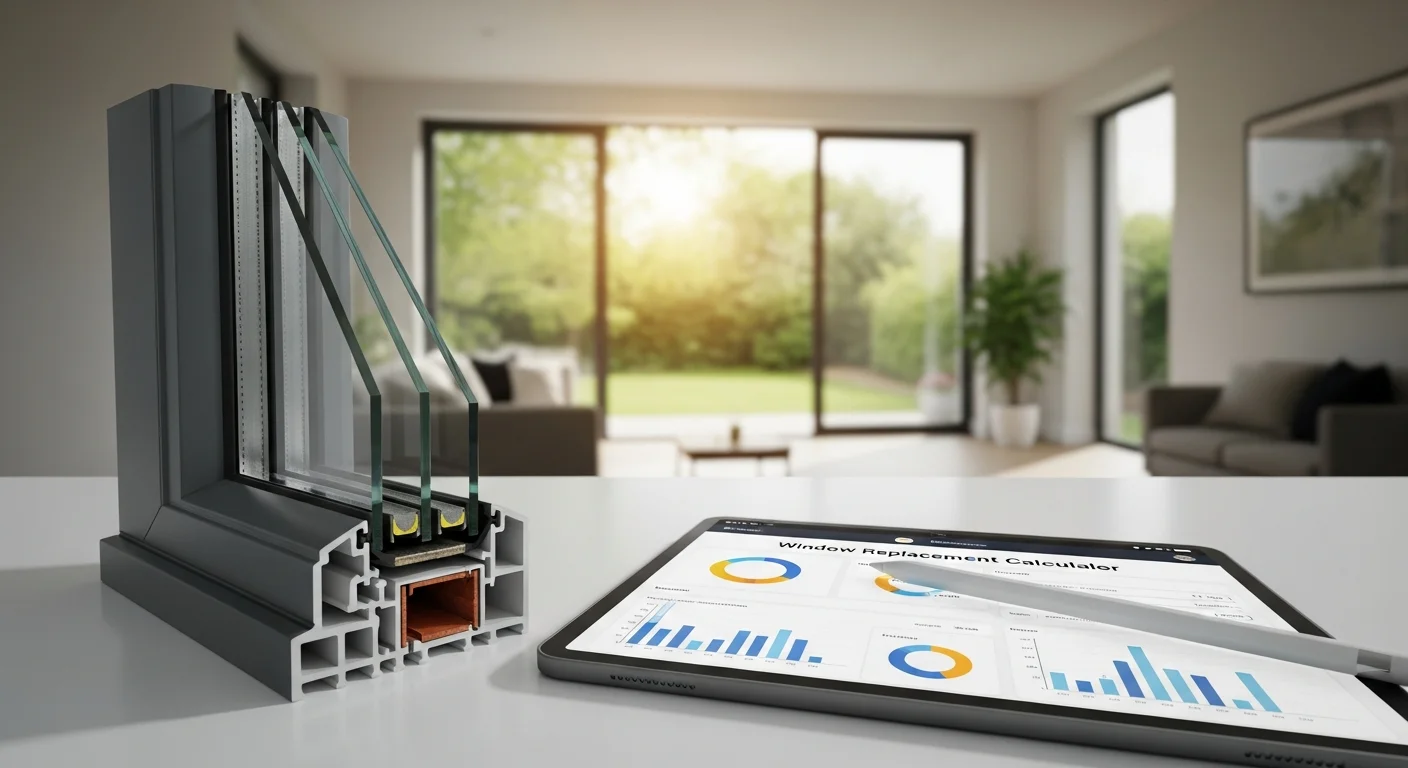
Vinyl frames continue to dominate the market because they offer a superior balance of durability and affordability. They require minimal maintenance and provide excellent thermal resistance. This makes them a top choice for those looking to manage replacement windows prices without sacrificing quality.
Premium Options: Wood and Fiberglass
For historical homes or high-end aesthetics, wood frames offer unmatched beauty but require regular upkeep. Fiberglass, on the other hand, is incredibly strong and expands at nearly the same rate as glass, ensuring a tight seal for decades. Both options sit at the higher end of the pricing spectrum.
| Material | Relative Cost | Key Benefit |
|---|---|---|
| Vinyl | Budget-Friendly | Low maintenance, high insulation |
| Fiberglass | Mid-to-High | Extreme durability and strength |
| Wood | Premium | Classic aesthetic and natural warmth |
Energy Efficiency and Glass Performance
The Role of Low-E Coatings
Low-emissivity (Low-E) glass is a standard feature in 2026. This microscopic coating reflects infrared light, keeping heat inside during the winter and outside during the summer. While this technology impacts replacement windows prices slightly, the reduction in monthly energy bills often pays for the upgrade within a few years.
Triple Pane vs. Double Pane
In colder climates, triple-pane windows are becoming more common. They offer a significant boost in soundproofing and insulation compared to double-pane versions. Research from the Energy Star Program suggests that high-performance glass can reduce household energy carbon footprints significantly.
Ready to upgrade to Energy Star rated windows?
Get Your Quote →Maximizing Your 2026 Federal Tax Credits
The Inflation Reduction Act Extension
Under current 2026 regulations, homeowners can claim a tax credit for up to 30% of the cost of energy-efficient windows, capped at $1,200 annually. This incentive is a major factor in reducing the net replacement windows prices for most residential projects.
Qualifying for Savings
To qualify, windows must meet the Energy Star Most Efficient criteria. It is vital to keep all receipts and NFRC labels for your tax records. According to Internal Revenue Service guidelines, professional installation is often required to validate the claim.
Installation and Labor Trends
Professional vs. DIY Installation
While DIY may seem like a way to cut replacement windows prices, it often voids warranties and can lead to air leaks. Professional installers ensure that the window is perfectly level and properly flashed to prevent water damage.
Local Labor Rates in Orange County
Labor rates in high-demand areas can vary. In 2026, installation costs typically range from $150 to $300 per opening. Factors such as window height and the complexity of the existing frame removal can influence the final labor bill.
See how local labor and rebates affect your total cost.
Access the 2026 Calculator →Frequently Asked Questions
How do I know if I need new windows?
Common signs include condensation between glass panes, visible rot on frames, and difficulty opening or closing the sashes. If your energy bills have spiked despite normal usage, it is likely that your seals have failed.
What are the average replacement windows prices for a whole house?
For a standard 10-window home, costs typically range from $8,000 to $15,000 depending on the materials and glass packages selected. High-end wood or fiberglass projects can exceed $20,000.
Do energy-efficient windows really save money?
Yes, according to data from the Wikipedia page on Insulated Glazing, heat loss through windows can account for up to 30% of a home's heating and cooling energy use.
Can I get a tax credit for window replacement in 2026?
Absolutely. The federal Energy Efficient Home Improvement Credit allows you to deduct 30% of the cost of qualifying window upgrades, up to a maximum of $1,200 per year.
Is fiberglass worth the extra cost over vinyl?
Fiberglass is superior for large window openings and extreme temperature swings. However, for most residential applications in moderate climates, vinyl offers the best return on investment.
Making the Right Investment for Your Home
Investing in your home's exterior is one of the smartest decisions you can make in Winter 2026. While replacement windows prices can vary, the combination of improved comfort, reduced energy bills, and enhanced curb appeal makes this a high-value project. By choosing energy-efficient materials and taking advantage of federal tax incentives, you can protect your investment for decades to come.
Remember to always obtain multiple quotes and verify the credentials of your chosen contractor. For those in Southern California, local rebate programs may offer even deeper savings than federal credits alone. Start your journey today by getting a clear picture of your potential savings and transforming your living space into a model of efficiency.
About the Author

Written by William Corcoran, Orange County Home Savings Expert
William Corcoran has helped Orange County families save money on their homes for over 15 years. Specializing in property tax reduction and smart refinancing, he offers expert guidance you can trust. www.energybot.com www.energystar.gov
Related Articles

Ready to Find Your Savings?
Get a free personalized report showing all rebates and incentives your home qualifies for.
Get My Free Report