Lower Your Property Assessments: A 2026 Guide to Real Estate Tax Savings and Effective Appeals
Key Takeaways
- Identify common clerical errors in local government home assessments
- Use digital tools to calculate potential savings before filing an appeal
- Gather comparable sales data from the Winter 2026 market to support your case
- Understand the specific deadlines for Orange County tax appeal filings
As we navigate the Winter 2026 season, many homeowners are opening their latest valuation notices with a sense of trepidation. Understanding the mechanics of your **property tax** assessment is the first step toward ensuring you are not overpaying on your primary investment. In a fluctuating real estate market, assessments often lag behind actual values, leading to inflated bills.
According to Tax Foundation data, billions of dollars are collected annually in local levies, yet a significant percentage of homes are valued higher than their actual market worth. By taking proactive steps to lower your property assessments, you can secure thousands of dollars in real estate tax savings 2026.
Understanding Your 2026 Real Estate Assessment
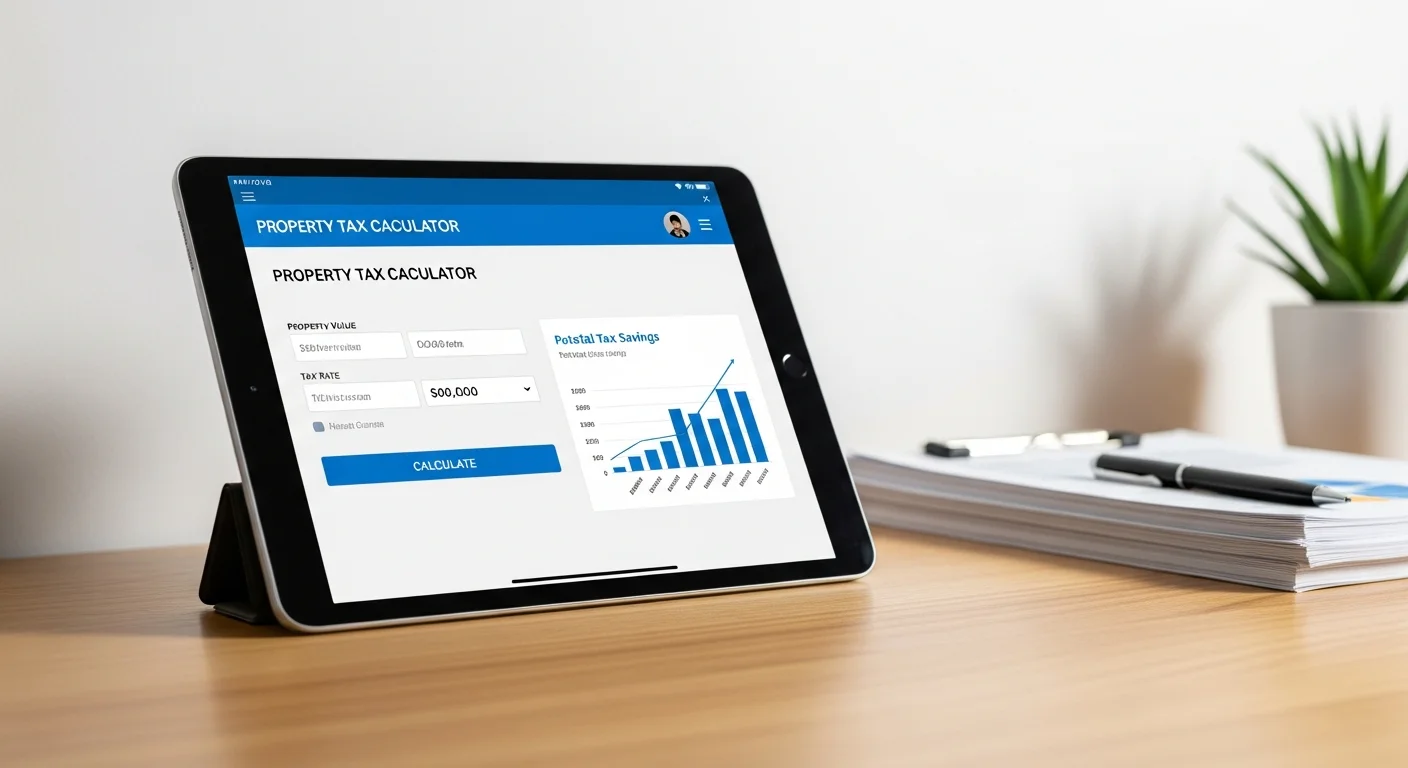
Property Tax Appeal Calculator
Buy NowThe Assessment Cycle
Assessors typically work on a multi-year cycle to update home values. However, market shifts in 2026 may mean that the valuation used for your current bill is based on outdated, peak-market data. Understanding when your local municipality conducts these reviews is vital for timing your orange county tax appeal process.
Fair Market Value vs. Assessed Value
It is important to distinguish between what you could sell your home for and the value the government uses to calculate dues. Many jurisdictions apply an assessment ratio to the fair market value. If this ratio is applied incorrectly, you may have a strong case for reducing annual property costs.
Common Property Tax Assessment Mistakes
Clerical and Data Errors
Assessors deal with thousands of records, and simple mistakes are frequent. Your property record card might list a fourth bedroom that doesn't exist or overestimate your square footage. Correcting these property tax assessment mistakes is often the easiest path to a reduction.
Comparative Inequity
According to research from the National Association of Realtors, homes should be assessed equitably compared to similar properties in the same neighborhood. If your neighbor with an identical floor plan has a significantly lower assessment, you have grounds for a challenge.
Want to see how much you could save this year?
Try Our Savings Calculator →How to Appeal Property Tax Bill Effectively
Reviewing the Deadlines
Every county has a strict window for appeals, often just 30 to 60 days after the assessment notice is mailed. Missing the property tax appeal deadline 2026 means you lose your right to challenge the valuation until the following year.
The Formal Petition Process
The process usually involves filing a specific form with the local Board of Equalization or Assessment Appeals Board. As noted by the California State Board of Equalization, providing clear, concise documentation is the key to a favorable ruling.
Using a Property Tax Reduction Calculator
Instant Data Comparison
A modern property tax reduction calculator uses real-time market data to compare your assessment against recent sales. This tool provides an immediate estimate of whether your home is over-assessed, saving you hours of manual research.
Estimating Potential Refunds
Before committing to the appeal process, it's helpful to know the stakes. By analyzing the current **property tax** rates in your local municipality, these calculators can project your annual and long-term savings from a successful reduction.
Stop overpaying on your home assessment today.
Calculate Your Savings Potential →Gathering Evidence for Home Value Assessment Appeal
Selecting Comparable Sales
The most persuasive evidence is a list of "comps"—similar homes that sold for less than your assessed value. Ensure these sales occurred close to the assessment date for maximum impact during your home value assessment appeal.
Documenting Property Conditions
If your home has structural issues, an outdated interior, or environmental factors that lower its value, document them with photos. These details are often missed by the assessor’s drive-by inspections but are critical for assessment appeal evidence gathering.
| Appeal Step | Action Required |
|---|---|
| Review Record | Check property card for clerical errors and incorrect square footage. |
| Run Calculator | Use a digital tool to estimate market value versus assessed value. |
| Gather Comps | Find 3-5 similar properties sold within the last 6 months. |
The Financial Benefits of Tax Appeal Services
Maximizing Your Refund
Professional services understand the nuances of the law and can often identify savings opportunities that homeowners miss. This expertise is crucial for determining property tax refund eligibility and ensuring the highest possible reduction.
Navigating Commercial vs Residential Appeals
The rules change significantly depending on the property type. By leveraging a **property tax** appeal tool designed for your specific category, you can ensure compliance with local regulations. Professional benefits of tax appeal services include handling all the paperwork and representing you at hearings.
Frequently Asked Questions
How do I know if my assessment is too high?
Compare your assessed value to the recent sales prices of similar homes in your immediate neighborhood. If your assessment is higher than what you could reasonably sell the home for today, you are likely over-assessed.
Is a property tax appeal worth the effort?
For many homeowners, a successful appeal can save between $500 and $5,000 annually. Since assessments often stay in place for years, the cumulative savings over a decade can be substantial.
What happens if I miss the appeal deadline?
If the deadline passes, you generally must wait until the next assessment cycle to file. It is critical to monitor your mail for valuation notices in early 2026 to avoid missing your window.
Do I need a lawyer for a residential appeal?
While not legally required, professional guidance or using a specialized calculator can significantly improve your chances of success by ensuring your evidence meets the board's standards.
Can my taxes go up if I appeal?
While technically possible, it is extremely rare for an assessment to be increased during an appeal unless a major unreported improvement (like an unpermitted addition) is discovered.
In conclusion, managing your real estate expenses requires vigilance and the right tools. By identifying errors and using a reliable calculator, you can navigate the 2026 tax season with confidence. Taking the time to challenge an unfair valuation is a right every homeowner should exercise.
According to information from IRS Tax Topics, while local assessments are not federal matters, the deductions you take are impacted by your local payments. Start taking control of your **property tax** obligations today to ensure your financial health for the years to come.
Ready to lower your annual home costs?
Access the Appeal Calculator Now →About the Author

Written by William Corcoran, Orange County Home Savings Expert
William Corcoran has helped Orange County families save money on their homes for over 15 years. Specializing in property tax reduction and smart refinancing, he offers expert guidance you can trust. www.energybot.com www.energystar.gov
Related Articles

Ready to Find Your Savings?
Get a free personalized report showing all rebates and incentives your home qualifies for.
Get My Free Report