2026 Modern Accessory Dwelling Units: Cost Estimator and Building Guide for Backyard Cottages
Key Takeaways
- Modular construction methods in 2026 offer up to 40 percent faster timelines than traditional builds.
- Utilizing an accurate cost estimator is essential for managing backyard cottage budgets effectively.
- Streamlined permit regulations in California continue to lower barriers for secondary housing units.
- Sustainable designs and high-quality materials significantly boost long-term property resale value.
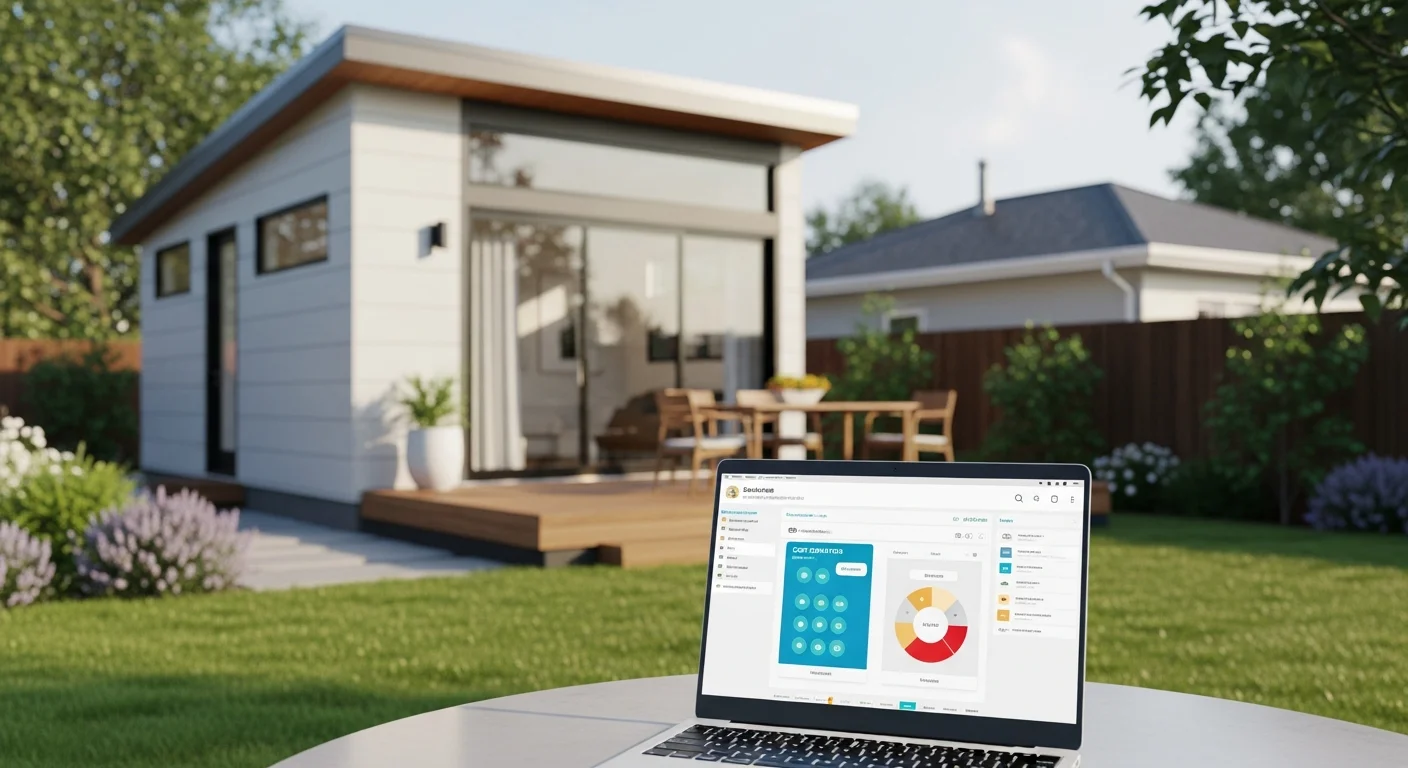
The housing landscape in early 2026 has shifted toward smarter, more efficient living solutions. For homeowners in California, particularly Orange County, the demand for secondary housing has led to a surge in interest for a prefab adu as a viable alternative to traditional construction. These units offer a blend of modern aesthetics and structural integrity that meets the needs of multi-generational families and investors alike.
Navigating the costs of these units can be complex, involving everything from site preparation to utility hookups. According to the California Department of Housing and Community Development, recent legislative updates have further encouraged homeowners to utilize their backyard space. By understanding the current 2026 price points and building methods, you can make an informed decision that benefits your financial future.
Modern Accessory Dwelling Units: 2026 Market Trends
ADU / Granny Flat Cost Calculator
Buy NowThe Shift Toward Factory-Built Quality
In the current Winter 2026 season, the trend has moved decisively toward factory-built quality. These structures are built in climate-controlled environments, ensuring that materials are never exposed to the elements during the framing phase. This results in a more durable and precision-engineered home compared to older methods.
Multi-Generational Living Solutions
According to research from the National Association of Realtors, more homeowners are building units to accommodate aging parents or adult children. These units provide privacy while maintaining proximity, creating a sustainable living arrangement for families in high-cost areas.
Analyzing the Benefits of a Prefab ADU in 2026
Choosing a prefab adu over stick-built construction offers several distinct advantages in today's market. The primary benefit is the speed of delivery; while a site-built unit might take nine months to a year, a modular unit can often be ready for occupancy in less than half that time. This efficiency reduces the time your backyard looks like a construction zone.
Want to know exactly what your new unit will cost?
Use the ADU Cost Calculator Now →Cost Predictability and Fixed Pricing
One of the biggest hurdles in construction is the "unknown." When you opt for a prefab adu, the manufacturing costs are largely fixed. This helps homeowners avoid the common 15-20% budget overruns associated with traditional plumbing and electrical variations found in custom on-site builds.
Superior Energy Efficiency
Modern factory builds often exceed standard building codes. According to the U.S. Department of Energy, modular homes are frequently more air-tight, which leads to lower heating and cooling costs—a critical factor for the 2026 California climate.
| Feature | Prefab ADU Advantage |
|---|---|
| Construction Timeline | Typically 12-16 weeks from permit to finish. |
| Waste Management | Reduced material waste due to precision factory cutting. |
| Permit Handling | Pre-approved plans often available for faster city processing. |
Granny Flat Price Estimator: Budgeting for Success
The first question every homeowner asks is, "How much will it cost?" In 2026, pricing is influenced by labor costs, material availability, and local impact fees. A comprehensive cost estimator should account for site preparation, foundation work, and the final crane installation of the unit.
Understanding Hard Costs vs. Soft Costs
Hard costs include the structure itself and the physical installation. Soft costs involve architectural fees, soil reports, and city permit fees. In Orange County, these soft costs can represent a significant portion of the total investment, making early estimation vital.
Financing Your Backyard Cottage
In 2026, financing options have expanded. Many homeowners utilize Home Equity Lines of Credit (HELOC) or specialized ADU construction loans. These financial products allow you to leverage your existing equity to fund the addition, often with tax-deductible interest benefits.
Ready to estimate your property's potential?
Get Your Custom Cost Quote →Accessory Dwelling Unit Permit Process and Regulations
California has led the way in streamlining the accessory dwelling unit permit process. As of 2026, local jurisdictions are required to act on applications within 60 days. This accelerated timeline is a major win for homeowners who previously faced years of bureaucratic red tape.
Navigating Zoning and Setbacks
Even with state-wide mandates, local setbacks and height restrictions still apply. Most standard units require a 4-foot rear and side yard setback. Consulting with a specialist can ensure your site plan complies with both state law and local municipal codes without expensive revisions.
Utility Connections and Upgrades
Your new unit will need water, sewer, and electrical service. Depending on the age of your main home, you may need to upgrade your electrical panel to handle the additional load. Expert builders often include these utility assessments in the initial feasibility study.
Maximizing Property Value with Sustainable Design
Integrating a prefab adu into your property isn't just about adding square footage; it's about smart investment. According to the Terner Center for Housing Innovation, adding a permitted secondary unit can increase property value by up to 30% in high-demand California markets.
Architectural Cohesion
To maximize resale value, the design of the new unit should complement the primary residence. Modern finishes, matching rooflines, and similar color palettes create a cohesive look that appeals to future buyers and appraisers alike.
Eco-Friendly Upgrades
Solar readiness and gray-water systems are increasingly popular in 2026. These sustainable features not only reduce the carbon footprint of the building but also provide long-term utility savings, making the unit more attractive for rental or family use.
Frequently Asked Questions
What is the average cost of a prefab adu in 2026?
In 2026, prices typically range from $180,000 for a studio to over $350,000 for a two-bedroom unit, depending on finishes and site conditions. This includes the structure, delivery, and basic utility connections.
Do I need a separate permit for a modular unit?
Yes, all units require a local building permit. However, many modular companies use state-certified factory plans which can significantly shorten the local building department's review time for the structure itself.
Can I use a prefab adu as a rental property?
Absolutely. California law prevents local jurisdictions from requiring owner-occupancy on most ADUs, allowing you to rent out both the main house and the backyard unit for maximum income potential.
How long does the installation take?
The physical installation of a modular unit often takes just 1-2 days using a crane. Final utility hookups and interior touch-ups usually take an additional 2-4 weeks before the unit is move-in ready.
Will adding an ADU increase my property taxes?
Your property taxes will increase, but only based on the value of the new addition. The main home's assessed value will not be re-evaluated under current California tax law (Proposition 13).
Conclusion
The decision to build a prefab adu in 2026 is a strategic move that addresses the need for space while adding long-term financial stability. With shorter construction times and more predictable costs than traditional builds, modular solutions are the future of California housing. By utilizing modern cost estimators and professional guidance, you can transform your backyard into a functional, beautiful living space.
At Orange County Home Savings, we specialize in helping homeowners navigate the complexities of secondary dwelling construction. From initial budgeting to selecting the right model, our goal is to ensure your project is a success. Don't let the complexity of construction hold you back—start planning your secondary unit today and enjoy the benefits for years to come.
Get started with a professional estimation today.
Access the ADU Calculator →About the Author

Written by William Corcoran, Orange County Home Savings Expert
William Corcoran has helped Orange County families save money on their homes for over 15 years. Specializing in property tax reduction and smart refinancing, he offers expert guidance you can trust. www.energybot.com www.energystar.gov
Related Articles

Ready to Find Your Savings?
Get a free personalized report showing all rebates and incentives your home qualifies for.
Get My Free Report