Modern Modular Living: Prefab Guest House Benefits and Construction Costs in 2026
Key Takeaways
- Prefabricated units save significant construction time compared to traditional site-built structures.
- Current 2026 zoning laws in California have streamlined the approval process for backyard cottages.
- Investing in a secondary unit can significantly increase your total property value and rental income potential.
- Accurate budgeting must include site preparation and utility connection fees beyond the base unit price.
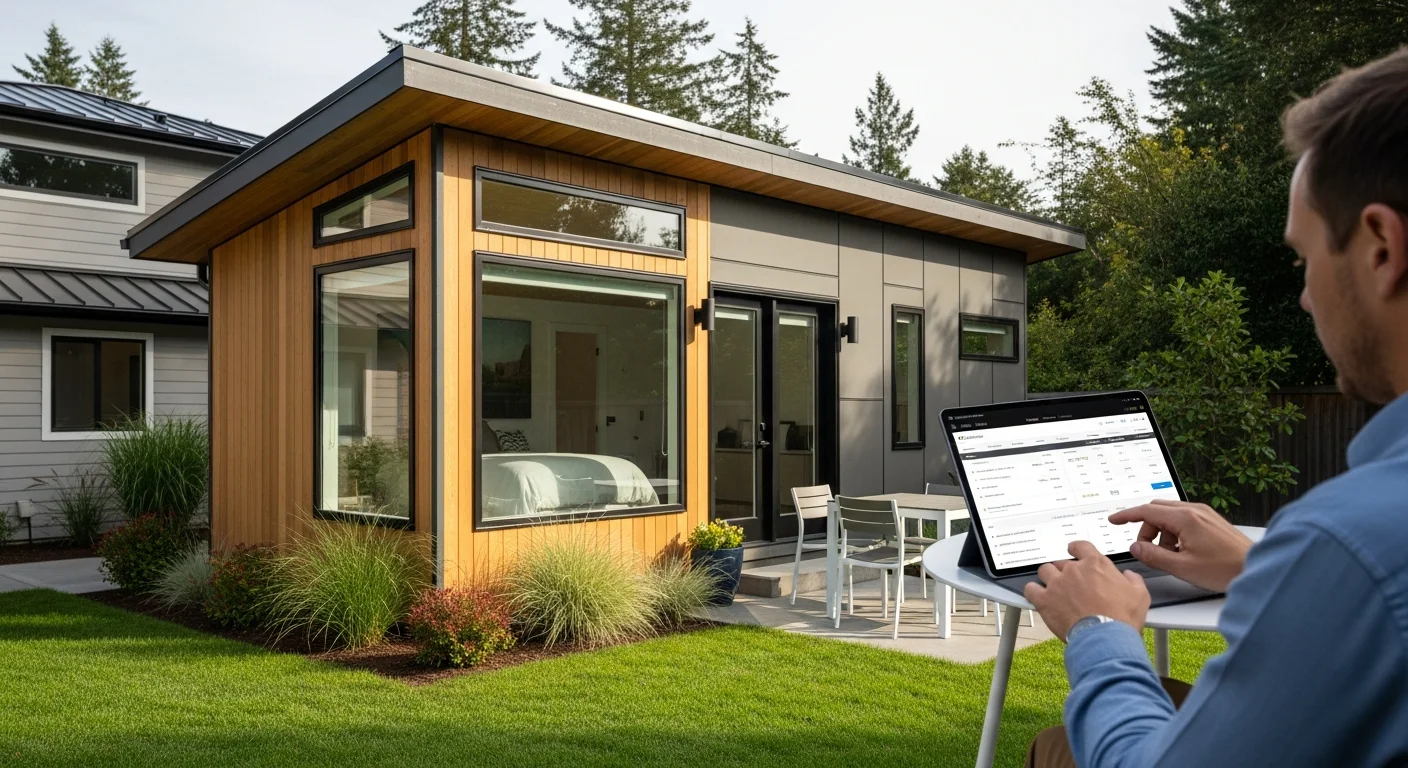
As we navigate the housing landscape of Winter 2026, homeowners are increasingly seeking efficient ways to add square footage to their properties. A prefab adu represents the pinnacle of modern construction efficiency, offering a faster and often more predictable alternative to traditional remodeling. Whether you are looking to house an aging relative or generate rental income, understanding the current market is essential.
The demand for these units has surged due to legislative changes and advancements in off-site manufacturing. By shifting the bulk of construction to a controlled factory environment, homeowners can avoid the months of noise and debris associated with standard building sites. This guide explores the financial and logistical aspects of choosing a modular solution in today's economy.
Understanding prefab adu Cost in 2026
ADU / Granny Flat Cost Calculator
Buy NowManufacturing vs. Total Project Budget
When browsing for a unit, the sticker price often covers just the structure itself. It is vital to distinguish between the manufacturing costs and the total project budget. According to the California Department of Housing and Community Development, site preparation can account for 20% to 40% of the total expense.
Utility Connections and Foundation Work
Connecting your new unit to water, sewer, and electrical lines requires professional trenching and plumbing. In 2026, these costs are influenced by the distance from the primary residence and local utility impact fees. Modern foundation options, such as helical piles, can sometimes reduce these site-specific costs.
Want to know exactly what your project will cost?
Try Our ADU Cost Calculator Now →Key Benefits of Modular Guest House Designs
Superior Quality Control
Units built in a factory are protected from the elements throughout the construction phase. This prevents moisture-related issues like mold or wood rot that can occur during rainy seasons on open-air job sites. Precise machinery ensures that every corner is square and every seal is airtight.
Sustainable Building Practices
Modular construction generates significantly less waste than traditional methods. Excess materials are easily recycled or used for the next unit in the production line. Many 2026 models also feature integrated solar readiness and high-efficiency HVAC systems as standard components.
| Feature | Benefit |
|---|---|
| Factory Precision | Better insulation and lower energy bills |
| Reduced Timeline | Move-in ready months sooner than stick-built |
| Fixed Pricing | Avoid surprise material cost hikes during building |
Essential Permit and Zoning Requirements
State-Level Protections
As of Winter 2026, California law prevents local municipalities from imposing restrictive lot size requirements that would block the addition of a secondary dwelling. According to Wikipedia's ADU overview, these regulations are designed to increase urban density without changing neighborhood character.
Standardized Plans
Many cities now offer "pre-approved" plans for specific modular units. Using these standardized designs can cut weeks off the permitting process because the structural integrity and fire safety elements have already been verified by the building department.
Ready to see how much value you can add to your home?
Calculate Your Home Value Increase →Financing and ROI for Your Backyard Cottage
Home Equity Solutions
Most homeowners fund their secondary unit through a Home Equity Line of Credit (HELOC) or a cash-out refinance. Because a prefab adu adds immediate appraisal value, many lenders are willing to base the loan on the future value of the property once the unit is complete.
Rental Revenue Streams
In the current 2026 rental market, secondary units can command high monthly rates, often covering the loan payment entirely. This makes the investment "cash-flow positive" from the first year of occupancy, especially in high-demand coastal regions.
The Installation Timeline for Modern Small Homes
Parallel Processing
The primary advantage of choosing a prefab adu is that site preparation and factory construction happen simultaneously. While your foundation is being poured and cured, your home is already being framed and finished in the factory, cutting the traditional timeline by half.
The "Set" Day
On delivery day, the unit is craned into position. Within a single day, the structure is secured, and the exterior is finalized. The remaining week or two involves final utility hookups and landscaping, making the process incredibly non-disruptive to the main household.
Plan your project timeline today!
Get Your Custom Cost Estimate →Frequently Asked Questions
How much does a modular unit cost in 2026?
While base unit prices vary, total project costs typically range from $150,000 to $350,000 depending on size and site conditions. This includes the unit, permits, site prep, and final connections.
Does adding an ADU increase my property taxes?
Generally, your property taxes will only increase based on the value of the new construction, not a full reassessment of your entire property. You should consult with the local assessor's office for specific 2026 rates.
Can I use a prefab unit as a rental property?
Yes, most California jurisdictions allow ADUs to be used as long-term rentals. This is one of the primary reasons homeowners invest in modular units to create passive income.
Are prefab homes as durable as traditional homes?
Prefabricated units must meet the same building codes as stick-built homes and are often more durable because they are engineered to withstand the stresses of transportation and crane lifting.
How long does the entire process take?
From design and permitting to final move-in, most projects take between 4 to 8 months. This is significantly faster than the 12 to 18 months typically required for custom on-site builds.
Choosing the Right Path for Your Property
Investing in a prefab adu is a strategic move for homeowners looking to maximize their land's potential in Winter 2026. The combination of factory efficiency, predictable pricing, and high-quality finishes makes modular construction the preferred choice for modern backyard developments.
As you move forward, remember to evaluate manufacturers based on their track record and the transparency of their pricing. With the right planning and a reliable cost estimator, you can transform your backyard into a valuable asset that serves your family for decades to come.
About the Author

Written by William Corcoran, Orange County Home Savings Expert
William Corcoran has helped Orange County families save money on their homes for over 15 years. Specializing in property tax reduction and smart refinancing, he offers expert guidance you can trust. www.energybot.com www.energystar.gov
Related Articles
Ready to Find Your Savings?
Get a free personalized report showing all rebates and incentives your home qualifies for.
Get My Free Report