Energy Efficient Pool Heating Solutions: How to Save Money in Winter 2026
Key Takeaways
- Heat pumps are significantly more energy efficient than traditional gas heaters
- Operating costs can be reduced by up to 70 percent with modern 2026 technology
- A high Coefficient of Performance rating indicates better energy transfer efficiency
- Proper maintenance and pool covers are essential for maximizing thermal retention
As we navigate through Winter 2026, pool owners are increasingly seeking ways to maintain a comfortable swimming temperature without facing astronomical utility bills. A high-quality pool heat pump heater offers a sustainable and cost-effective alternative to traditional gas-fired systems, utilizing ambient air temperature to warm your water efficiently.
Understanding the mechanics of modern pool heating is the first step toward significant home savings. According to the U.S. Department of Energy, these systems can provide substantial annual savings compared to resistance or gas heaters, especially in milder climates like Southern California.
Calculate Your Potential Savings Instantly
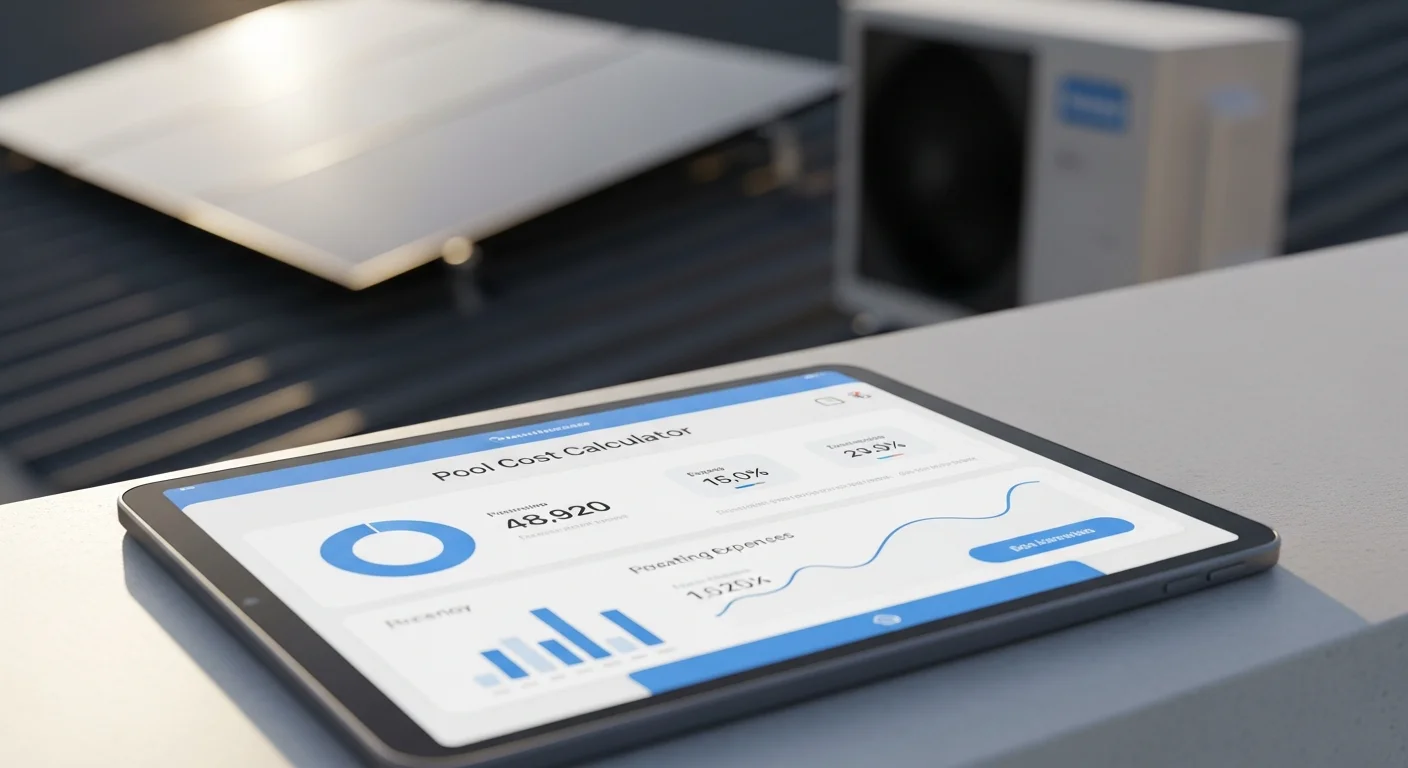
Use the Pool Cost Calculator →Energy Efficient Pool Heating Solutions for 2026
Pool Cost Calculator
Buy NowUnderstanding COP Ratings
The Coefficient of Performance (COP) is the primary metric for efficiency in heating equipment. In 2026, leading models are achieving COPs as high as 6.0, meaning for every unit of electricity consumed, six units of heat are transferred into the pool.
The Role of Ambient Air Temperature
Unlike gas heaters, heat pumps depend on the surrounding air. As noted by Wikipedia's Heat Pump Overview, these devices move heat rather than generating it, which is the secret to their low operational footprint during the sunny days of Winter 2026.
How a Pool Heat Pump Heater Works to Reduce Costs
The Refrigerant Cycle
The pool heat pump heater operates by pulling in warm air, which is then passed over an evaporator coil containing liquid refrigerant. This process turns the liquid into gas, which is compressed to create high-intensity heat.
Heat Exchange Efficiency
The resulting heat is transferred to the pool water circulating through the unit. Modern 2026 trends favor titanium heat exchangers, which resist corrosion from salt and chlorine, ensuring the unit remains efficient for over a decade.
Pool Heat Pump vs Gas Heater Costs
While the initial investment for a heat pump might be higher, the long-term operational costs are significantly lower. Below is a breakdown of how different heating methods compare in the current market.
| Heating Method | Annual Operating Cost | Estimated Lifespan |
|---|---|---|
| Electric Heat Pump | $300 - $600 | 10 - 15 Years |
| Natural Gas Heater | $1,200 - $2,500 | 5 - 10 Years |
| Electric Resistance | $2,000+ | 10 Years |
Want to see the specific math for your pool?
Analyze Your Home Savings Now →Pool Heat Pump Installation and Selection
Sizing Your Unit Correctly
A unit that is too small will run constantly, while one that is too large may cycle on and off too frequently. Professional installers evaluate pool surface area and temperature goals to find the perfect BTU rating.
Placement for Airflow
According to Energy Star standards, heat pumps require significant clearance for proper air intake and discharge. Obstructing the airflow can reduce efficiency by up to 25 percent.
Maintenance Tips for Long-Term Savings
Cleaning the Evaporator Coil
Debris, leaves, and dust can clog the coils, forcing the system to work harder. Annual rinsing with a low-pressure garden hose is usually sufficient to maintain peak 2026 performance levels.
Using a Solar Cover
Even the most efficient heating system can't overcome massive heat loss at the water's surface. Using a solar cover at night can retain up to 75 percent of the heat generated during the day.
Ready to optimize your pool efficiency?
View Savings Expert Recommendations →Frequently Asked Questions
How much can I really save with a heat pump?
Most homeowners see a reduction of 50-70 percent in their heating costs when switching from gas. The exact savings depend on your local utility rates and swimming habits.
Do heat pumps work in freezing temperatures?
While older models struggled, many 2026 units include defrost cycles that allow operation down to 40 degrees Fahrenheit. However, they are most efficient above 50 degrees.
How long does it take to heat a pool?
Heat pumps are "slow and steady" heaters. Unlike gas which can heat a pool in hours, a heat pump may take 24-48 hours to reach temperature initially, but it excels at maintaining it.
Are they noisy?
Modern heat pumps are designed with acoustic housing. Most operate at decibel levels similar to a central air conditioning unit.
What is the lifespan of a titanium heat exchanger?
Titanium is virtually immune to chemical corrosion. These components typically last 10 to 15 years, often outliving the mechanical compressor itself.
Final Thoughts on Efficiency
Transitioning to a pool heat pump heater is one of the smartest upgrades a homeowner can make in Winter 2026. By combining low operational costs with environmentally friendly technology, you can enjoy your pool year-round without the guilt of high energy consumption.
To ensure you are getting the most out of your pool setup, always consult with professionals who can provide data-backed insights. Investing in the right technology today secures a more affordable and enjoyable lifestyle for years to come.
About the Author

Written by William Corcoran, Orange County Home Savings Expert
William Corcoran has helped Orange County families save money on their homes for over 15 years. Specializing in property tax reduction and smart refinancing, he offers expert guidance you can trust. www.energybot.com www.energystar.gov
Related Articles

Ready to Find Your Savings?
Get a free personalized report showing all rebates and incentives your home qualifies for.
Get My Free Report