Home Energy Score Benefits: How to Improve Your Efficiency Rating and Lower Utility Bills in 2026
Key Takeaways
- A high home energy score significantly increases property value and buyer interest in 2026
- Professional energy audits identify specific air leaks and insulation gaps that cause high utility costs
- Implementing high-performance building standards can reduce heating and cooling energy use by up to 90 percent
- Orange County homeowners have access to unique rebates for energy-efficient HVAC and insulation upgrades
As we move through the Winter 2026 season, homeowners in Orange County are facing a shifting landscape of energy costs and environmental responsibilities. Understanding how your property consumes energy is no longer just a luxury for the eco-conscious; it is a financial necessity. One of the most effective ways to benchmark this performance is by looking toward the passive house standard, which represents the pinnacle of thermal comfort and efficiency.
By utilizing a professional evaluation tool, you can gain a clear picture of where your home stands today. This process uncovers hidden inefficiencies that lead to drafty rooms and soaring electricity bills. Whether you are planning a renovation or preparing to sell, a high-performance rating is your ticket to a more comfortable and valuable living space.
Want to see how your home stacks up? Use our official calculator today.
Check Your Home Energy Score →Understanding Your Home Energy Score Benefits
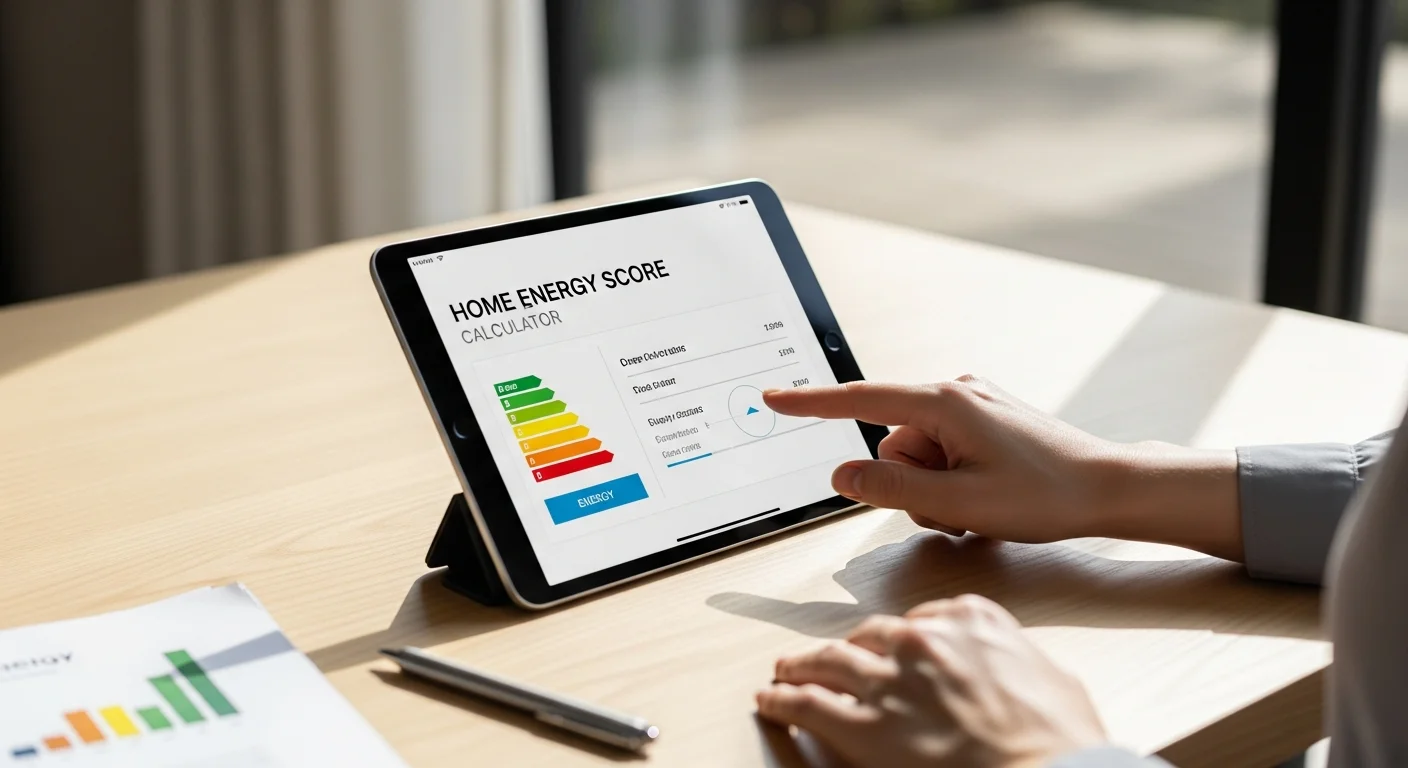
Home Energy Score Calculator
Buy NowIdentifying Energy Leaks
The primary advantage of a professional assessment is the ability to pinpoint exactly where your home is losing conditioned air. According to the U.S. Department of Energy guide on home assessments, standard American homes can lose up to 30% of their heating and cooling through air leaks.
Increasing Resale Value
In the 2026 real estate market, buyers are prioritizing low-maintenance, high-efficiency properties. Homes with a documented energy efficiency rating often sell faster and for a premium compared to unrated counterparts. This transparency provides peace of mind for buyers concerned about future utility expenses.
Enhancing Indoor Air Quality
A high score isn't just about saving money; it’s about health. Proper sealing and ventilation, often recommended during an audit, prevent allergens and pollutants from entering your living spaces, ensuring your family breathes cleaner air year-round.
Transitioning Toward Passive House Design Principles
Thermal Enclosure and Airtightness
A passive house focuses on a continuous thermal bridge-free insulation layer. This approach creates a protective envelope around the home, keeping warmth inside during the winter and heat out during the summer. By minimizing gaps, you reduce the load on your mechanical systems.
High-Performance Windows and Doors
Triple-pane windows and insulated frames are cornerstones of high-performance design. Research from the Passive House Institute US suggests that high-quality glazing can eliminate the "cold spot" near windows, drastically improving comfort in the Winter 2026 season.
Balanced Ventilation with Heat Recovery
Unlike traditional homes that rely on leaky walls for "fresh air," advanced designs use Energy Recovery Ventilators (ERVs). These systems exhaust stale air while capturing the heat to pre-warm the incoming fresh air, maintaining a constant temperature without extra energy use.
Ready to lower your carbon footprint? Start with an expert evaluation.
Get Your Home Energy Score Now →Energy Efficiency Rating for Homes: What the Numbers Mean
The 1 to 10 Scale
The Home Energy Score uses a simple 1 to 10 scale, where a 10 represents the highest performance. Most existing homes score between a 3 and 5, leaving significant room for improvement through targeted retrofits. Understanding your baseline is the first step toward optimization.
Customized Recommendation Reports
When you receive an energy efficiency rating for homes, you also get a customized list of recommended improvements. This report ranks upgrades by their cost-effectiveness, helping you choose the projects that offer the fastest return on investment.
| Upgrade Type | Potential Savings | Impact on Score |
|---|---|---|
| Attic Insulation | 15% - 20% | +2 Points |
| Duct Sealing | 10% - 15% | +1 Point |
| Heat Pump HVAC | 25% - 40% | +3 Points |
How to Improve Home Energy Score with Smart Upgrades
Prioritizing the Building Envelope
Before investing in expensive solar panels, focus on the envelope. Adding wall insulation and using spray foam to seal plumbing penetrations are cost-effective ways to increase your rating. These methods align with the passive house methodology of building right before building big.
Upgrading to High-Efficiency HVAC
If your furnace or AC is over 15 years old, it is likely dragging down your score. Modern variable-speed heat pumps provide both heating and cooling at a fraction of the energy cost. According to ENERGY STAR HVAC guidelines, these units are the most efficient option for mild climates like Orange County.
Sustainable Home Design Trends for Winter 2026
Smart Glass and Dynamic Shading
In 2026, we are seeing a massive adoption of windows that automatically tint based on the sun's intensity. This technology helps maintain a stable internal temperature without relying on air conditioning, a key strategy for any high-performance passive house design.
Integrated Home Energy Management Systems
Artificial Intelligence is now being used to manage energy loads. These systems can predict weather patterns and pre-cool your home using low-cost overnight energy, ensuring you stay comfortable through the winter while keeping costs at an absolute minimum.
Lower Utility Bills 2026: Financial Incentives and ROI
Federal Tax Credits and State Rebates
The 2026 tax year continues to offer significant incentives for energy efficiency. Homeowners can claim credits for insulation, windows, and high-efficiency appliances, often covering 30% or more of the project cost. These incentives make the passive house dream more accessible than ever.
The Long-Term ROI of Efficiency
While the upfront cost of upgrades can be daunting, the return on investment is undeniable. Between lower monthly bills and the added home equity, most efficiency projects pay for themselves within 5 to 7 years. Data from the Lawrence Berkeley National Laboratory highlights that energy-efficient homes are also less likely to default on mortgages.
Stop guessing about your energy costs. Get the facts today.
Access the Savings Calculator →Frequently Asked Questions
What is a good Home Energy Score in 2026?
A score of 7 or higher is considered excellent and indicates a home that is significantly more efficient than the average property. In 2026, many new constructions are aiming for an 8 or 9 by default.
How long does a home energy audit take?
A typical professional assessment for a standard single-family home takes between 2 to 4 hours. This includes a walkthrough, blower door test, and thermal imaging to identify hidden leaks.
Does my Home Energy Score affect my property taxes?
Generally, improving your energy score does not directly increase your property taxes in Orange County. However, it can provide you with exemptions or specialized financing through green energy programs.
Can I use a calculator for a DIY energy assessment?
Yes, using an online Home Energy Score calculator is a great first step. It helps you understand where you currently stand and provides immediate insights into potential savings before you hire a professional.
Will energy efficiency upgrades really lower my bills in 2026?
Absolutely. With rising energy costs in 2026, even minor improvements like duct sealing and LED lighting can lead to double-digit percentage drops in your monthly utility expenses.
Conclusion
Achieving a high-performance home is a journey that starts with accurate data. By focusing on your energy efficiency rating for homes, you can make informed decisions that benefit both your wallet and the environment. As we look toward the future of sustainable living, the principles of a passive house are becoming the standard for modern Orange County living.
Now is the perfect time to evaluate your property's performance. With the financial incentives available in Winter 2026 and the long-term savings on utility bills, there has never been a more opportune moment to invest in your home's efficiency. Take the first step today by calculating your score and identifying the path to a more comfortable, sustainable future.
About the Author

Written by William Corcoran, Orange County Home Savings Expert
William Corcoran has helped Orange County families save money on their homes for over 15 years. Specializing in property tax reduction and smart refinancing, he offers expert guidance you can trust. www.energybot.com www.energystar.gov
Related Articles
Ready to Find Your Savings?
Get a free personalized report showing all rebates and incentives your home qualifies for.
Get My Free Report