Ductless AC Price Guide: Understanding Your Investment in Energy-Efficient Cooling for 2026
Key Takeaways
- Ductless systems offer precise temperature control for individual rooms without energy loss from ductwork.
- The average price for a single zone unit is lower than multi-zone configurations but varies by brand.
- New federal and state rebates in 2026 significantly reduce the upfront investment for heat pumps.
- Professional installation ensures your system meets warranty requirements and operates at peak efficiency.
As we navigate the Winter 2026 season, many homeowners are re-evaluating their home comfort systems to combat rising utility rates. Determining the mini split installation cost is the first step toward a more sustainable and affordable home environment. These ductless solutions have become the gold standard for modern HVAC retrofits due to their versatility and high SEER2 ratings.
Whether you are looking to cool a new home addition or replace an aging central furnace, understanding the nuances of professional installation is critical. In this guide, we will break down the components of pricing for the latest 2026 models and show you how to find the best value for your specific home layout. By the end of this article, you will have a clear picture of how these systems fit into your home improvement budget.
Factors Influencing Ductless AC Unit Price
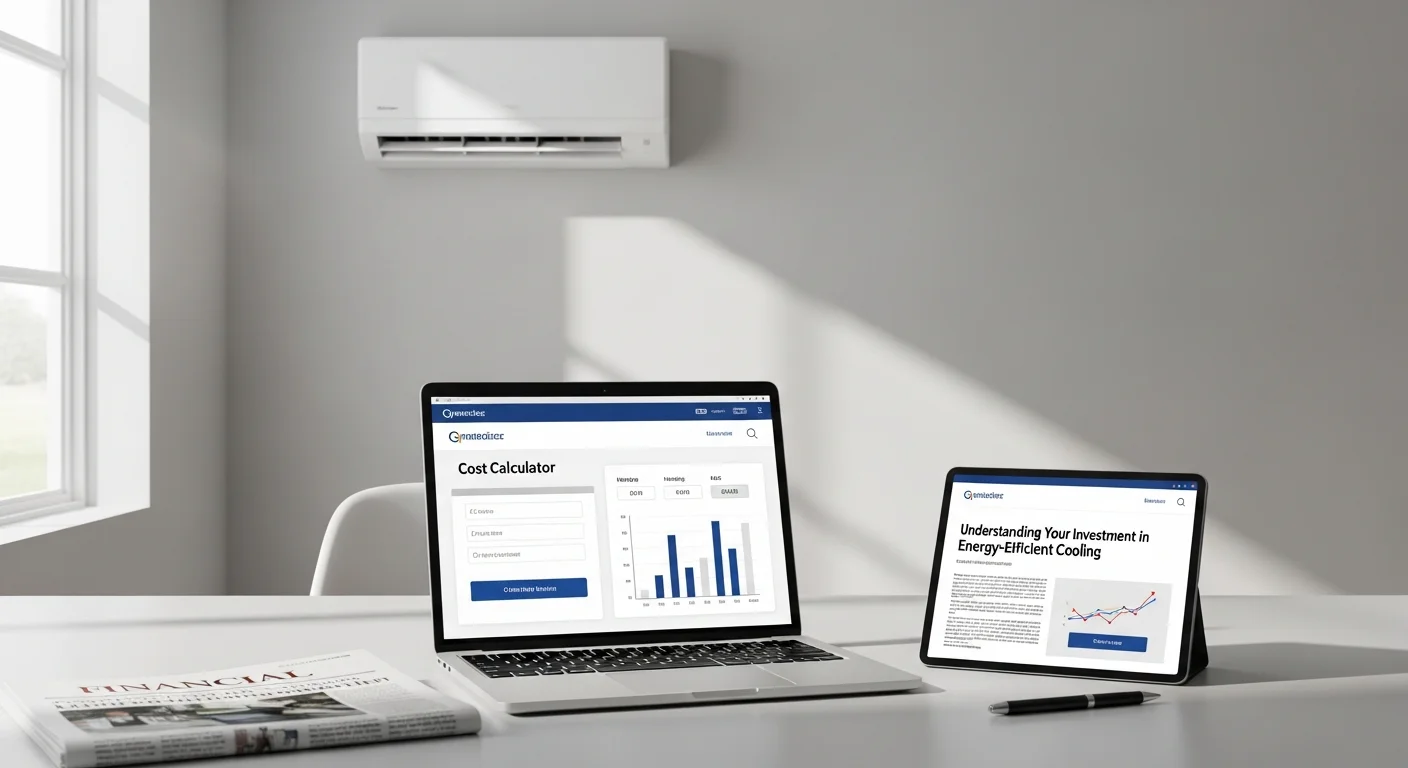
AC & Heating Cost Calculator
Buy NowSystem Capacity and BTU Requirements
The size of the unit, measured in British Thermal Units (BTUs), is the primary driver of equipment expense. A unit designed for a 400-square-foot bedroom will cost significantly less than a high-capacity system meant for a large open-concept living area. Choosing the right size is essential to prevent short-cycling and premature wear.
Efficiency Ratings (SEER2 and HSPF2)
In 2026, efficiency standards have reached new heights. Systems with higher SEER2 ratings often come with a higher initial price tag but offer substantial monthly savings on electricity. According to the U.S. Department of Energy, ductless models can reduce cooling costs by up to 30% compared to traditional forced-air systems.
Number of Indoor Zones
Multi-zone systems allow you to connect multiple indoor air handlers to a single outdoor condenser. While this adds complexity to the installation, it provides the ultimate flexibility in climate control for different members of the household. Each additional head unit adds to both the hardware and labor components of the project.
Current Mini Split Installation Cost Breakdown for 2026
When budgeting for your project, you must account for more than just the equipment. The mini split installation cost typically includes electrical upgrades, refrigerant line sets, and specialized labor. For a standard single-zone installation in 2026, homeowners can expect a range that reflects the complexity of the wall mounting and the distance from the outdoor unit.
Want to see how much you could save with a 2026 upgrade?
Use Our Savings Calculator →Labor and Professional Expertise
HVAC technicians must be EPA-certified to handle refrigerants. Professional labor ensures that the system is vacuumed correctly and tested for leaks, which is vital for the longevity of the compressor. Quality workmanship in 2026 ensures your system remains under manufacturer warranty for the full 10 to 12-year term.
Electrical and Permitting Fees
Most ductless units require a dedicated 220V circuit. If your current electrical panel is at capacity, an upgrade may be necessary. Furthermore, local building permits are required in most jurisdictions to ensure the outdoor unit meets noise ordinances and setback requirements. These administrative costs are often bundled into your contractor's quote.
Comparing Mini Split vs Central Air Cost Efficiency
While the initial mini split installation cost may seem higher per ton of cooling than central air, the operational savings tell a different story. Ductwork in a typical home can lose up to 25% of energy through leaks and lack of insulation. By eliminating ducts, you ensure every watt of energy paid for is delivered directly into your living space.
| System Type | Efficiency (SEER2) | Zoning Capability |
|---|---|---|
| Ductless Mini Split | Up to 30+ SEER2 | Room-by-room control |
| Central Air Conditioner | 14 to 22 SEER2 | Whole-house (Single zone) |
| Window Unit | ~10-12 CEER | Single room only |
Reduced Maintenance Costs
Ductless systems require less intensive maintenance than central units. There are no ducts to clean and no massive filters to replace deep within an attic or crawlspace. Homeowners simply need to wash the reusable filters in the indoor heads once a month to maintain airflow.
Maximizing Heat Pump Installation Savings and Rebates
The fiscal landscape for HVAC in 2026 is very favorable for those choosing heat pumps. According to the Energy Star Program, tax credits for high-efficiency heat pumps can offset thousands of dollars from the total project cost. Many local utility companies also provide instant rebates at the point of sale.
Ready for an upgrade? Get an instant HVAC estimate today.
Calculate Your Savings →Federal Tax Credits for 2026
The 25C tax credit remains a powerful tool for homeowners. By installing a qualifying mini split system, you may be eligible for a credit up to 30% of the project cost, capped at $2,000 annually. This makes the net investment significantly more attractive for families looking to upgrade this winter.
State-Level Incentive Programs
Many states have introduced additional funding to promote electrification. These programs often target low-to-moderate income households, providing substantial grants that can cover a large portion of the equipment price. Checking with your local energy department is the best way to ensure you are not leaving money on the table.
Long-Term Benefits of Ductless Heating and Cooling
Beyond the financial considerations, ductless systems provide a superior living experience. Inverter technology allows the compressor to vary its speed, maintaining a steady temperature without the loud on-off cycling common in older units. This leads to quieter operation and improved humidity control during humid California summers.
Improved Indoor Air Quality
Ducts are notorious for harboring dust, allergens, and mold. By bypassing them, you are breathing air that has been filtered directly at the unit. Many 2026 models feature multi-stage filtration and even UV-C light technology to neutralize airborne pathogens, providing a healthier environment for your family.
Flexible Design and Installation
Modern indoor units are sleek and unobtrusive. Options range from wall-mounted units to floor consoles and ceiling cassettes that disappear into the architecture. This flexibility allows for a tailored installation that matches your home's aesthetic while providing targeted comfort where you need it most.
Using an HVAC Replacement Cost Calculator for Accuracy
Because every home is unique, generalized quotes can often be misleading. Factors like the age of your home, the quality of your insulation, and local labor rates all play a role in the final mini split installation cost. Utilizing a specialized tool can help you plan your budget with confidence.
Calculate your specific installation costs and potential energy savings.
Access the Calculator Now →Getting Multiple Competitive Quotes
Once you have an estimate from a calculator, it is wise to speak with local experts. Professional contractors in Orange County can provide detailed site surveys to identify the best placement for indoor and outdoor units. Comparing at least three quotes allows you to evaluate both price and the level of service offered.
Frequently Asked Questions
How long does it take to install a mini split?
For a single-zone system, a professional team can usually complete the installation in 4 to 6 hours. Multi-zone systems or complex routing of refrigerant lines may require 1 to 2 full days of labor to ensure everything is sealed and tested correctly.
Can I install a ductless AC unit myself?
While DIY kits exist, they often void the manufacturer warranty if not signed off by a licensed professional. Additionally, handling refrigerants and high-voltage electrical lines requires specific certifications and tools that most homeowners do not possess.
Will a mini split add value to my home?
Yes, adding energy-efficient climate control is a significant selling point in 2026. Buyers prioritize homes with lower operational costs and modern amenities like zoned temperature control, often resulting in a high return on investment at the time of sale.
What is the lifespan of a ductless system?
With regular maintenance and professional installation, a high-quality ductless system should last between 15 and 20 years. This longevity exceeds that of many traditional central air units, which often struggle after the 12 to 15-year mark.
Are mini splits efficient for heating in the winter?
Modern hyper-heat technology allows ductless systems to operate efficiently even in freezing temperatures. In Winter 2026, many models provide 100% heating capacity down to 5°F, making them a viable primary heat source for most climates.
In summary, the mini split installation cost is an investment that pays dividends through lower monthly bills and enhanced comfort. By leveraging the latest 2026 technology and available rebates, you can modernize your home while staying within your financial goals. Professional guidance is the key to ensuring your new system performs at its peak for decades to come.
If you are ready to take the next step, our tools are designed to help you make an informed decision. By calculating your potential savings and understanding the current market rates, you can move forward with confidence in your home's energy future. Start your journey toward a more comfortable and efficient home today.
About the Author

Written by William Corcoran, Orange County Home Savings Expert
William Corcoran has helped Orange County families save money on their homes for over 15 years. Specializing in property tax reduction and smart refinancing, he offers expert guidance you can trust. www.energybot.com www.energystar.gov
Related Articles

Ready to Find Your Savings?
Get a free personalized report showing all rebates and incentives your home qualifies for.
Get My Free Report