Home Energy Efficiency Tips: Maximize Savings with Residential Solar Power in 2026
Key Takeaways
- A high home energy score significantly increases property resale value in 2026.
- Federal tax credits for solar installations remain a primary driver for investment returns.
- Combining solar panels with smart home energy management provides the highest ROI.
- Regular energy audits identify hidden leaks that undermine renewable energy gains.
As we navigate the Winter 2026 season, homeowners across Orange County are increasingly concerned with rising utility costs and environmental impact. Implementing a home solar power system has transitioned from a luxury addition to a strategic financial investment for the modern household. With energy prices fluctuating, understanding how to harness the sun's energy while maintaining an efficient building envelope is crucial for long-term sustainability.
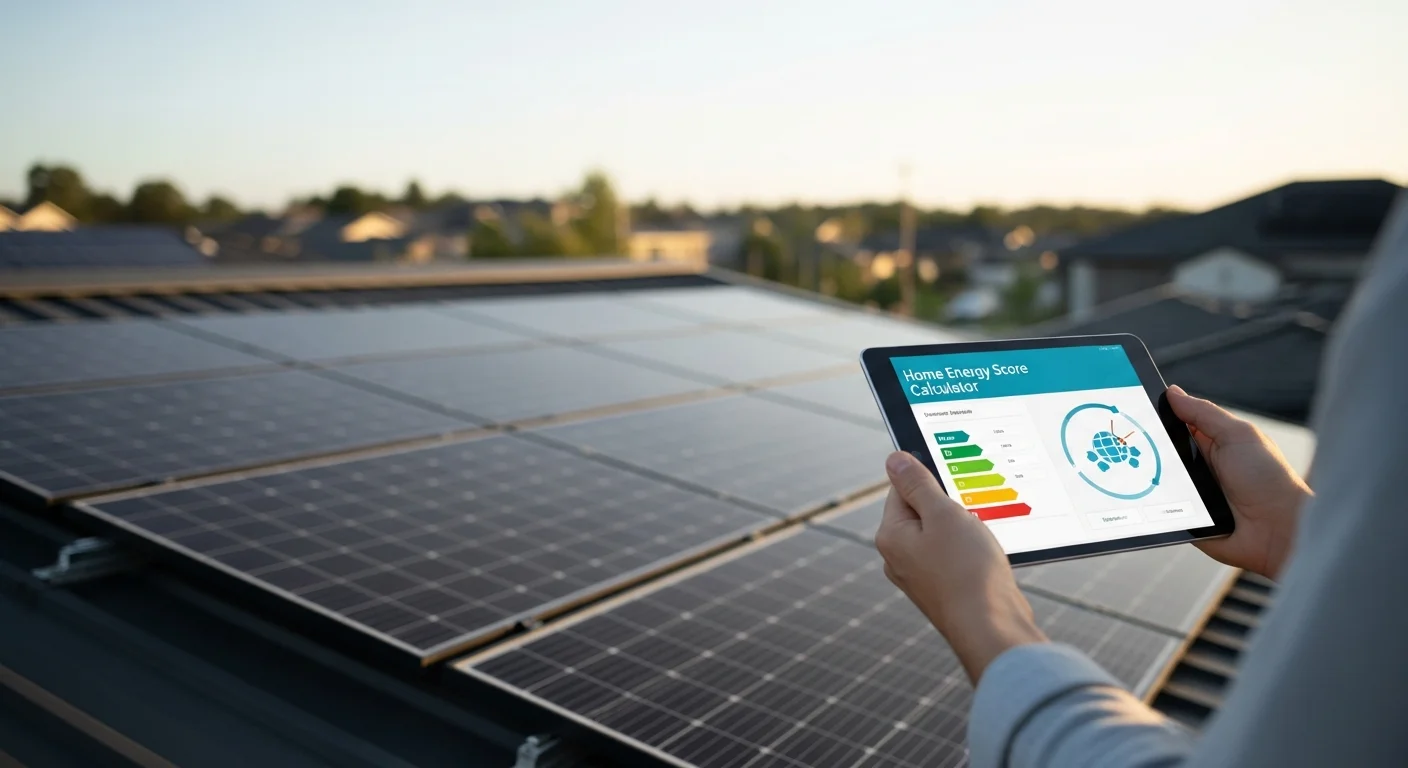
Before investing in hardware, it is essential to establish a baseline for your property. A comprehensive energy audit helps identify where your home loses heat in the winter and stays cool in the summer. By using the latest tools to determine your efficiency rating, you can prioritize upgrades that offer the quickest payback period and the most significant comfort improvements.
Want to see your home's current efficiency rating?
Calculate Your Score Now →Understanding Your 2026 Home Energy Score
Home Energy Score Calculator
Buy NowThe Impact of Energy Ratings on Resale
In the current real estate market, buyers are prioritizing low operational costs. According to U.S. Department of Energy assessments, homes with documented high-efficiency ratings sell faster and at a premium. A high score proves that the property is built or upgraded to modern standards, reducing the risk of unexpected utility spikes for new owners.
How the Score is Calculated
The score accounts for your home's structure, heating and cooling systems, and integrated renewable technologies. It provides a standardized 1-to-10 rating, where a higher number indicates better performance. This data-driven approach removes the guesswork from home improvements, allowing you to target specific areas like attic insulation or window sealing.
Benefits of a Home Solar Power System
Energy Independence and Security
By generating your own electricity, you insulate your household from the volatility of the traditional energy grid. In Winter 2026, many homeowners are opting for hybrid systems that include battery storage. This ensures that even during grid interruptions, your essential appliances remain functional while reducing your reliance on fossil fuels.
Long-term Environmental Stewardship
Transitioning to solar significantly reduces your carbon footprint. Data from the Solar Energy Industries Association (SEIA) suggests that residential systems are a leading contributor to clean energy goals. For homeowners in California, this move aligns with state-wide initiatives to achieve carbon neutrality in the coming decades.
Solar Panel Cost vs Savings Analysis
When evaluating a home solar power system, it is vital to look beyond the initial price tag. The real value lies in the levelized cost of energy (LCOE) over 25 years compared to projected utility rate hikes. Most modern systems pay for themselves within 6 to 9 years, depending on sunlight exposure and local net metering policies.
| Economic Factor | 2026 Expectation |
|---|---|
| Average Payback Period | 7.2 Years |
| Federal Tax Credit (ITC) | 30% of Total Cost |
| Home Value Increase | Approximately 4.1% |
| System Lifespan | 25-30 Years |
Ready to lower your bills? Start with an efficiency score.
Get My Free Energy Quote →Winter 2026 Efficiency Upgrades
Thermal Envelope Sealing
Before expanding your energy production, focus on conservation. Sealing air leaks around windows, doors, and plumbing penetrations can reduce heating needs by up to 15%. This ensures that the clean energy generated by your solar panels isn't wasted on heating the neighborhood.
Smart Climate Integration
Modern HVAC systems in 2026 are more efficient when paired with artificial intelligence. Smart thermostats can learn your schedule and optimize energy consumption during peak production hours. This synergy between consumption and production maximizes your home solar power system efficiency.
Navigating 2026 Solar Incentives
The Federal Investment Tax Credit
The Investment Tax Credit (ITC) remains one of the most powerful tools for homeowners. As specified by the EPA's guide to solar incentives, you can deduct a significant portion of your installation costs from your federal taxes. This drastically reduces the net cost of going solar in 2026.
Local Orange County Programs
Many local utilities offer additional rebates for battery storage and energy-efficient appliances. Combining these with a solar installation creates a multi-layered approach to savings. Check with your local provider for "Bring Your Own Device" (BYOD) battery programs that pay you for supporting grid stability.
Strategies to Improve Home Energy Ratings
High-Performance Window Replacements
Windows are often the weakest link in a home's insulation. Moving to triple-pane glass or Low-E coatings can dramatically improve your home energy score. This upgrade works in tandem with renewable energy systems by reducing the total load required to maintain a comfortable internal temperature.
Ductwork Optimization
Leaky ducts can waste up to 20% of the air moving through your HVAC system. Professional sealing and insulation of ductwork in unconditioned spaces like attics or crawlspaces is a high-impact, low-cost way to boost your efficiency rating. When your home is tight, a home solar power system can easily cover the remaining energy demands.
Expert help is just a click away.
Schedule Your Energy Audit →Frequently Asked Questions
How long does it take for a home solar power system to pay for itself?
Most homeowners see a full return on investment within 6 to 9 years. Factors such as local electricity rates, the amount of sunlight your roof receives, and available 2026 tax incentives will influence your specific timeline.
Does a home energy score really affect property value?
Yes, data from real estate associations indicates that homes with high energy scores sell for approximately 3-5% more than similar, non-rated homes. Modern buyers view efficiency as a premium feature that lowers future ownership costs.
Can I install solar panels if my roof is old?
It is generally recommended to replace or repair any roof that has less than 10-15 years of life remaining before installing solar. Since the panels last 25+ years, syncing the installation with a fresh roof avoids the cost of removing and reinstalling panels later.
What is the difference between an energy audit and an energy score?
An energy audit is a deep dive into your home's performance with specific repair recommendations, while an energy score is a standardized rating used for comparisons. Most professional services provide both to help you track progress.
Are there still federal solar tax credits in 2026?
Yes, under current legislation, the 30% Investment Tax Credit (ITC) is available through 2032. This allows you to claim 30% of the total system cost as a credit on your federal income taxes.
Conclusion
Investing in a home solar power system is one of the most impactful decisions you can make for your property in 2026. By starting with a professional home energy score, you ensure that every dollar spent on renewable technology is supported by a structure that is efficient, comfortable, and sustainable. This holistic approach not only protects you from rising energy costs but also contributes to a cleaner future for the entire community.
As we move further into the 2020s, the integration of energy efficiency and production will become the standard for every modern home. Take the first step today by evaluating your home's current performance and discovering the hidden savings potential waiting in your attic, windows, and roof. With the right strategy, your home can become a high-performing asset that pays dividends for decades to come.
About the Author

Written by William Corcoran, Orange County Home Savings Expert
William Corcoran has helped Orange County families save money on their homes for over 15 years. Specializing in property tax reduction and smart refinancing, he offers expert guidance you can trust. www.energybot.com www.energystar.gov
Related Articles

Ready to Find Your Savings?
Get a free personalized report showing all rebates and incentives your home qualifies for.
Get My Free Report