Home Insurance Calculator: How to Compare Rates and Find Maximum Savings

Key Takeaways
- Home insurance calculators provide instant estimates for budgeting and rate comparison
- Understanding replacement cost is more critical than market value for accurate coverage
- Bundling policies and increasing deductibles are proven ways to lower monthly premiums
- Regularly comparing rates ensures you are not overpaying as market conditions change
Navigating the world of property protection can be overwhelming, especially when premiums seem to rise every year. A home insurance calculator is an essential tool for any homeowner looking to take control of their finances and ensure their most valuable asset is properly protected without overpaying.
According to the Insurance Information Institute, home insurance rates are influenced by reconstruction costs, local crime rates, and the likelihood of natural disasters. By using a specialized tool, you can input your specific data to see how these factors influence your unique premium profile.
Want to see how much you could save on your policy?
Try Our Free Calculator →Why Use a Home Insurance Calculator for Savings
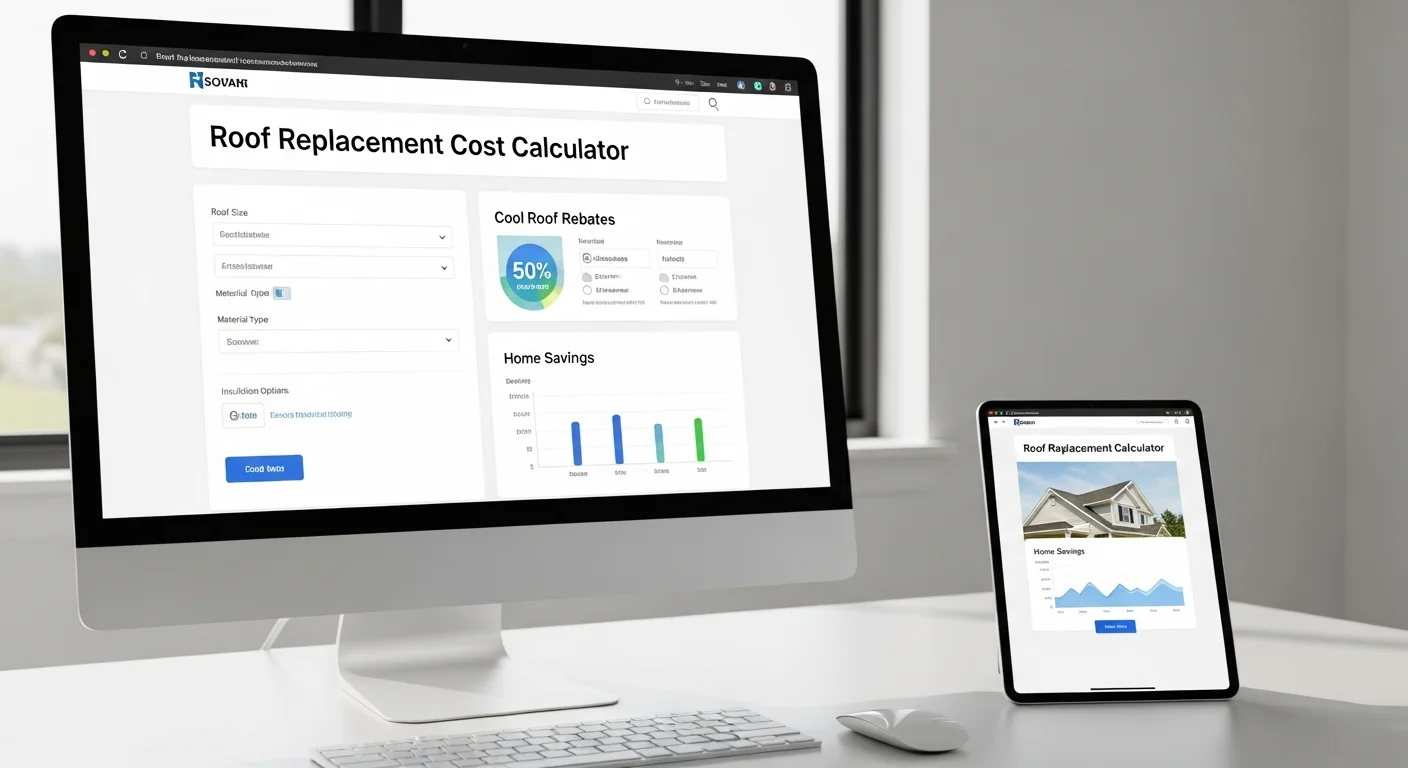
Home Insurance Calculator
Buy NowInstant Financial Clarity
The primary reason to use the best home insurance calculator for savings is the immediate feedback it provides. Instead of waiting days for a callback from an agent, you can see how adjusting your coverage limits impacts your annual cost in real-time.
Unbiased Market Comparison
Calculators allow you to compare home insurance rates across different scenarios. This transparency ensures you aren't tied to a single provider's pricing model, allowing you to see what the broader market has to offer for your specific ZIP code.
How to Calculate Homeowners Insurance Cost Accurately
Replacement Cost vs. Market Value
When you calculate homeowners insurance cost, you must focus on the replacement cost—the amount it would take to rebuild your home from scratch. As noted by NAIC, this is often different from the real estate market value, which includes the land.
Determining Personal Property Limits
Your personal belongings like furniture, electronics, and clothing need coverage too. Most calculators default to 50-70% of your dwelling coverage, but you should adjust this based on an actual inventory of your high-value items.
Comparing Home Insurance Rates: What to Look For
Deductible Impact on Premiums
One of the fastest ways to how to lower home insurance premiums is by increasing your deductible. Moving from a $500 deductible to a $2,500 deductible can often reduce your premium by up to 25%, depending on the carrier.
Coverage Exclusions and Riders
Standard policies don't cover everything. According to data from FEMA, flood damage is rarely covered by standard home insurance and requires a separate policy or rider, which a good calculator will help you account for.
Stop overpaying for your home insurance today.
Compare Your Rates Now →Top Home Insurance Savings Tips for Homeowners
The Power of Bundling
Combining your home and auto insurance with the same carrier is one of the most effective home insurance savings tips. Most companies offer a multi-policy discount that can range from 5% to 15% off each premium.
Home Security and Safety Upgrades
Installing a monitored security system, smoke detectors, and deadbolt locks can lower your risk profile. Insurance companies reward these safety measures with lower rates because they decrease the likelihood of a major claim.
| Action Item | Estimated Savings |
|---|---|
| Bundle Home & Auto | 10% - 20% |
| Increase Deductible to $1000+ | 15% - 25% |
| Install Security System | 2% - 5% |
| Loyalty Discount (3+ Years) | 3% - 5% |
Home Insurance for First Time Buyers: A Guide
Understanding Escrow and PITI
When buying your first home, your insurance is usually paid through an escrow account. This means your monthly mortgage payment includes Principal, Interest, Taxes, and Insurance (PITI). Knowing how to use a home insurance for first time buyers tool helps you estimate these costs before you close.
CLUE Reports and House History
According to the Consumer Financial Protection Bureau (CFPB), the claims history of the house you are buying—not just your own personal history—can affect your rates. Ask for a Comprehensive Loss Underwriting Exchange (CLUE) report during the inspection period.
Benefits of Using a Home Insurance Calculator Regularly
Adapting to Inflation
Construction costs change rapidly. One of the major benefits of using a home insurance calculator is ensuring your dwelling coverage keeps pace with local building costs so you aren't under-insured in the event of a total loss.
Refinance Opportunities
If you are considering a refinance, lenders will require proof of insurance. Using a home insurance calculator for refinance allows you to optimize your coverage during the transition, potentially lowering your overall closing costs and monthly obligation.
Ready to find the best policy for your home?
Get Your Instant Quote →Frequently Asked Questions
How accurate is a home insurance calculator?
A home insurance calculator provides a very close estimate based on regional averages and the data you provide. However, an actual quote will include a deeper look at your credit score and the specific claims history of the property.
Does my credit score affect home insurance rates?
In most states, insurance companies use a credit-based insurance score to help determine premiums. Statistics show that individuals with higher credit scores tend to have fewer claims, leading to lower rates.
Can I change my home insurance at any time?
Yes, you do not have to wait until your policy renewal date to switch providers. If you find a better rate using a calculator, you can cancel your old policy and receive a pro-rated refund for the unused premium.
What is the average home insurance cost in California?
The average cost in California varies significantly by region but typically ranges from $1,200 to $2,500 per year. Areas with higher wildfire risks or expensive construction costs will naturally see higher premiums.
What does a standard homeowners policy cover?
A standard HO-3 policy typically covers your dwelling, other structures (like fences), personal property, liability, and additional living expenses if your home becomes uninhabitable due to a covered peril.
Conclusion
Taking the time to understand your coverage options and utilizing a home insurance calculator is a smart financial move. Whether you are a first-time buyer or a long-term homeowner, the insurance market is constantly shifting, and what was a great deal three years ago might now be overpriced.
By focusing on replacement costs, exploring discounts for bundling, and staying informed about local risk factors, you can secure the protection your family needs at a price that fits your budget. Don't leave your financial security to chance—take an active role in managing your policy today.
About the Author

Written by William Corcoran, Orange County Home Savings Expert
William Corcoran has helped Orange County families save money on their homes for over 15 years. Specializing in property tax reduction and smart refinancing, he offers expert guidance you can trust. www.energybot.com www.energystar.gov
Related Articles

Ready to Find Your Savings?
Get a free personalized report showing all rebates and incentives your home qualifies for.
Get My Free Report