Maximizing Your Savings: A Guide to Orange County Electric Vehicle Incentives and 2026 Clean Energy Credits
Key Takeaways
- Federal incentives for 2026 continue to offer significant savings for clean vehicle buyers
- Orange County residents may qualify for additional local utility and state-level rebates
- Income limits and vehicle price caps remain critical factors for eligibility this year
- Homeowners can stack vehicle credits with residential energy efficiency improvements
- A personalized report is the fastest way to identify all available local savings
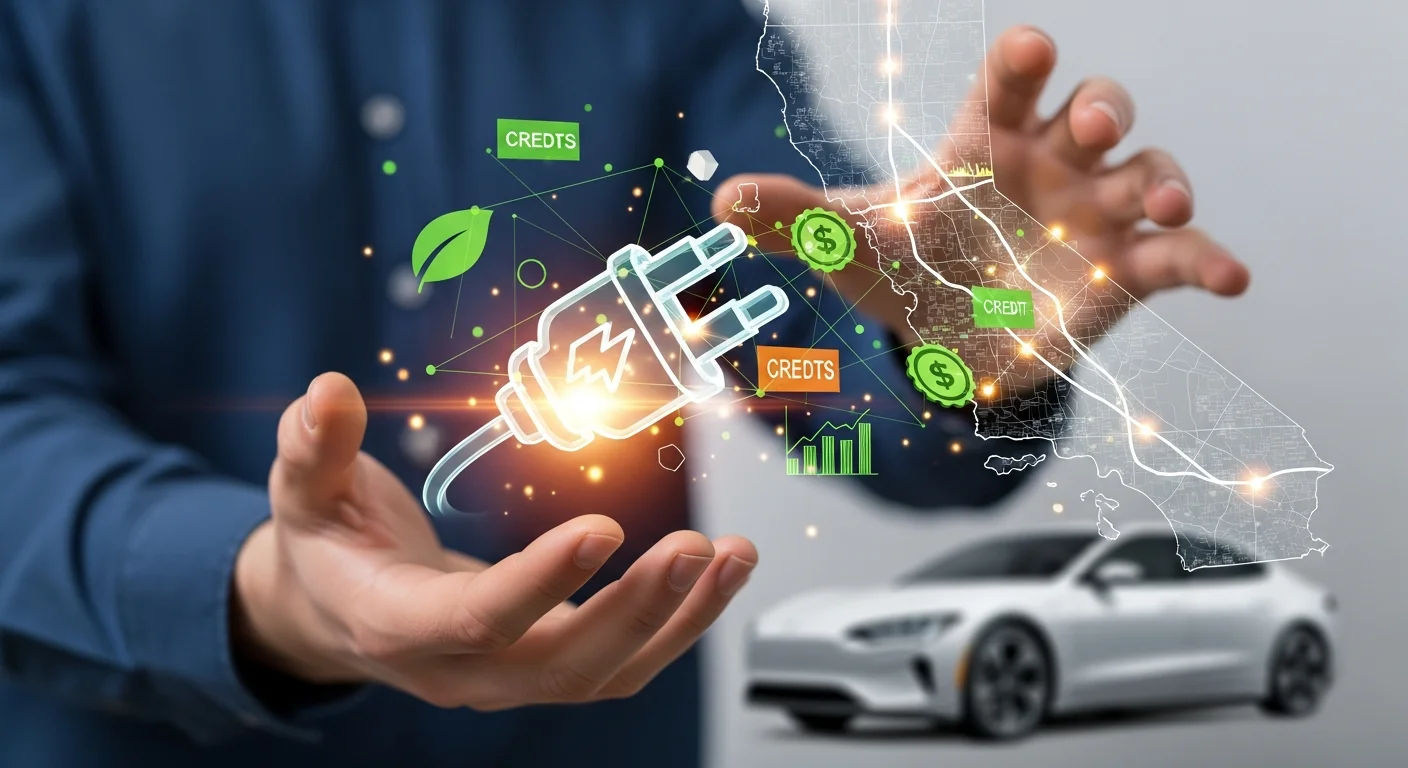
As we navigate through the Winter 2026 season, Orange County homeowners are finding more opportunities than ever to transition to sustainable living. One of the most powerful financial tools available to residents is the ev tax credit, which provides a substantial reduction in the total cost of ownership for eligible clean vehicles. By combining federal support with local California programs, savvy buyers can potentially save thousands of dollars upfront.
Navigating the landscape of 2026 clean energy credits requires a clear understanding of current regulations and local availability. According to the Internal Revenue Service official guidance, several changes have been implemented to ensure these benefits are accessible to a wider range of taxpayers while encouraging domestic manufacturing.
Want to see exactly what you qualify for?
Get Your Free Home Incentive Report →Federal Clean Vehicle Incentives for 2026
Free Home Rebate & Incentive Report
Buy NowNew Vehicle Purchase Benefits
In 2026, the federal government continues to incentivize the purchase of new electric and plug-in hybrid vehicles. Buyers can receive up to $7,500 toward the purchase of a qualifying new clean vehicle. It is essential to verify that the specific make and model meets the current battery component and critical mineral requirements established by the Department of Energy.
Used Vehicle Marketplace Savings
For those looking at the secondary market, the used clean vehicle credit offers up to $4,000 or 30% of the sale price, whichever is lower. This program has become a cornerstone for making sustainable transportation affordable for more Orange County families. Ensure the vehicle is purchased from a licensed dealer to remain eligible for this benefit.
Understanding the 2026 Federal EV Tax Credit
Income and Price Limitations
To qualify for the ev tax credit in 2026, taxpayers must fall within specific modified adjusted gross income (MAGI) thresholds. For new vehicles, the limits are typically set at $300,000 for married couples filing jointly and $150,000 for single filers. Additionally, the Manufacturer’s Suggested Retail Price (MSRP) must not exceed $80,000 for SUVs and vans, or $55,000 for sedans.
Point-of-Sale Transfer Options
One of the most significant improvements for 2026 is the streamlined point-of-sale credit transfer. Instead of waiting until tax season, buyers can transfer their credit directly to the dealer to reduce the purchase price of the vehicle at the time of sale. This makes the financial benefit immediate, significantly lowering monthly financing costs for OC residents.
California State Rebates and Local Programs
Statewide Clean Vehicle Programs
California remains a leader in environmental policy. According to the California Air Resources Board (CARB), various programs are designed to assist lower-to-moderate income households in transitioning to zero-emission vehicles. These state-level rebates can often be combined with federal incentives for maximum impact.
Orange County Utility Incentives
Residents served by Southern California Edison (SCE) or local municipal utilities may have access to exclusive rebates. These often include bill credits for charging during off-peak hours or direct rebates for purchasing energy-efficient appliances and vehicles. These local perks are frequently updated, making a current analysis vital for homeowners.
Discover hidden local rebates for your property.
Claim Your Free Savings Report →Home Charging Station Incentives for OC Residents
Residential Alternative Fuel Infrastructure Credit
The infrastructure needed to support an electric vehicle is also incentivized. The federal government offers a tax credit for the installation of home EV charging stations. In 2026, homeowners in designated census tracts can claim a credit for 30% of the cost of hardware and installation, up to $1,000.
Local Permit and Panel Upgrade Support
Many Orange County cities have streamlined the permitting process for Level 2 home chargers. Furthermore, if your home requires an electrical panel upgrade to support the new charging load, these costs may also be eligible for separate federal tax credits under the Energy Efficient Home Improvement Credit (Section 25C). This creates a comprehensive ecosystem of savings for the modern homeowner.
Stacking Incentives with Home Improvements
| Incentive Type | Maximum 2026 Benefit |
|---|---|
| New Clean Vehicle Credit | Up to $7,500 |
| Used Clean Vehicle Credit | Up to $4,000 |
| Home EV Charger Install | 30% (up to $1,000) |
| Electrical Panel Upgrades | Up to $600 annually |
How to Access Your Local Incentive Report
With so many overlapping programs, it can be difficult to know which apply to your specific situation. Using a personalized report tailored to Orange County can save you hours of research. These reports analyze federal, state, and local utility data based on your property details and income to provide a roadmap of potential savings.
Detailed insights found in the Department of Energy's savings portal highlight how homeowners can maximize their return on investment. By taking a holistic approach to energy—combining vehicle choices with home efficiency—you can significantly lower your carbon footprint and your monthly expenses simultaneously.
Ready to optimize your 2026 home savings plan?
Generate Your Free Report Now →Frequently Asked Questions
Can I claim the EV tax credit if I lease my vehicle?
In many cases, the tax credit for a leased vehicle goes to the leasing company, not the individual. However, many dealerships pass this $7,500 savings onto the consumer in the form of lower monthly lease payments. This is often referred to as a "lease loophole" that bypasses some of the strict assembly requirements for individual buyers.
Are there income limits for used EV credits in 2026?
Yes, the income limits for used vehicles are lower than those for new vehicles. For 2026, the limits are $150,000 for joint filers, $112,500 for heads of household, and $75,000 for other filers. The vehicle must also be at least two model years old and cost $25,000 or less.
Do all electric vehicles qualify for the full $7,500?
No, the credit amount depends on specific sourcing requirements for battery components and minerals. Some vehicles may only qualify for a partial credit of $3,750, while others may not qualify at all due to their MSRP or assembly location. Always check the current list of eligible VINs before purchasing.
Can I stack the federal credit with California's Clean Cars 4 All program?
Yes, if you meet the eligibility requirements for both, you can stack them. California's local air district programs often provide additional grants for low-income residents who scrap an older, high-polluting vehicle. This can lead to massive total savings when combined with federal tax benefits.
What happens if my tax liability is lower than the credit amount?
For 2026, if you choose the point-of-sale transfer to the dealer, you can receive the full value of the credit even if your total tax liability for the year is lower. This is a major benefit over the traditional non-refundable tax credit method used in previous years.
In conclusion, staying informed about the ev tax credit and its local applications is essential for any Orange County homeowner looking to modernize their lifestyle. By leveraging the latest 2026 federal guidelines and combining them with state and local utility programs, you can make the transition to clean energy both practical and affordable.
The complexity of these programs shouldn't stop you from claiming the money you deserve. At Orange County Home Savings, we specialize in helping residents identify every available incentive for their specific property. Start your journey toward a more efficient home and vehicle today by accessing the data that matters most to your bottom line.
About the Author

Written by William Corcoran, Orange County Home Savings Expert
William Corcoran has helped Orange County families save money on their homes for over 15 years. Specializing in property tax reduction and smart refinancing, he offers expert guidance you can trust. www.energybot.com www.energystar.gov
Related Articles
Ready to Find Your Savings?
Get a free personalized report showing all rebates and incentives your home qualifies for.
Get My Free Report