Electric Vehicle Incentives 2026: The Complete Guide to California EV Rebates and Residential Charging Savings
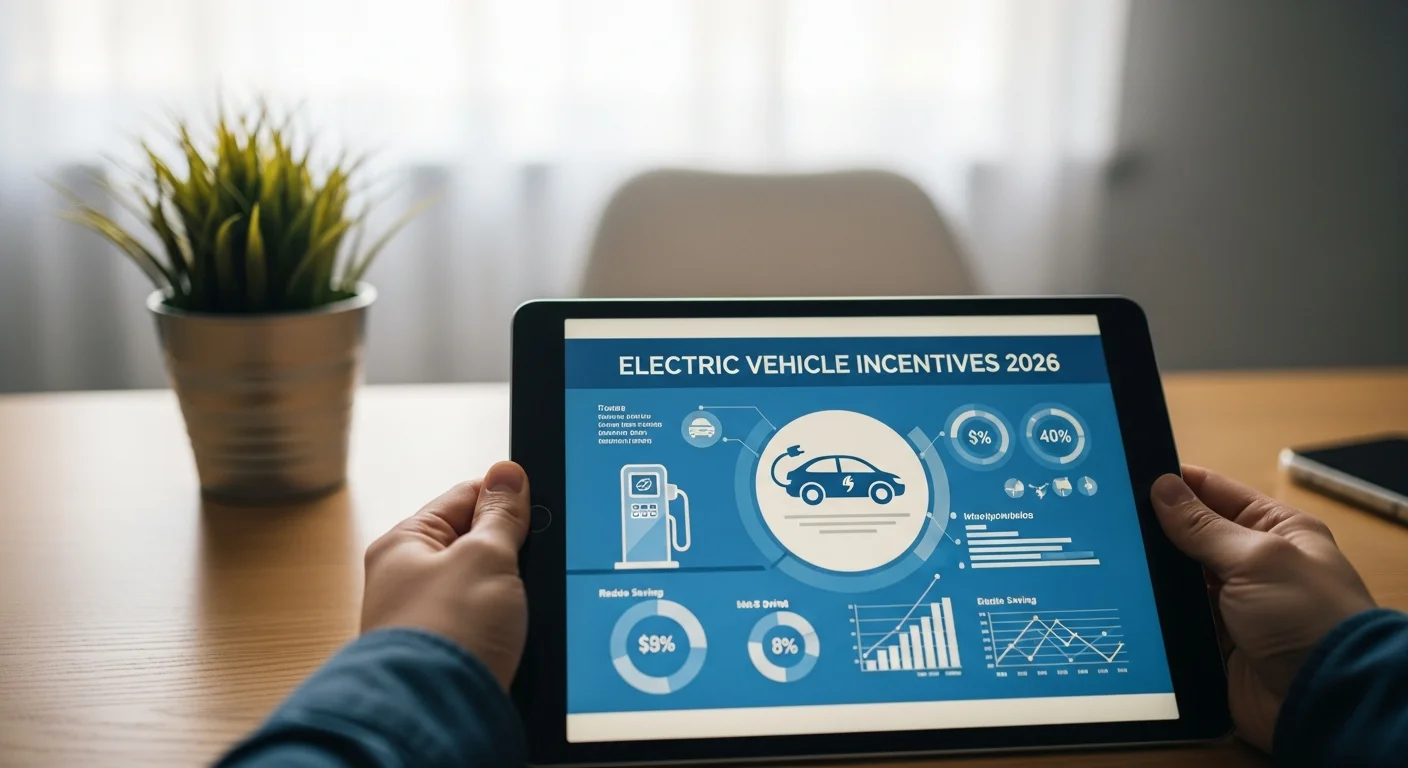
Key Takeaways
- Federal incentives in 2026 continue to provide immediate point of sale savings for qualified buyers
- California residents can stack multiple state and local utility rebates on top of federal credits
- Income-based programs offer significantly higher financial support for eligible Orange County households
- Residential charging station installations qualify for specific tax credits and utility equipment rebates
- Personalized incentive reports are essential to identify every available dollar for your specific property
As we enter Spring 2026, the landscape for sustainable transportation has never been more favorable for residents in Southern California. Navigating the available incentives for a new vehicle can be daunting, especially when trying to understand how the current ev tax credit applies to your specific financial situation. With new models hitting the showroom floors this season, staying informed on the latest policy updates is crucial for maximizing your investment.
For homeowners in Orange County, the savings extend far beyond the vehicle itself. Integrating an electric vehicle into your home ecosystem involves looking at charging infrastructure, solar compatibility, and time-of-use utility rates. This comprehensive guide outlines the primary financial drivers that make transitioning to electric mobility more affordable than ever in 2026.
Want to see every rebate you qualify for?
Get Your Free Incentive Report →Understanding Federal Clean Vehicle Incentives in 2026
Free Home Rebate & Incentive Report
Buy NowNew Vehicle Eligibility Requirements
In 2026, the federal government continues to incentivize the purchase of clean vehicles through strict but rewarding criteria. According to the Internal Revenue Service, vehicles must meet specific battery component and critical mineral sourcing requirements to qualify for the full credit amount. These rules ensure that the supply chain remains resilient and domestically focused.
Point of Sale Credit Transfers
One of the most significant advancements for the Spring 2026 season is the refinement of the point-of-sale transfer mechanism. Buyers can now seamlessly transfer their credit to the dealership to reduce the purchase price immediately. This eliminates the need to wait until tax season to realize the financial benefits of your eco-friendly choice.
California EV Rebates for Homeowners: Spring 2026 Update
The Clean Cars 4 All Program
California's commitment to air quality remains steadfast through programs like Clean Cars 4 All. According to the California Air Resources Board, lower-income residents can receive substantial grants to retire older, polluting vehicles and replace them with zero-emission alternatives.
Regional Air Quality Management Districts
In Orange County, the South Coast AQMD often provides additional localized incentives. These programs are designed to target specific geographic areas that suffer from higher pollution levels, providing an extra layer of savings for proactive homeowners who make the switch this year.
Residential EV Charger Rebates and Infrastructure Savings
Federal Alternative Fuel Infrastructure Credit
Installing a Level 2 charger at home qualifies for the federal infrastructure tax credit. This credit covers a percentage of the hardware and installation costs, making it significantly more affordable to upgrade your home's electrical panel and charging capabilities for your new 2026 model vehicle.
Utility Program Incentives in Orange County
Southern California Edison (SCE) offers various programs for residential customers. According to the Southern California Edison EV Guide, homeowners can access rebates for smart charging equipment and enroll in specialized rate plans that lower the cost of fuel significantly when charging during off-peak hours.
Is your home ready for an EV? Check your available rebates now.
Claim Your Free Report →How to Use the ev tax credit for Your Next Purchase
Income Limits and Price Caps
To qualify for the ev tax credit, buyers must stay within specific Modified Adjusted Gross Income (MAGI) thresholds. Additionally, the vehicle's Manufacturer's Suggested Retail Price (MSRP) must not exceed established limits—typically $80,000 for SUVs and vans, and $55,000 for sedans. Understanding these boundaries is the first step in your shopping journey.
Leasing vs. Buying Considerations
The rules for the ev tax credit vary between purchasing and leasing. Often, the commercial clean vehicle credit allows leasing companies to pass savings on to consumers regardless of the vehicle's manufacturing origin, providing a flexible path for those who might not qualify for the individual purchase credit.
Stacking Incentives for Maximum Orange County Home Savings
| Incentive Type | Potential Savings 2026 |
|---|---|
| Federal Clean Vehicle Credit | Up to $7,500 at Point of Sale |
| CA State Grants (Income-based) | Up to $12,000 for eligible buyers |
| Home Charger Rebate (Utility) | Up to $500 - $1,000 in equipment/install |
| Federal Charger Tax Credit | 30% of total installation costs |
Combining Local and Federal Programs
The key to maximizing your home energy savings is coordination. By stacking federal, state, and utility-level incentives, some Orange County residents have successfully offset over 40% of their total transition costs. Our personalized reports help you identify these specific layering opportunities based on your zip code and income level.
Frequently Asked Questions
What are the income limits for the 2026 clean vehicle credit?
As of 2026, the limits remain at $300,000 for joint filers, $225,000 for heads of household, and $150,000 for single filers. These figures are based on your Modified Adjusted Gross Income for either the current or the previous tax year.
Can I get the credit if I lease an electric vehicle?
Yes, leasing is often a great way to access incentives. The tax credit usually goes to the leasing company, which can then pass that value on to you through lower monthly payments, often bypassing the stricter MSRP and sourcing rules required for individual purchases.
How do I qualify for the Orange County home charger rebates?
Qualification usually requires being a customer of SCE or your local municipal utility. You often need to purchase a qualifying "smart" Level 2 charger and, in some cases, agree to participate in demand-response programs during peak grid hours.
Are used electric vehicles eligible for any incentives in 2026?
Yes, there is a federal credit for pre-owned clean vehicles. The vehicle must be at least two model years old, cost $25,000 or less, and be purchased from a licensed dealer. The maximum credit is 30% of the sale price, up to $4,000.
Do these incentives apply to plug-in hybrids (PHEVs) as well?
Many PHEVs qualify for a partial or full federal credit depending on their battery size and sourcing. California state programs also frequently include PHEVs, though the rebate amounts are typically lower than those for fully battery-electric vehicles.
Conclusion
The transition to electric mobility is more than just a vehicle purchase; it is a strategic home investment that can lead to long-term energy independence. By understanding the intricacies of the ev tax credit and local California programs, you can save thousands of dollars while contributing to a cleaner future for Orange County.
At OC Home Savings, we specialize in helping you navigate these complex programs. Our personalized reports ensure you don't leave money on the table. Whether you are looking at a new 2026 EV or upgrading your garage infrastructure this spring, the right information is your most valuable asset.
Ready for your personalized savings breakdown?
Get My Free OC Home Rebate Report →About the Author

Written by William Corcoran, Orange County Home Savings Expert
William Corcoran has helped Orange County families save money on their homes for over 15 years. Specializing in property tax reduction and smart refinancing, he offers expert guidance you can trust. www.energybot.com www.energystar.gov
Related Articles

Ready to Find Your Savings?
Get a free personalized report showing all rebates and incentives your home qualifies for.
Get My Free Report