Home Charging Station Installation Cost: A Comprehensive 2026 Guide to Savings and Rebates
Key Takeaways
- Calculate total project costs including hardware and labor for 2026 projects
- Maximize California state and federal tax credits available this winter
- Determine if your home requires a significant electrical panel upgrade
- Compare smart features across the latest 2026 equipment models
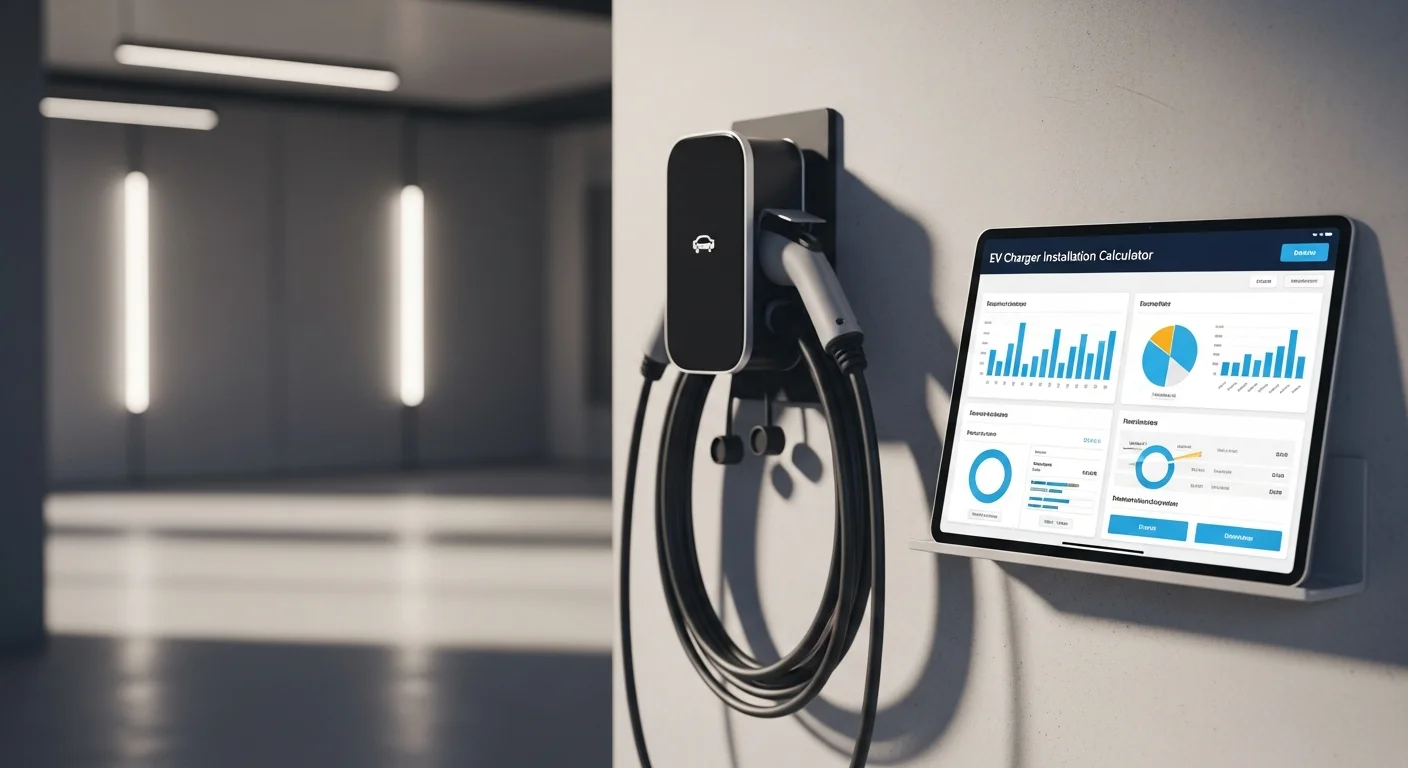
As we move deeper into Winter 2026, more California residents are transitioning to sustainable transportation than ever before. Setting up a reliable home charging system is the first step toward true energy independence and daily convenience for vehicle owners. However, the initial home charging station installation cost can vary significantly based on your property's existing infrastructure and your choice of hardware.
The market for the EV charger has evolved rapidly, with 2026 models offering faster charging speeds and integrated smart home features. According to the U.S. Department of Energy, charging at home is typically the most cost-effective way to power your vehicle, especially when combined with local off-peak utility rates. This guide will walk you through the financial landscape of residential charging installations.
Understanding Home Charging Station Installation Cost in 2026
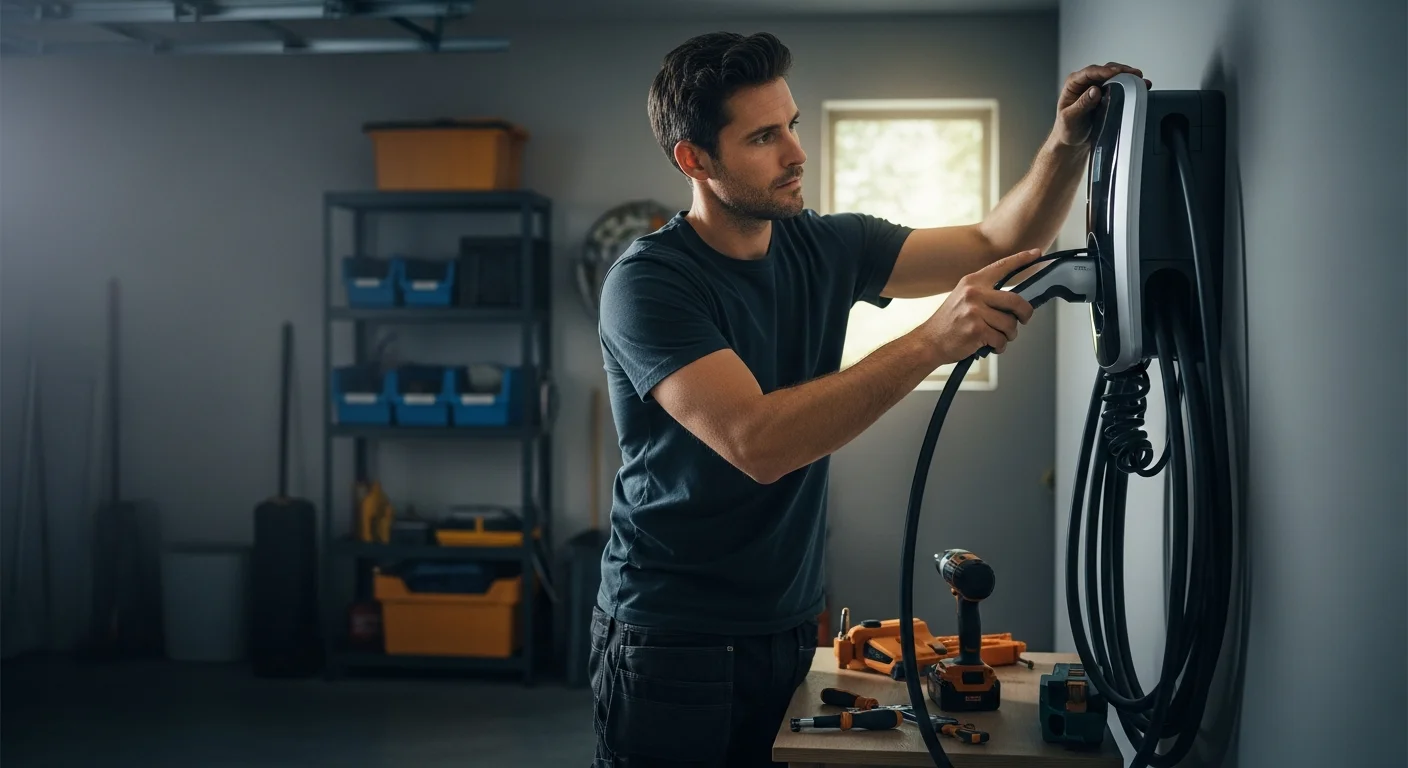
EV Charger Installation Calculator
Buy NowAverage Hardware Expenses
The price of the charging unit itself has stabilized in 2026. Most high-quality Level 2 stations range from $400 to $900, depending on cable length and connectivity features. Smart units that track energy usage and integrate with solar panels tend to sit at the higher end of this spectrum.
Labor and Electrical Variables
Labor remains the most variable factor in the total price. A standard installation within 10 feet of your electrical panel may cost between $500 and $1,200. However, if your garage is far from the main service, or if you require trenching, these costs can scale upward quickly.
Permitting and Inspections
In Orange County and across California, safety is paramount. Municipal permits and required inspections usually add $100 to $300 to your total budget. Failing to secure these can result in insurance complications or issues when selling your home later.
Navigating EV Charging Rebates in California and Federal Incentives
California continues to lead the nation in providing EV charging rebates in California for residential users. According to the California Air Resources Board, various utility programs offer instant rebates for qualifying equipment. Many of these programs in 2026 are specifically targeting multi-unit dwellings and low-income areas to ensure equitable access to clean energy.
Federal tax credits also remain a significant factor in your final investment. The Alternative Fuel Infrastructure Tax Credit can cover up to 30% of the hardware and installation costs, capped at a specific dollar amount. Combining these local and federal perks often reduces the net cost by 50% or more.
Ready to see how much you can save on your installation?
Calculate Your Savings Now →Benefits of Using an EV charger Installation Calculator
Accurate Budgeting Tools
Using a specialized tool allows you to input specific details about your home's layout. This eliminates the guesswork associated with generic online quotes. Our calculator considers the age of your home and the distance between your panel and the desired mounting location.
Instant Rebate Discovery
The EV charger market is flooded with different incentive programs. A calculator stays updated with the latest zip-code-specific offers, ensuring you don't miss out on hundreds of dollars in utility credits available in Winter 2026.
Comparison Shopping Made Easy
By toggling between different hardware options within the tool, you can see how the choice of a "smart" charger versus a basic one affects your long-term ROI. Some smart chargers qualify for higher rebates, which the calculator can help visualize.
Selecting the Best Home Electric Vehicle Charger 2026
Level 1 vs Level 2 Charging
Level 1 charging uses a standard 120V outlet and is extremely slow. For the vast majority of drivers in 2026, a Level 2 station is the standard. It provides 20-60 miles of range per hour, ensuring your vehicle is fully charged every morning regardless of how much you drove the previous day.
| Charger Type | Charging Speed | Estimated Install Cost |
|---|---|---|
| Level 1 (120V) | 3-5 miles per hour | $0 - $100 |
| Level 2 (240V) | 25-50 miles per hour | $500 - $2,500 |
The Rise of Smart Features
The best home electric vehicle charger 2026 models now include Wi-Fi connectivity and Alexa/Google Home integration. These allow you to schedule charging during off-peak hours automatically, which is a key component of Orange County home savings for EV owners.
Don't overpay for your home station. Get a tailored estimate today.
Open Cost Calculator →Essential Electrical Panel Upgrade for EV Charging Readiness
Assessing Your Current Amperage
Many older homes in Orange County were built with 100-amp service panels. A modern Level 2 charger can pull 40-50 amps on its own. If you have an electric stove, dryer, and AC running, you may exceed your home's capacity, necessitating an electrical panel upgrade for EV charging.
Upgrade Costs and Timelines
Upgrading to a 200-amp panel typically costs between $2,000 and $4,500. While expensive, this upgrade increases your home's value and allows for future electrification, such as heat pumps or solar arrays. Most panel upgrades can be completed in a single day once permits are issued.
Professional vs DIY EV Charger Install: What You Need to Know
The Risks of Unlicensed Work
While a DIY approach might seem like a way to save on a residential EV charger setup, it carries significant risks. Improperly sized wiring can lead to heat buildup and fire hazards. According to National Fire Protection Association (NFPA) standards, specialized high-voltage equipment must meet strict NEC guidelines.
Why Professional Installation Pays Off
A licensed electrician will ensure your circuit breaker is correctly rated and the grounding is secure. Furthermore, most rebate programs in California REQUIRE proof of professional installation to qualify for financial incentives, often making the "pro" choice cheaper in the long run.
Frequently Asked Questions
How much does a Level 2 installation cost in 2026?
On average, most homeowners pay between $1,200 and $2,500 total. This includes the equipment, labor, and basic permitting, though prices vary based on panel capacity and distance to the garage.
Do I need a permit for a home charging station in Orange County?
Yes, almost every city in Orange County requires an electrical permit for 240V installations. This ensures the work is inspected for safety and complies with current California building codes.
Can I use my dryer outlet for charging?
While possible with certain adapters, it is not recommended as a permanent solution. Dryer outlets are not designed for the continuous, heavy electrical load that vehicle charging requires over several hours.
What are the best charging brands for 2026?
Top-rated brands this year include ChargePoint, Wallbox, and Tesla (Universal Wall Connector). These brands offer the best reliability and integration with California utility smart-charging programs.
How long does the installation take?
A standard installation typically takes 3 to 6 hours. If a panel upgrade or significant trenching is required, the project may span two days and involve a brief power shutoff.
Conclusion
Investing in a home EV charger is one of the smartest upgrades you can make for your property in 2026. Beyond the daily convenience of waking up to a full battery, you are future-proofing your home and contributing to a cleaner environment. By utilizing a calculator and researching local incentives, you can slash your upfront costs and maximize your return on investment.
Remember that safety and compliance should never be sacrificed for minor savings. Working with licensed professionals ensures that your installation is eligible for rebates and performs reliably for years to come. Take advantage of the current winter incentives to get the best possible deal on your home energy infrastructure.
Start your journey to zero-emission driving with a free cost estimate.
Use the Calculator Now →About the Author

Written by William Corcoran, Orange County Home Savings Expert
William Corcoran has helped Orange County families save money on their homes for over 15 years. Specializing in property tax reduction and smart refinancing, he offers expert guidance you can trust. www.energybot.com www.energystar.gov
Related Articles

Ready to Find Your Savings?
Get a free personalized report showing all rebates and incentives your home qualifies for.
Get My Free Report