Home Charging Station Price Guide: How to Claim Rebates and Incentives in 2026
Key Takeaways
- Federal tax credits and local utility rebates can cover a significant portion of hardware and labor costs in 2026.
- Level 2 charging stations offer much faster replenishment rates compared to standard Level 1 wall outlets.
- Professional installation is essential to ensure your home electrical system handles the increased load safely.
- Smart charging features allow you to schedule sessions during off-peak hours to reduce your monthly utility bills.
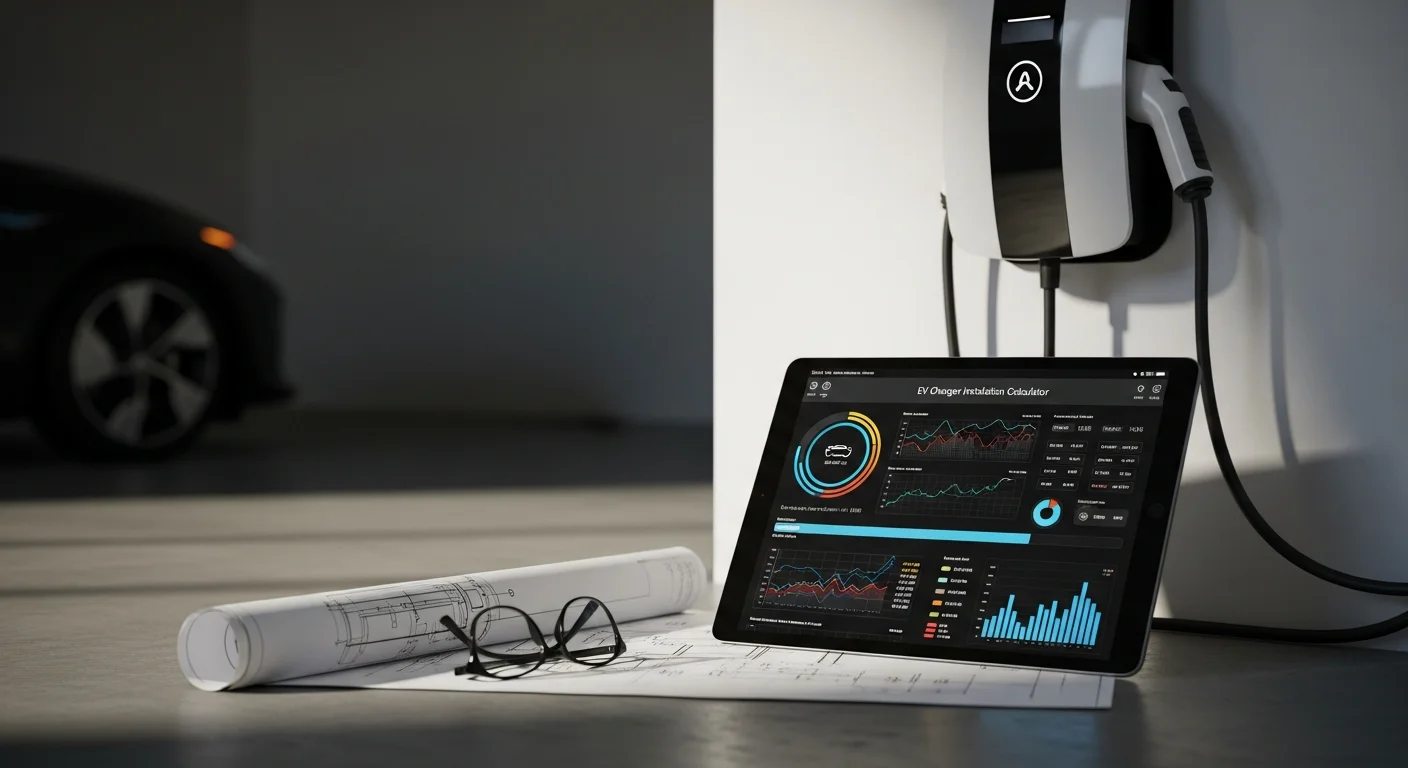
As we move through Winter 2026, the transition to electric mobility has reached a pivotal moment for homeowners. Navigating the logistics of a home unit setup doesn't have to be overwhelming when you have the right data. Choosing the perfect ev charger for your residence requires a balance of understanding hardware specs and anticipating electrical installation needs.
According to the U.S. Department of Energy, over 80% of electric vehicle owners do the majority of their charging at home. This shift not only provides convenience but also creates a need for specialized equipment that can handle modern energy demands safely and efficiently.
Understanding Home Charging Station Price Guide for 2026
EV Charger Installation Calculator
Buy NowHardware and Equipment Expenses
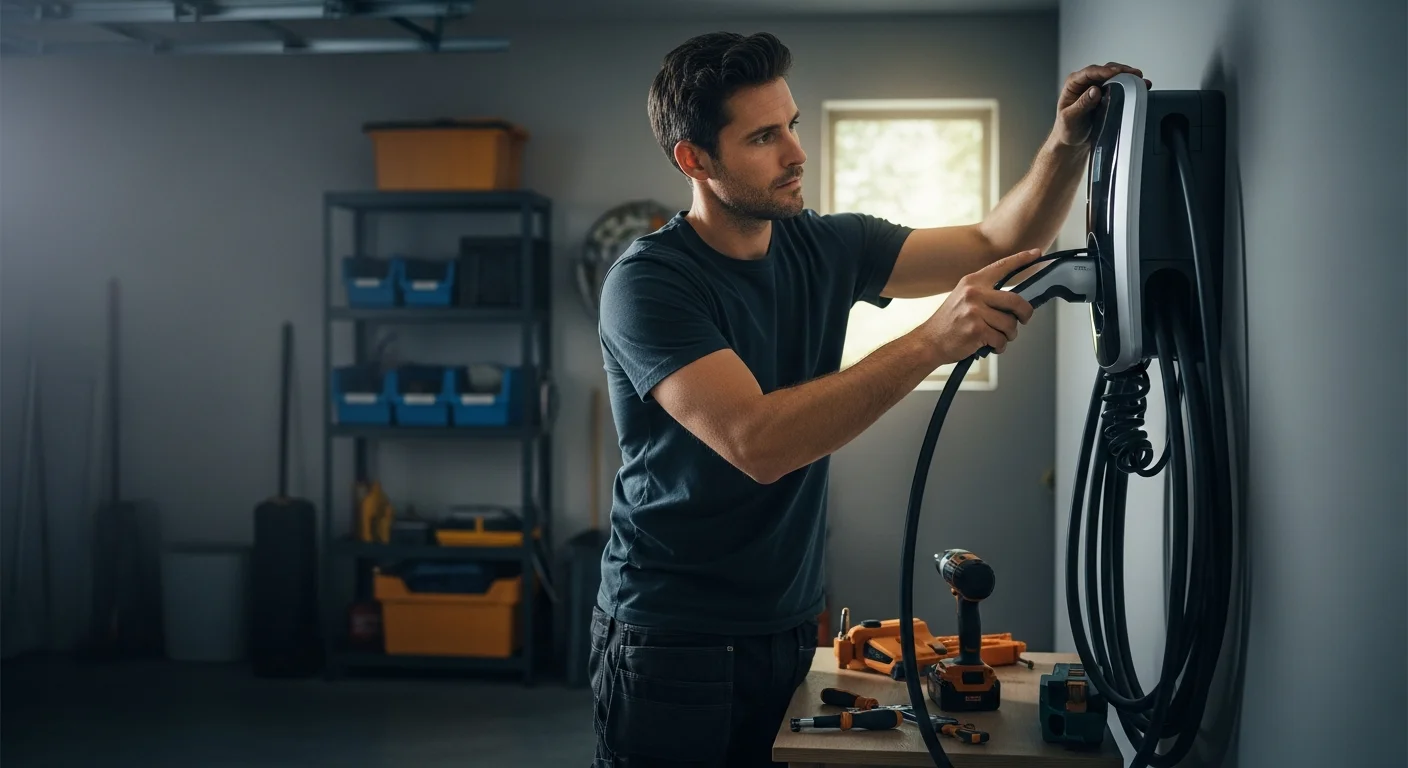
In the current Winter 2026 market, high-quality Level 2 hardware typically ranges from $400 to $900. Prices vary based on amperage output, cable length, and weatherproofing ratings for outdoor installations.
Labor and Permitting Costs
Labor costs depend heavily on the distance between your electrical panel and the installation site. According to data from Wikipedia's charging station analysis, simple installations are affordable, but complex runs can increase the total investment.
Geographic Price Variations
Homeowners in high-demand areas like Orange County may see slight premiums in labor rates. However, these areas often feature the most robust incentive programs to offset the initial outlay.
Residential Charging Station Rebates and Federal Tax Credits
The Federal 30C Tax Credit
The federal government continues to support clean energy through the Alternative Fuel Vehicle Refueling Property Credit. As outlined by the IRS, eligible residents may claim a credit for 30% of the cost of hardware and installation.
Utility Provider Incentives
Many local utilities offer direct rebates for installing ENERGY STAR certified equipment. These programs often require the user to enroll in time-of-use (TOU) programs to help manage the grid during peak hours.
Regional Air Quality Grants
In California, specific air quality management districts provide additional funding for residential projects. This can sometimes lower the net cost of a new system to nearly zero after all incentives are applied.
Ready to see how much you can save on your installation?
Calculate Your Savings Now →Home Electrical Upgrades for EV Charging Preparedness
Panel Capacity Requirements
Most Level 2 chargers require a dedicated 40-amp to 60-amp circuit. If your existing electrical panel is rated for only 100 amps, you may need a service upgrade to ensure the system doesn't trip when other appliances are running.
Circuit Breaker Installation
A dedicated double-pole breaker is necessary to supply the 240 volts required for rapid home charging. Using a high-quality unit ensures long-term reliability and fire safety within your home's infrastructure.
Hardwired vs. Plug-In Options
Hardwiring your station provides a more permanent and often higher-amperage connection. Plug-in models using a NEMA 14-50 outlet offer more flexibility if you plan to move the unit in the future.
Level 2 Charging vs Level 1: Choosing the Right Speed
| Feature | Level 1 (Standard) | Level 2 (High Speed) |
|---|---|---|
| Voltage | 120V | 240V |
| Charging Rate | 3-5 miles per hour | 15-40 miles per hour |
| Full Charge Time | 20-40+ hours | 4-8 hours |
Daily Commute Considerations
If you drive more than 30 miles per day, Level 1 charging will likely fall behind your usage. Upgrading to a 240V system ensures your vehicle is always topped off by morning.
Energy Efficiency Ratings
According to the Environmental Protection Agency, Level 2 stations are often more energy-efficient because they minimize the time the car's internal systems are active during the charge cycle.
Don't overpay for your home electrical upgrades.
Get an Installation Quote →Smart Home Charging Benefits for Modern Homeowners
Wi-Fi Connectivity and Apps
Modern stations in 2026 come equipped with smartphone apps that allow you to monitor energy usage in real-time. This visibility helps you understand exactly how your ev charger impacts your monthly utility budget.
Load Balancing Technology
Advanced units can now communicate with your home's energy management system. This ensures the car receives maximum power without exceeding the total electrical capacity of your household.
Optimizing for Off-Peak Rates
Scheduling your charge for the middle of the night can save hundreds of dollars annually. Many smart units automatically detect the lowest rates from your provider and activate accordingly.
Step-by-Step Professional EV charger Installation Guide
Site Assessment and Quote
The process begins with a licensed electrician inspecting your panel and garage layout. They will determine the most cost-effective path for the conduit and confirm if your service can handle the new load.
Permitting and Approval
Working with local municipalities for permits ensures that your installation meets all safety codes. This documentation is also frequently required when applying for utility rebates later on.
Testing and Final Inspection
Once installed, the system is tested for ground faults and proper voltage delivery. A final inspection by a city official validates the work and provides peace of mind for your insurance provider.
Frequently Asked Questions
How much does a typical Level 2 installation cost?
In Winter 2026, most homeowners spend between $800 and $1,800 for the total project, including equipment and labor. If significant panel upgrades are required, these costs can increase slightly.
Can I install a home charging station myself?
It is strongly recommended to hire a licensed electrician. High-voltage electrical work carries significant risks, and professional installation is usually required to maintain hardware warranties and qualify for rebates.
Do all electric vehicles use the same plug?
By 2026, the industry has largely consolidated around the NACS (North American Charging Standard) and J1772. Most stations are compatible with all major brands or offer simple adapters to ensure a seamless connection.
Are federal tax credits still available for 2026?
Yes, the 30C federal tax credit remains available for eligible residents in designated census tracts. This can significantly reduce the net cost of your residential hardware and professional labor.
How long does the installation take?
Most standard installations can be completed in 4 to 6 hours. However, the lead time for permits and utility inspections can vary from a few days to a couple of weeks depending on your location.
Stop guessing and start saving on your home energy setup.
Use the Rebate Calculator →Investing in a home station is one of the smartest upgrades you can make for your property in 2026. Not only does it increase the daily utility of your vehicle, but it also adds measurable value to your home as more buyers look for EV-ready real estate. By taking advantage of current incentives, you can future-proof your home for a fraction of the sticker price.
Whether you are a new owner or looking to upgrade an existing setup, securing your ev charger through a professional installer ensures safety and efficiency. Use our calculator tools today to find the best path forward for your energy savings journey in Winter 2026.
About the Author

Written by William Corcoran, Orange County Home Savings Expert
William Corcoran has helped Orange County families save money on their homes for over 15 years. Specializing in property tax reduction and smart refinancing, he offers expert guidance you can trust. www.energybot.com www.energystar.gov
Related Articles
Ready to Find Your Savings?
Get a free personalized report showing all rebates and incentives your home qualifies for.
Get My Free Report